Only 37 of 2,674 Adult COVID-19 Orphans Have Received PM CARES Aid
Although 2,674 children orphaned during the COVID-19 pandemic have turned 18, Right to Information disclosures show that only 37 have received promised monthly stipends from the PM CARES for Children scheme, leaving thousands stranded without college fees.
In this piece
Of the 2,674 children orphaned by COVID-19 who have reached adulthood, only 37 have received their promised financial assistance under the PM CARES for Children…
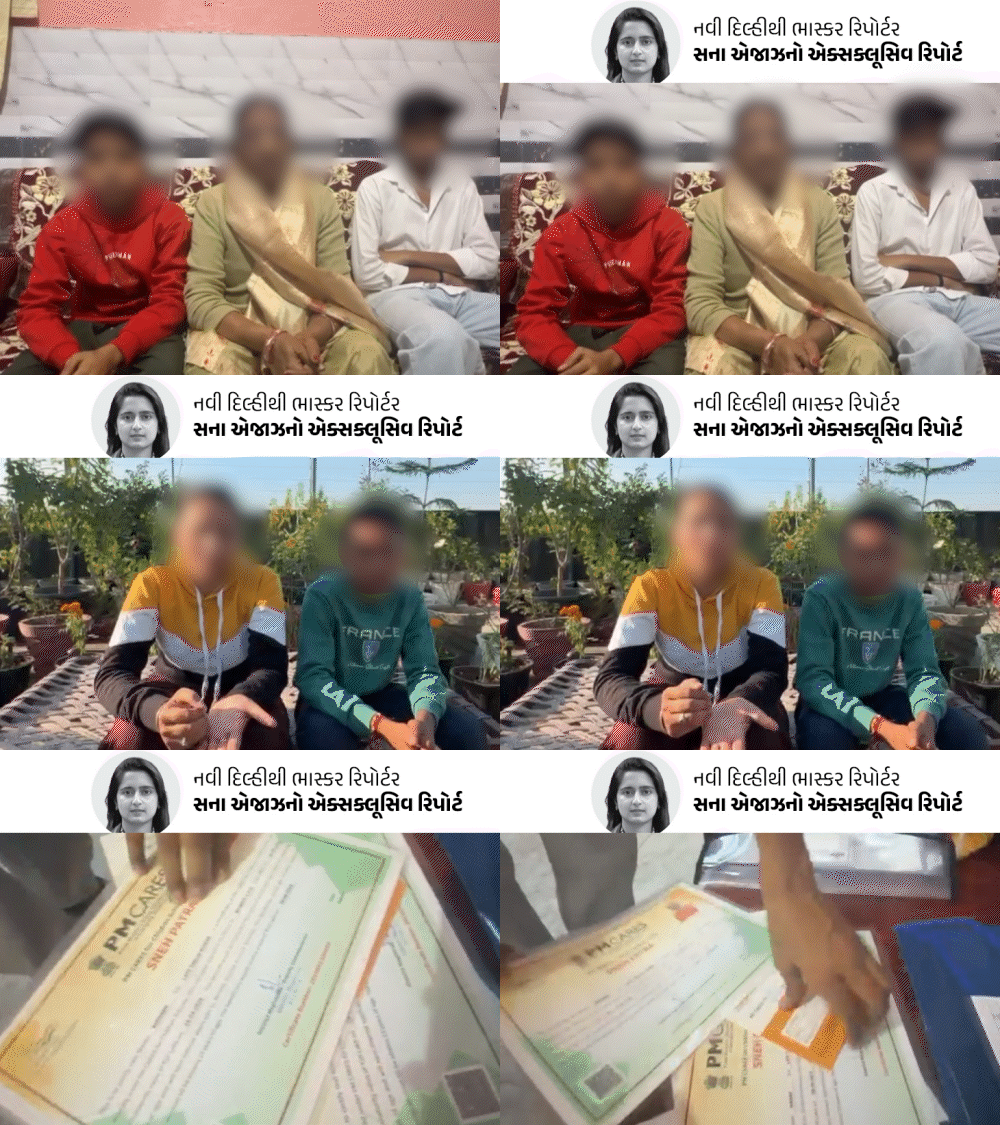
Only 37 of the 2,674 children orphaned during the COVID-19 pandemic who have reached adulthood have received their promised financial assistance under the PM CARES for Children scheme, according to an investigative report based on Right to Information records. Despite turning 18 and aging into eligibility for dedicated monthly stipends to pursue higher education, the vast majority of beneficiaries remain without the critical funds promised by the central government.
The sharp disparity has left thousands of vulnerable young adults facing severe financial distress at a crucial juncture in their academic journeys. Across the country, aspiring students who lost both parents or legal guardians to the virus are struggling to arrange college admission fees, tuition costs, and basic living expenses. As one orphaned student determined to pursue medical studies recently pleaded, the ambition to become a doctor remains strong, but there is simply no money available to pay the required fees.
The PM CARES for Children scheme was launched by the central government in May 2021 to provide comprehensive protection and financial security for minors who lost both parents, surviving parents, legal guardians, or adoptive parents to COVID-19. Designed as a safety net during unprecedented national heartbreak, the initiative pledged complete welfare coverage, ranging from free schooling and medical insurance to long-term economic rehabilitation.
Under the program's official framework, the central government created an individual corpus fund for each identified orphan, structured to accumulate to 10 lakh rupees by the time the child turned 18. Upon attaining the age of majority, the corpus was intended to be invested in monthly income schemes to yield a steady monthly stipend between the ages of 18 and 23. Once a beneficiary reaches 23 years of age, the entire lump-sum corpus of 10 lakh rupees is slated to be handed over directly to ensure self-sufficiency.
In addition to the stipend, the scheme promised institutional backing to cover the costs of professional degrees and higher education. Beneficiaries were guaranteed assistance in obtaining educational loans, with the interest during the course period to be borne entirely by the PM CARES Fund. The central initiative also provided beneficiaries with free health insurance coverage of up to 5 lakh rupees under the Ayushman Bharat Pradhan Mantri Jan Arogya Yojana until they turned 23.
However, the disclosures obtained through official records reveal a severe implementation bottleneck between administrative promises and actual fund disbursement. While over two thousand six hundred orphaned youths have crossed the age threshold of 18 and entered adulthood, administrative delays, documentation hurdles, and banking verification procedures have stalled the activation of their stipends. With only 37 beneficiaries actually receiving their payments, over 98 percent of eligible young adults are currently locked out of the scheme's core post-18 financial lifeline.
The absence of timely stipends is proving particularly devastating because the age of 18 represents the sudden end of basic child welfare support mechanisms. While staying with relatives or in childcare institutions, many orphans had received modest monthly sustenance stipends under initiatives like Mission Vatsalya. Upon turning 18, these transition-age youths suddenly lose institutional support just as competitive exam fees, college entrance expenses, and independent living costs surge.
Child welfare advocates and social workers point out that the administrative friction mirrors broader challenges seen in post-pandemic rehabilitation efforts. While initial identification drives registered thousands of qualifying orphans on the central portal, translating registry entries into active post office deposit accounts and recurring monthly payouts has faced significant bureaucratic inertia. Without dedicated case workers to guide orphans through banking formalities, many struggle to navigate complex paperwork entirely on their own.
The revelation of the massive backlog has amplified calls for the Ministry of Women and Child Development and state administrations to expedite the processing of pending applications. Child rights organizations are urging authorities to establish fast-track resolution cells at the district magistrate level to clear operational bottlenecks and coordinate directly with postal authorities. For the thousands of young adults who endured profound loss during the pandemic, timely intervention remains urgent if they are to fulfill their academic ambitions and build independent lives.
Primary source: Divya Bhaskar Original. Newzly rewrites and structures source reporting for clarity; verify critical details at the original.