world·Chhattisgarh·Bilaspur District
Inmate Deaths and Physical Restraint Uncovered at Chhattisgarh Shelter Homes
Inspection reports submitted to the Chhattisgarh High Court revealed severe neglect, missing medical records, and physical abuse, including an inmate tied to a bed and five deaths at state-funded shelter homes.
In this piece
Court-appointed commissioners in Chhattisgarh have uncovered widespread neglect and rights violations across state-funded shelter homes for persons with…
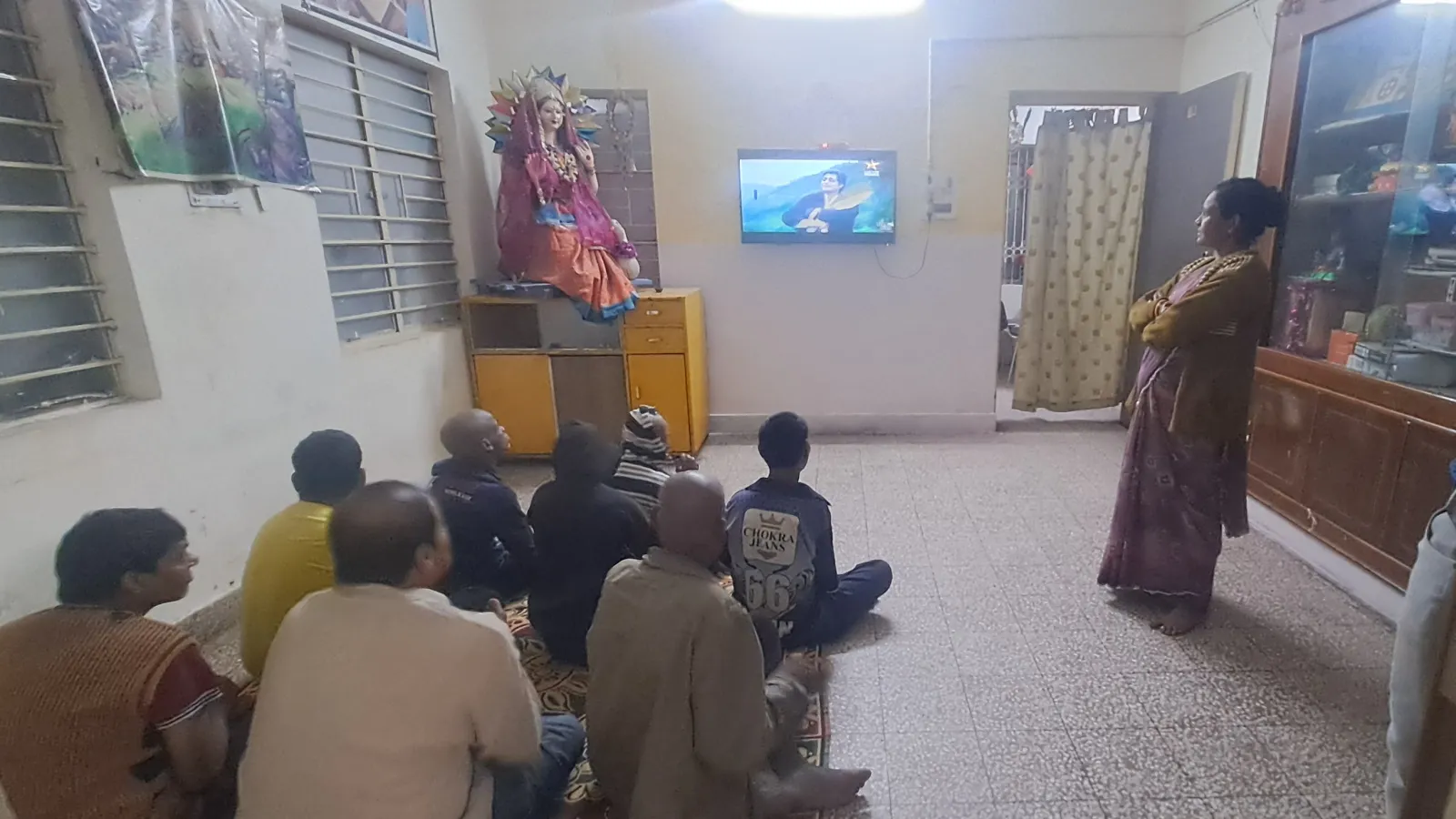
Court-appointed commissioners in Chhattisgarh have submitted inspection reports detailing alarming neglect, institutional apathy, and severe human rights violations across state-funded shelter homes for persons with disabilities. The findings, presented before the Chhattisgarh High Court, documented multiple unexplained inmate deaths, including that of a young boy, alongside disturbing instances of physical restraint.
During a surprise inspection of a facility located in Bilaspur, commissioners discovered an inmate tied by his wrists to the bed frame using strips of cloth. When questioned, shelter staff reportedly justified the restraint by claiming the individual was hyperactive, exposing a profound lack of professional psychiatric intervention and standard behavioral protocols.
The inspection findings also brought to light that five inmates, including a child, had died over the course of a single year at a designated women's shelter home in the state. Investigators discovered that post-mortem examinations and corresponding medical records were missing for several of the deceased, prompting grave concerns regarding transparency and legal compliance.
The judicial inquiry examined eleven Gharaunda shelter homes operating across Chhattisgarh, which collectively house more than three hundred residents with intellectual and physical disabilities. Established under a 2015 Central government initiative to provide lifelong residential care, these centers are financed through public funds but delegated to non-governmental organizations for daily management.
Operational norms mandate that qualified physicians conduct health examinations at each facility twice weekly, yet visitor registers revealed that doctors appeared only once or twice a month. The systemic failure to provide basic healthcare left hundreds of residents vulnerable to untreated illnesses, with specialized psychiatric care remaining almost entirely absent throughout the centers.
Court commissioners noted that none of the inspected homes possessed documented round-the-clock nursing staff or trained paramedical caregivers on site. Furthermore, incident logs and protocols for medical emergencies were either severely deficient or completely unmaintained, leaving shelter personnel unable to respond appropriately during acute health crises.
Living conditions inside the residential quarters were characterized as grim and hazardous, marked by deteriorating sanitation and unhygienic toilets. Commissioners also found that residents received inadequate and substandard meals, while caretakers lacked the specialized communication skills necessary to understand the primary physical and psychological needs of the individuals in their charge.
Legal observers and welfare advocates point out that these revelations highlight a complete breakdown in the regulatory monitoring mechanisms governing subsidized residential institutions. The reliance on private operators without stringent oversight and regular social audits has repeatedly placed marginalized populations at risk of prolonged institutional abuse.
The High Court of Chhattisgarh expressed serious concern over the commissioners' submissions and ordered state authorities to address the systemic breakdowns uncovered by the inquiry. As proceedings move forward, the court is expected to push for administrative accountability, rigorous auditing of care providers, and structural reforms to safeguard the constitutional rights and dignity of all residents.
Primary source: Google News Chhattisgarh. Newzly rewrites and structures source reporting for clarity; verify critical details at the original.