‘Overnight, Everything Was Dead’: The Fisherman Battling Toxic Seas and Official Silence
Five years after a catastrophic crustacean die-off crippled north-east England’s coastal fisheries, veteran fisherman Stan Rennie is leading an unrelenting campaign against official cover-ups and marine pollution.
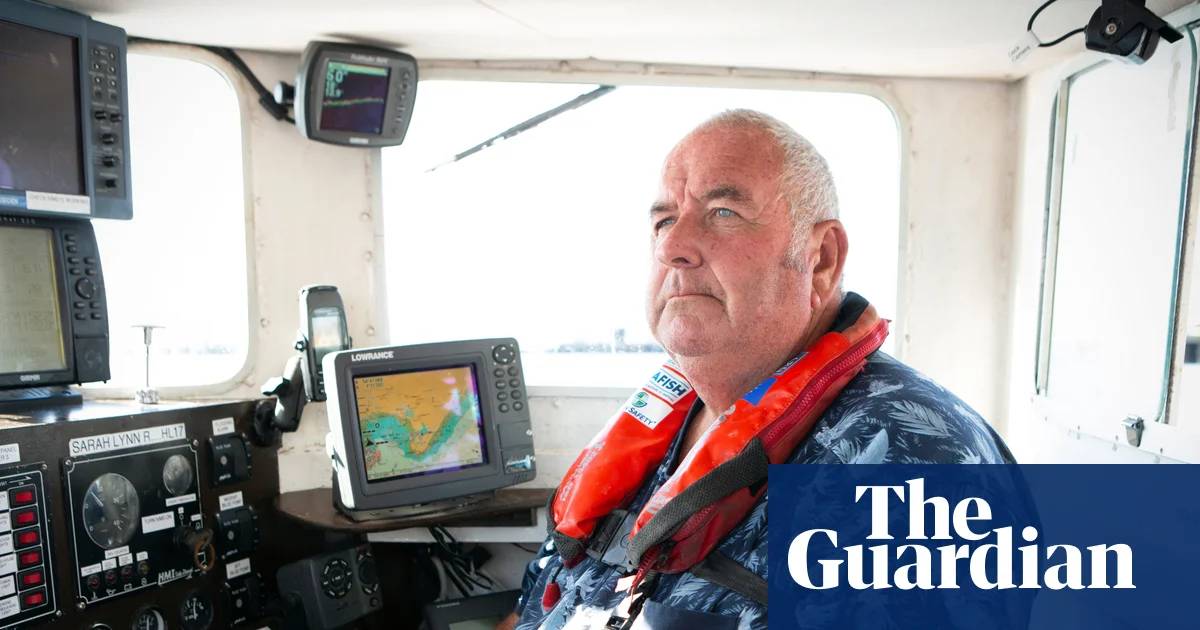
A veteran commercial fisherman from Hartlepool has emerged at the center of a prolonged campaign over devastating marine die-offs along England's north-east coast. Stan Rennie, who has fished the North Sea for nearly five decades, was dubbed the "Mr Bates of the seas" after mobilizing coastal communities against official explanations for the catastrophe. His grassroots fight is now the subject of a major documentary charting the aftermath of the environmental collapse.
The crisis began on September 25, 2021, when thousands of dead and dying crustaceans suddenly blanketed beaches stretching across Yorkshire and Teesside. Early morning swimmers and dog walkers encountered miles of shore covered in twitching, moribund crabs and lobsters. The unprecedented event marked the first in a series of severe die-offs that decimated sea life along the extended coastline.
In the weeks and months that followed, the destruction rippled throughout the marine ecosystem, wiping out vital native fauna and even washing seal pups ashore. Local skippers reported cataclysmic declines in their daily hauls, with crab and lobster catches plummeting by as much as eighty percent. Generational fishing families operating out of ports like Hartlepool and Redcar suddenly faced immediate financial ruination.
Government authorities, led by the Department for Environment, Food and Rural Affairs, eventually attributed the initial mass mortalities to a naturally occurring algal bloom. Local fishermen rejected those findings, arguing that the sudden and localized devastation pointed to toxic industrial contaminants. They raised alarms over dredging operations near the River Tees, where historic sediments were disturbed during major redevelopment work.
Refusing to accept the state's conclusions, Rennie helped establish the North East Fishing Collective to unite independent skippers and coastal residents. The coalition crowdfunded its own scientific research, commissioning university academics to analyze tissue samples and seabed chemistry. Their independent testing identified elevated levels of pyridine and other industrial compounds, sparking intense public debate over marine oversight.
The campaign rapidly transformed from a localized grievance into an unyielding challenge against corporate and governmental opacity. Activists accused authorities of prioritizing regional industrial developments, including the Teesworks project, over the protection of coastal waters and heritage industries. Despite ongoing pushback and official denials, Rennie and fellow campaigners continued pressing for public inquiries and comprehensive monitoring.
The protracted struggle is brought to broader audiences in the documentary feature "All Rivers Spill Their Stories to the Sea," directed by Teesside-born filmmaker Jeanie Finlay. The film chronicles Rennie’s tireless work and captures the emotional toll on a working-class community fighting for its heritage. By framing the battle around local resilience, the project draws comparisons to high-profile British miscarriages of justice where ordinary citizens confronted institutional indifference.
Five years after the initial wash-ups, the economic wounds across Teesside and North Yorkshire remain painfully visible. Many inshore fishing crews have been forced to sell vessels or seek work outside the maritime trade as stocks have failed to recover fully. For those remaining on the water, soaring operational costs and depleted grounds have turned daily survival into a relentless struggle.
The campaign spearheaded by Rennie and the North East Fishing Collective continues to demand systemic regulatory reform and legal accountability. Campaigners argue that safeguarding Britain's inshore waters requires full transparency surrounding industrial dredging and toxic discharges. As the documentary reaches wider audiences, coastal advocates hope heightened national scrutiny will finally compel authorities to address the true cost borne by their community.
Primary source: The Guardian Business. Newzly rewrites and structures source reporting for clarity; verify critical details at the original.