world·Delhi·New Delhi District
Pakistani Minister Evades Queries on Indus Treaty Threats During Delhi Visit
Pakistan's climate minister avoided questions in New Delhi regarding past threats over the Indus Waters Treaty, insisting bilateral talks require a formal invitation from India as regional tensions persist.
In this piece
Attending an SCO cultural forum in New Delhi, Pakistani Minister Musadik Masood Malik sidestepped questions about his past threats over the Indus Waters Treaty.…
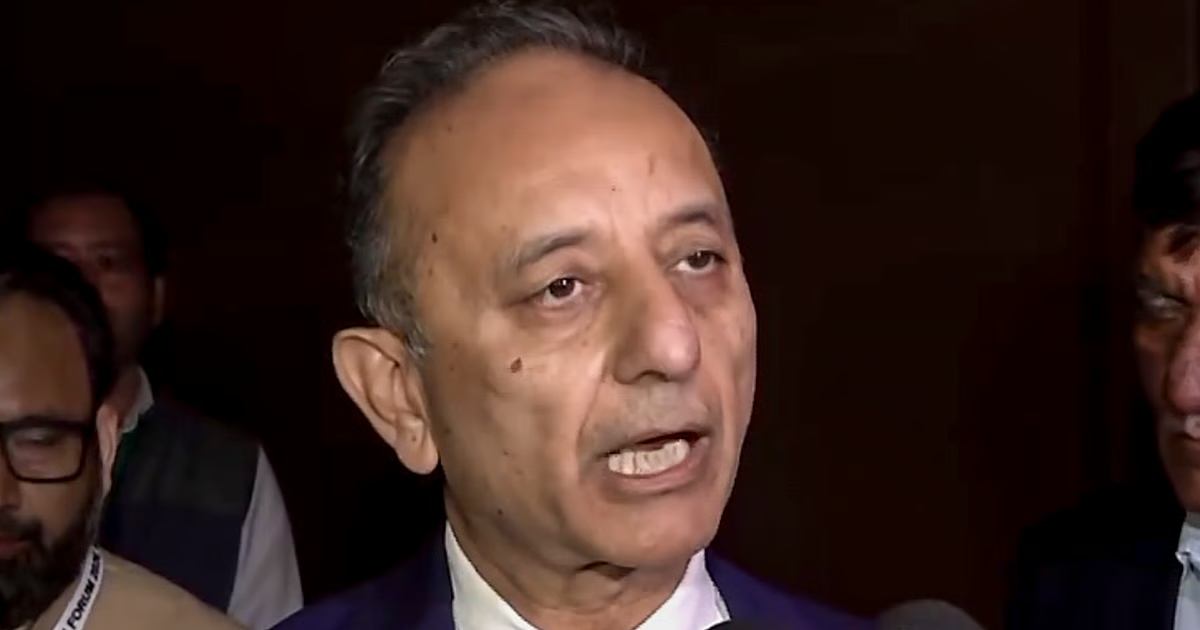
Pakistan's Climate Change Minister Musadik Masood Malik sidestepped questions regarding his past bellicose remarks over the Indus Waters Treaty during a visit to New Delhi, stating that bilateral discussions on the river-sharing agreement would require a formal invitation from India. Speaking on the sidelines of a multilateral conference, Malik deflected queries concerning his previous warning that Islamabad would sever the hands of anyone attempting to disrupt its water supplies. He insisted that he was present solely for the regional gathering and had not been invited to engage in bilateral negotiations on the long-standing water accord.
Malik is leading the Pakistani delegation at the Shanghai Cooperation Organisation Civilisational Dialogue Forum hosted in the Indian capital. The gathering marks a rare ministerial journey by a Pakistani official to India amid protracted diplomatic friction between the two nuclear-armed neighbours. While the forum was convened to discuss cultural heritage and regional dialogue, Malik's presence immediately drew intense scrutiny regarding bilateral disputes.
The controversy stems from remarks Malik delivered earlier this year following India's decision to put the 1960 Indus Waters Treaty in abeyance. In June, the minister had publicly declared that Pakistan would cut off any hand raised to seize its rightful share of river water. When confronted by journalists in New Delhi about that statement, Malik refused to address the threat directly, telling reporters that water diplomacy was not on the table without an explicit bilateral summons.
New Delhi has maintained a firm diplomatic posture regarding the river pact, having notified Islamabad of its decision to suspend operations under the treaty until cross-border terrorism is halted. Indian officials have reiterated that their position remains entirely unchanged despite the multilateral presence of Pakistani delegates in the capital. The Ministry of External Affairs emphasized that the SCO event is strictly a multilateral mechanism and does not provide an avenue for side talks on contentious bilateral matters.
During his interactions in Delhi, Malik also addressed broader security questions, suggesting that India and Pakistan need to engage in evidence-based discussions regarding terrorism. The minister asserted that both nations should present verifiable facts to each other rather than relying on unilateral accusations. However, Indian authorities have long held that substantive dialogue cannot occur alongside state-backed terror infrastructure operating from across the border.
The multilateral meetings concluded with the SCO forum adopting an outcome document emphasizing the preservation of cultural heritage and respect for mutual civilisational bonds. Member states called for safeguarding sacred sites, promoting cultural tourism, and honouring places of pilgrimage across the Eurasian bloc. Indian hosts sought to keep the focus squarely on civilisational diplomacy, steering discussions away from political rancour.
The exchange highlights the severe strain on the Indus Waters Treaty, which has survived multiple wars and diplomatic crises since its signing in 1960 through World Bank mediation. As climate change worsens water scarcity across South Asia, river management has become an increasingly volatile flashpoint between India and Pakistan. New Delhi's move to suspend the treaty's operational mechanisms marks one of the most critical challenges to the water architecture in more than six decades.
Malik's cautious evasions reflect the delicate balancing act Pakistani officials face when attending international events on Indian soil. While domestic political pressures in Islamabad often demand aggressive rhetoric regarding water rights and sovereignty, diplomatic decorum at multilateral summits limits open hostility. Observers note that by conditioning water dialogue on an Indian invitation, the minister sought to shift the onus of diplomatic re-engagement back onto New Delhi.
Prospects for a thaw in bilateral relations or a formal resumption of the Indus Waters Treaty dialogue appear remote in the near term. With Indian leadership insisting that cross-border terrorism remains the insurmountable barrier to bilateral engagement, uncoordinated ministerial visits under the SCO banner are unlikely to alter the impasse. Unless formal diplomatic channels are restored with reciprocal confidence-building measures, the historic water treaty is expected to remain frozen in diplomatic limbo.
Primary source: Google News India. Newzly rewrites and structures source reporting for clarity; verify critical details at the original.