Pakistani minister invokes Humayun and Sher Shah at Delhi SCO forum
At the SCO Civilisational Forum in Delhi, a Pakistani minister framed Purana Qila as one fort shaped by two rival rulers, as the meeting cast culture as a bridge.
In this piece
Indian outlets reported that a Pakistani minister, speaking at the SCO Civilisational Forum in Delhi, invoked Humayun and Sher Shah through Purana Qila. The…
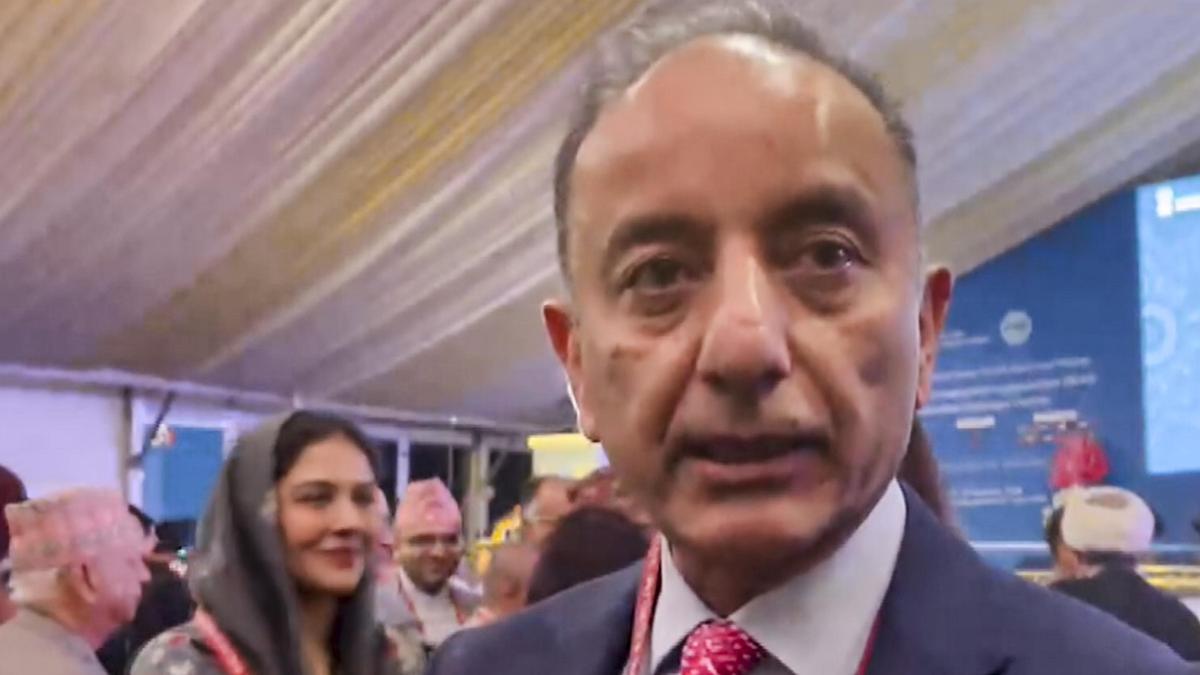
A Pakistani minister speaking at the Shanghai Cooperation Organisation Civilisational Forum in Delhi invoked the 16th-century rulers Humayun and Sher Shah in remarks that Indian news outlets headlined around Purana Qila. The Hindu framed the intervention as “two rulers, one fort,” while NDTV reported the line as “Purana Qila a story of one wall, two rivals.”
The comments were delivered at a multilateral gathering in the Indian capital focused on civilisational exchange. Coverage placed the minister’s historical allusion inside a wider SCO meeting rather than a bilateral India-Pakistan session. The news cluster identifies him only as a Pakistani minister and does not, in the headlines available here, give a full transcript of the speech.
Humayun, the second Mughal emperor, and Sher Shah Suri, the Afghan ruler who held power in northern India for a period after displacing him, are long associated in historical accounts with Delhi’s Purana Qila, also known as the Old Fort. The headlines indicate the minister used that shared monument to illustrate two rivals linked to a single wall. Reports summarised in this cluster do not establish the precise wording beyond those headline formulations.
The forum’s formal business extended past the historical reference. The Hindu reported that the SCO civilisational forum adopted an outcome document recognising culture as a vital bridge. That formulation, as described in the headline, treats cultural ties as a channel among member states rather than as a settlement of political disputes.
Telegraph India reported that the Delhi meeting called for joint UNESCO bids and for action against trafficking in cultural heritage. Those points, as captured in the headline, put cooperative heritage nominations and the protection of artefacts on the agenda alongside symbolic references to shared sites. The cluster does not reproduce the text of any resolution or list which delegations endorsed it.
The setting gives the remarks a political edge. A Pakistani minister addressed an audience in Delhi on a monument that sits in the Indian capital and on rulers claimed by a wider South Asian past. Indian coverage presented the Purana Qila reference as a story of rivalry contained in one site. The available headlines do not record whether Indian officials replied in the room.
A separate Times of India headline said the Pakistani minister dodged a question about a “cut off hands” threat and stated that he had not been invited to discuss the Indus. That item sits beside the cultural-forum coverage and shows reporters also pressed him on bilateral flashpoints outside the civilisational agenda. The headline does not identify who made the threat or set out the full exchange.
The Shanghai Cooperation Organisation brings together India, Pakistan, China, Russia and Central Asian states, among others. A civilisational forum is a softer track than security or trade talks, and the reported outcome language — culture as a bridge — is the kind of consensus phrasing such meetings often produce. Nothing in the headlines details attendance, dates beyond the news cycle, or whether the document creates binding steps.
Readers should treat the public record here as headline-level. The source material does not name the minister, quote him at length, or supply figures, a venue beyond Delhi, or the wording of the outcome document. Those particulars belong to the underlying reports from The Hindu, NDTV, Telegraph India and The Times of India.
What follows, on the evidence of the headlines, is diplomatic and cultural rather than immediate. Joint UNESCO nominations and action against heritage trafficking would sit with culture ministries and UNESCO processes. Whether the Purana Qila remarks travel further in India-Pakistan commentary will depend on how the speech is published in full. For now, the cluster’s through-line is one fort, two historical rulers, and a forum that cast culture as a bridge.
Primary source: Google News India. Newzly rewrites and structures source reporting for clarity; verify critical details at the original.