Pediatric Nutrition Guide Outlines Essential Diet and Growth Milestones for Toddlers
Health experts have outlined essential nutritional guidelines for children aged one to five, advising parents to avoid added sugar and salt in the first two years while emphasizing nutrient-dense, home-cooked whole foods.
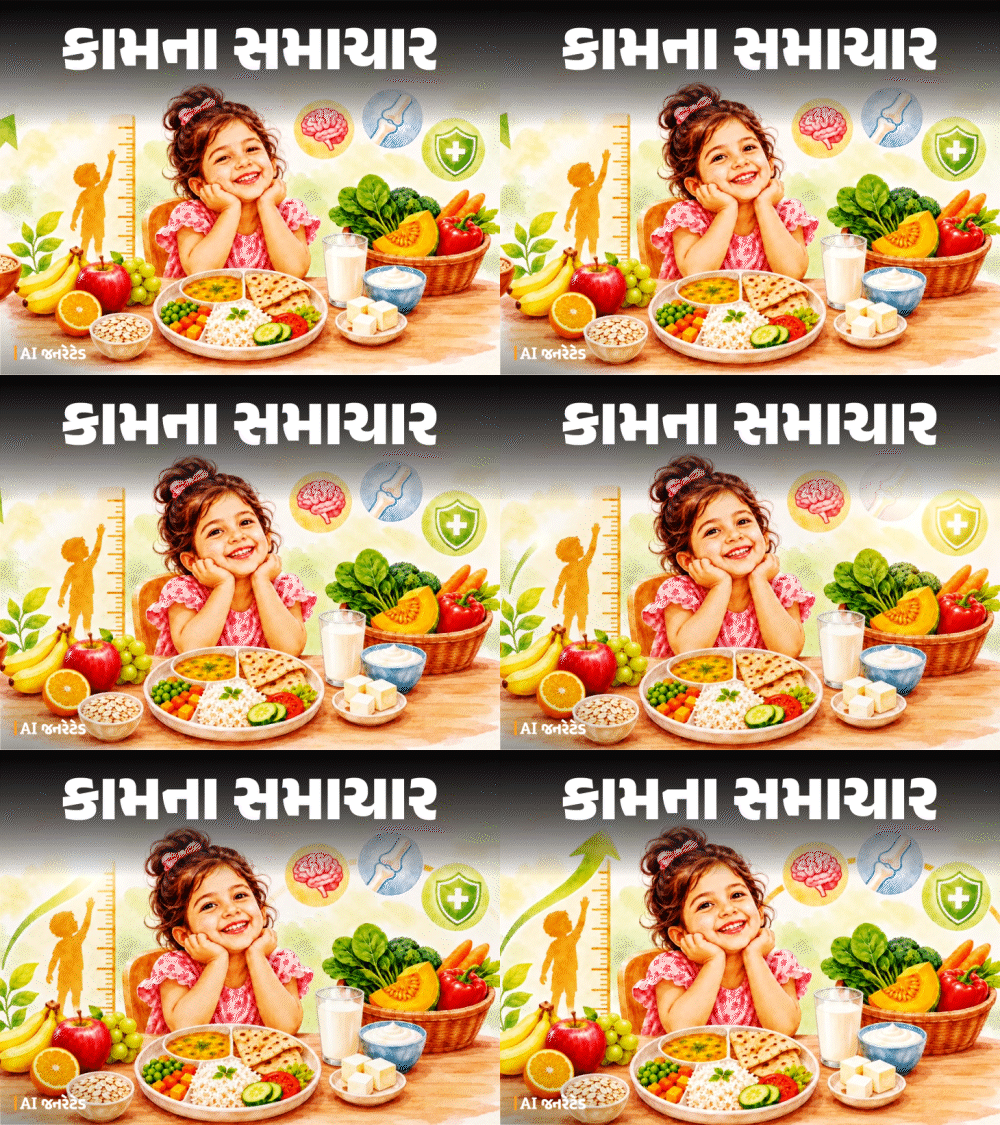
In this piece
A new pediatric nutrition advisory details practical dietary frameworks and growth benchmarks for children aged one to five. Specialists urge families to…
Pediatric specialists have issued practical nutritional guidelines for children between one and five years of age, emphasizing the critical role of balanced home-cooked meals during early childhood development. The advisory highlights that toddlers transitioning from infant feeding to regular family diets require targeted nutrient density rather than adult-sized portions. Medical experts also underscored a strict recommendation to avoid adding salt and refined sugar to meals before a child reaches two years of age.
The first few years of life represent a foundational window where dietary habits, taste preferences, and metabolic trajectories are established. Pediatricians explain that infants and toddlers have immature renal systems that cannot efficiently process elevated sodium loads. Furthermore, introducing refined sugars early in life can distort taste preferences, heighten the risk of dental caries, and increase susceptibility to childhood obesity and long-term metabolic complications.
Evaluating whether a child is developing normally requires consistent tracking of physical and developmental milestones rather than casual visual comparison. Doctors emphasize that regular pediatric checkups should measure weight gain, height velocity, and head circumference against established standardized growth charts. In addition to physical measurements, parents are advised to observe active play, motor coordination, and alertness as key indicators of adequate overall nourishment.
To meet the intensive energy demands of active toddlers, the clinical guidance recommends a steady foundation of complex carbohydrates. Soft whole-wheat flatbreads, steamed rice, and wholesome preparations such as khichdi made with mild lentils provide digestible sustenance. Coarse grains, oats, and broken wheat porridge cooked into easily chewable textures offer prolonged energy release without irritating sensitive digestive tracts.
Adequate dietary protein serves as the essential building block for rapid cellular growth, muscle building, and tissue repair throughout the preschool years. Nutrition experts recommend incorporating diverse pulses, lentil broths, and gently seasoned sprouted legumes into daily routines. For households that include dairy and poultry, soft cottage cheese, fresh curd, and boiled eggs provide high-quality complete proteins that support immune function and physical vigor.
Bone elongation and skeletal density require sufficient daily intake of bioavailable calcium and complementary micronutrients. The guidelines encourage parents to offer one to two small glasses of warm milk daily, alongside calcium-dense fermented dairy products like buttermilk and yogurt. Incorporating pureed green leafy vegetables such as spinach, alongside carrots and squashes, ensures adequate supplies of iron, vitamin A, and antioxidants vital for blood formation and vision.
Brain development occurs at an unprecedented rate during the first five years, necessitating the inclusion of wholesome dietary fats. Health professionals advise incorporating moderate amounts of clarified butter, known as ghee, into warm porridges, rice, and vegetable purees. These healthy lipids supply concentrated calories essential for developing neurological pathways and facilitate the absorption of fat-soluble vitamins, including vitamins A, D, and E.
Because young children possess limited stomach capacities, expecting them to consume large portions at conventional meal times often leads to mealtime friction. Specialists recommend offering five to six smaller, nutrient-dense meals and healthy snacks spaced throughout the day instead of forcing large servings. Fresh fruit slices, mashed bananas, and soft finger foods allow children to explore textures safely while meeting their daily caloric requirements.
The advisory specifically cautions against relying on commercially packaged snacks, refined flour products, and sugary beverages. Ultra-processed foods, including mass-market biscuits and packaged confectionery, frequently contain excessive preservatives, artificial additives, and hidden sodium that displace wholesome nutrients. Health practitioners also advise against unverified commercial growth supplements and height-enhancing powders, urging parents to rely on balanced real food instead.
Moving forward, pediatric experts emphasize that establishing a calm, positive mealtime environment is just as vital as the food placed on the plate. Parents who notice persistent feeding reluctance, unexpected weight loss, or developmental delays should seek timely evaluation from certified pediatricians or clinical nutritionists. Customized medical assessment ensures that any underlying food intolerances or nutritional deficiencies are diagnosed and managed effectively without unnecessary dietary restriction.
Primary source: Divya Bhaskar Lifestyle. Newzly rewrites and structures source reporting for clarity; verify critical details at the original.