Post-Retirement Adjustment Challenges Couples as Spouses Seek Personal Space
As retirement reshapes domestic routines across urban households, relationship counselors are addressing growing friction between long-married couples struggling to balance newfound domestic togetherness with personal autonomy and independent routines.
In this piece
The transition into retirement often strains marital dynamics when sudden lifestyle shifts disrupt established routines and personal boundaries. Family…
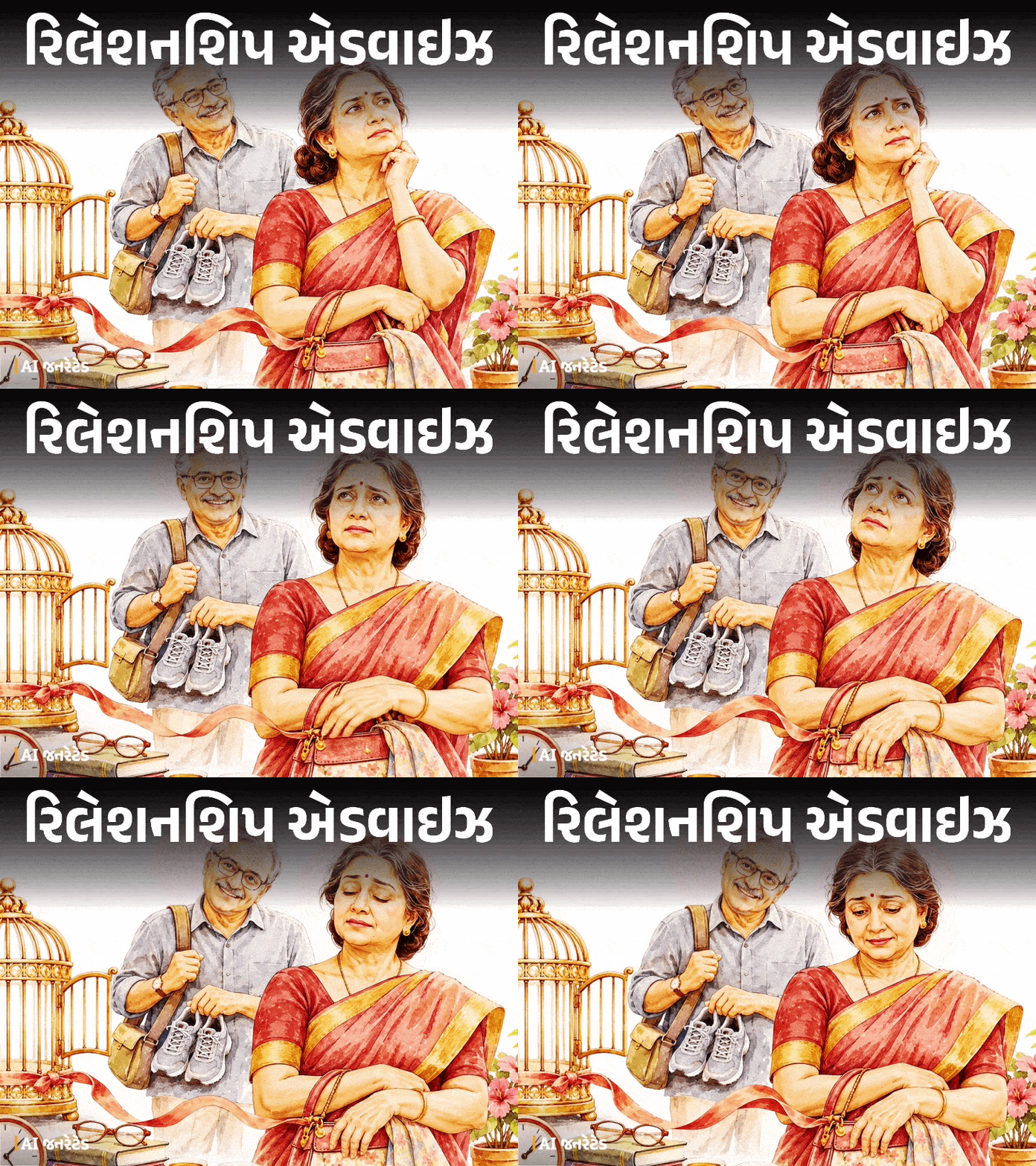
A personal dilemma shared through Divya Bhaskar's lifestyle forum has brought renewed focus to a familiar yet underdiscussed domestic issue: the strain on personal boundaries when a spouse transitions into retirement. In the published query, a woman described feeling that her independence had dissolved after her husband left the workforce, noting that her long-standing habits of visiting local markets and meeting friends were abruptly curtailed because he now wishes to spend every waking moment together.
The situation illustrates a profound shift in household dynamics that frequently catches long-married couples unprepared. For decades, many marriages function on structured routines dictated by standard working hours, allowing homemakers or self-directed partners to cultivate their own daily cadences, private friendships, and personal space.
When formal employment ceases, the sudden removal of professional schedules often leaves the retired partner without an external social anchor or a structured sense of purpose. In many instances, the newly retired spouse inadvertently redirects their entire need for social interaction, companionship, and daily activity toward their partner at home.
Family counselors note that while the retired partner may view constant togetherness as affectionate and supportive, the receiving spouse often experiences it as an overbearing presence. What appears to one partner as natural companionship can feel to the other like unwarranted supervision, micro-management of daily tasks, and a sharp loss of personal autonomy.
The phenomenon, widely studied in family psychology and counseling circles, reflects the complex emotional adjustments required during life after work. In urban households where personal space can already be constrained, the sudden, constant presence of both partners at home all day often brings suppressed irritations and divergent coping mechanisms to the surface.
Mental health specialists point out that the working partner is not the only one undergoing a major life transformation. The retiree frequently faces an unvoiced identity crisis, grappling with boredom, reduced self-worth, and anxiety about aging, which can manifest as clinginess or reluctance to engage in solitary activities outside the home.
To resolve these tensions constructively, relationship therapists advise couples to engage in open and compassionate dialogue rather than allowing resentment to accumulate. Experts recommend explicitly articulating the continued need for personal space, clarifying that wanting independent time to pursue personal interests or see friends does not signify a decline in affection or care.
Guidance professionals also stress the importance of retirees cultivating their own independent routines and external networks. Rekindling dormant hobbies, joining community organizations, pursuing volunteer opportunities, or engaging with peer recreation groups can provide retirees with an authentic sense of accomplishment away from the domestic sphere.
Simultaneously, counselors recommend establishing deliberate boundaries that delineate shared couple time from independent solitary time throughout the week. By scheduling specific activities together, such as evening walks or joint weekend plans, couples can foster meaningful intimacy without suffocating each other’s everyday independence.
As life expectancies increase and post-work life extends over multiple decades, relationship experts emphasize that renegotiating marital contracts after retirement is becoming an indispensable life skill. Developing mutual respect for individual freedom alongside shared companionship will remain central to ensuring that the post-career years foster mutual fulfillment rather than marital discord.
Primary source: Divya Bhaskar Lifestyle. Newzly rewrites and structures source reporting for clarity; verify critical details at the original.