‘Pixels and Pencils’ Filmmakers Defend Human Creativity Amid AI Debate
Animation filmmakers at Variety’s Savannah panel discussed concerns about artificial intelligence alongside the demands of their craft, placing human creativity at the center of the conversation about storytelling.
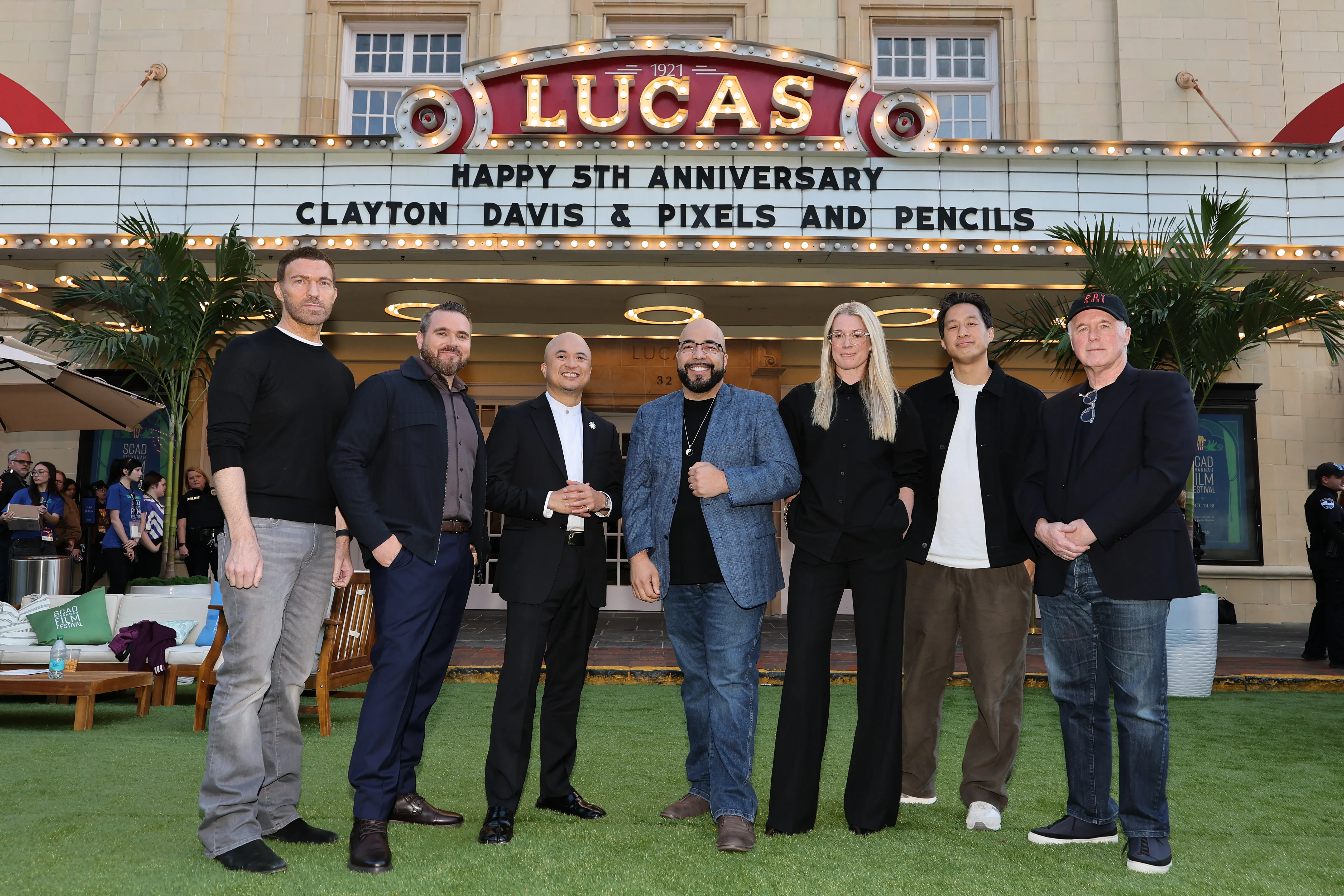
Animation filmmakers discussed the dangers of artificial intelligence and the importance of human creativity at Variety’s “Pixels and Pencils” panel in Savannah, Georgia, on Monday, according to the publication. The conversation brought questions about animation’s future alongside the demanding work involved in making animated films.
Variety’s introductory account describes reluctance among animators to bring AI into their storytelling. That framing places creative authorship, rather than technological capability alone, at the heart of the discussion. It does not establish a position shared by every filmmaker or the animation industry as a whole.
The panel also examined animation processes, connecting the debate about new technology with the practical demands of filmmaking. The available excerpt does not detail individual production experiences or identify particular tasks that speakers considered suitable for automation. It therefore leaves the filmmakers’ specific boundaries around AI unclear.
The event sits within a broader showcase for animated filmmaking. The Savannah College of Art and Design’s official announcement describes the 2026 edition of “Pixels and Pencils” as its fifth annual panel, presented with Variety and spotlighting directors behind five animated features.
That announcement names Brad Bird for “Ray Gunn,” Daniel Chong for “Hoppers,” Joel Crawford and Januel P. Mercado for “Forgotten Island,” Travis Knight for “Wildwood,” and Leah Nelson for “Tangles.” These are the announced participants; the accessible excerpt of Variety’s panel report does not attribute an individual AI position to any of them.
SCAD’s festival programming describes the series as a showcase for different artistic approaches and animation styles, culminating in a directors’ roundtable. That setting gives the discussion a creative context beyond the adoption of any single tool. The question is not simply what technology can produce, but how filmmakers want to shape their work.
The distinction matters when interpreting resistance to AI. Concerns about its role in storytelling should not automatically be read as opposition to every digital production technique. The source excerpt does not specify which AI applications were discussed, so a more detailed account of the speakers’ objections cannot be established from it.
The emphasis on human creativity nevertheless provides a clear thread through Variety’s framing of the event. Its headline connects warnings about AI with demanding animation processes, presenting artistic work and technological change as intertwined subjects. The available material does not support claims about particular job losses, production savings or studio policies.
For now, the reported takeaway is a defense of human involvement in animated storytelling, rather than an announced industry agreement or a new production rule. As the debate develops, the distinction between tools that assist filmmakers and systems that take over creative decisions will remain an important question. The supplied account offers a snapshot of that discussion, not a settled answer about animation’s future.
Primary source: Variety. Newzly rewrites and structures source reporting for clarity; verify critical details at the original.