world·Punjab·Kapurthala District
Punjab's Kanjli Wetland Chokes on Sewage as State Pushes Rs 20-Cr Tourism Plan
More than two decades after gaining Ramsar recognition, Punjab's Kanjli wetland is overrun by sewage and weed infestations, while critics fault a multi-crore tourism overhaul for ignoring ecological cleanup.
In this piece
Punjab's Kanjli wetland, designated a Ramsar site in 2002, is facing severe ecological distress from untreated sewage and invasive weeds. While state…
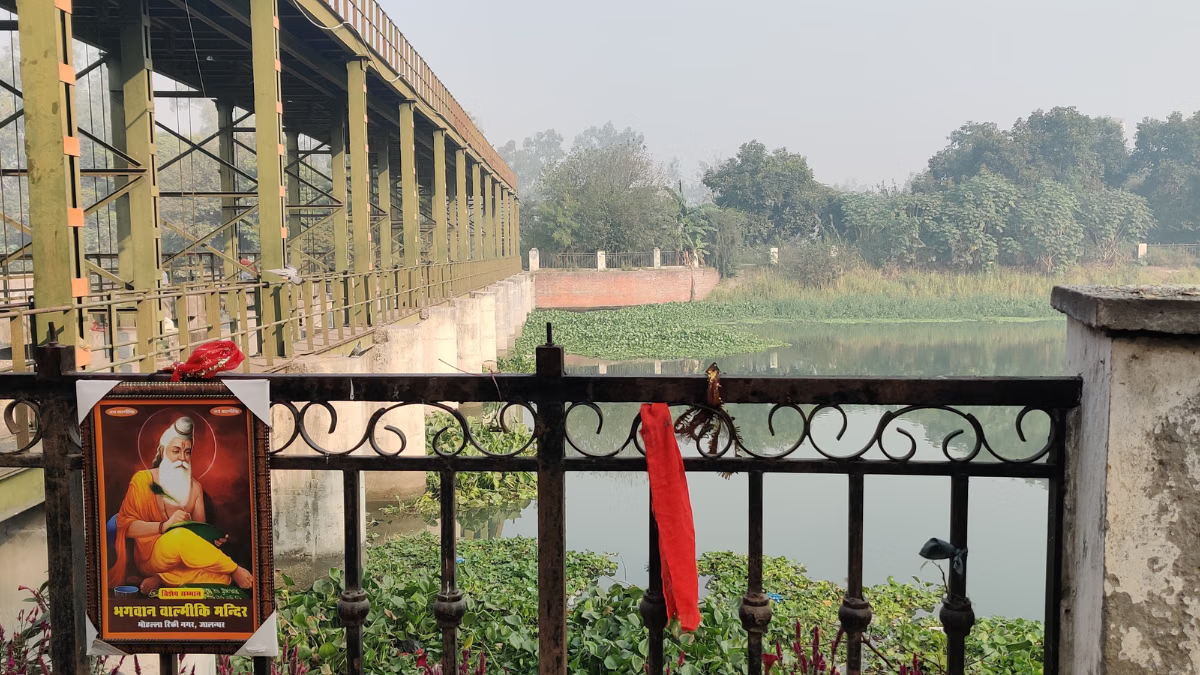
Punjab's Kanjli wetland, designated as a wetland of international importance under the Ramsar Convention in 2002, is reeling from severe ecological degradation caused by untreated sewage, accumulated trash, and choking mats of water hyacinth. In response, authorities have moved forward with a 20-crore rupee tourism redevelopment plan under the central government's Swadesh Darshan 2.0 initiative, sparking sharp criticism from environmentalists.
The revitalization project, overseen through the Punjab Heritage and Tourism Promotion Board, envisions modern recreational infrastructure to draw visitors to the site in Kapurthala district. Proposed installations include glass bridges, elevated boardwalks, landscaped walkways, and tourist huts alongside designated viewing zones.
Ecologists and conservation experts caution that the ambitious commercial footprint sidesteps the fundamental ecological crisis threatening the wetland's survival. Rather than addressing the heavy inflow of municipal wastewater or undertaking sensitive ecological dredging, the administration appears focused on cosmetic tourism assets that could place additional stress on fragile aquatic habitats.
Created by constructing a barrage across the Kali Bein river in 1870 to provide irrigation, the man-made waterbody evolved over decades into a vital sanctuary for migratory birds and indigenous wildlife. Its rich biodiversity and hydrological importance earned it recognition as a Ramsar site in 2002, marking it as a wetland of global ecological priority.
Decades after receiving international recognition, earlier efforts to promote eco-tourism at Kanjli have collapsed into disrepair. Previous tourist facilities, including boating complexes, parks, and guest cottages constructed in the 1990s, now lie largely neglected or abandoned amid overgrown weeds and stagnating waters.
A fragmented administrative framework has further hampered effective conservation, with responsibilities divided across irrigation, forests and wildlife, local municipal bodies, and tourism authorities. This lack of centralized accountability has allowed untreated urban waste and agricultural runoff to flow unchecked into the Kali Bein, accelerating the eutrophication of the lake.
Environmental observers have also raised alarms over deficiencies in the tourism board's project blueprints and tender documentation. Critics note that the plans omit references to vital environmental protection legislation and fail to lay out rigorous impact assessments or comprehensive measures to manage runoff and visitor footfall.
Compounding ecological concerns, landscaping proposals for the makeover have reportedly cited non-native and invasive vegetation, including species such as Lantana camara. Naturalists point out that introducing aggressive exotics around a sensitive wetland threatens native flora, reduces insect diversity, and undermines avian feeding grounds.
Wetland specialists stress that without restoring water flow and intercepting raw sewage, artificial attractions will do little to reverse the reservoir's long-term decline. Healthy wetlands function as critical natural filters, carbon sinks, and flood buffers, making biological remediation far more essential than hospitality infrastructure.
As the tourism board progresses with its redevelopment agenda, environmental groups continue to urge Punjab authorities to reorient funding toward comprehensive effluent treatment and wetland rejuvenation. The fate of Kanjli now hinges on whether policymakers prioritize genuine ecological restoration over short-term tourist draws.
Primary source: Google News Punjab. Newzly rewrites and structures source reporting for clarity; verify critical details at the original.