COP31 Talks Collapse Without Climate Deal Over Fossil Fuel Disagreement
High-stakes negotiations at the COP31 climate conference have collapsed without an agreement after delegates clashed over explicit references to fossil fuels, exposing deep divisions among participating nations.
In this piece
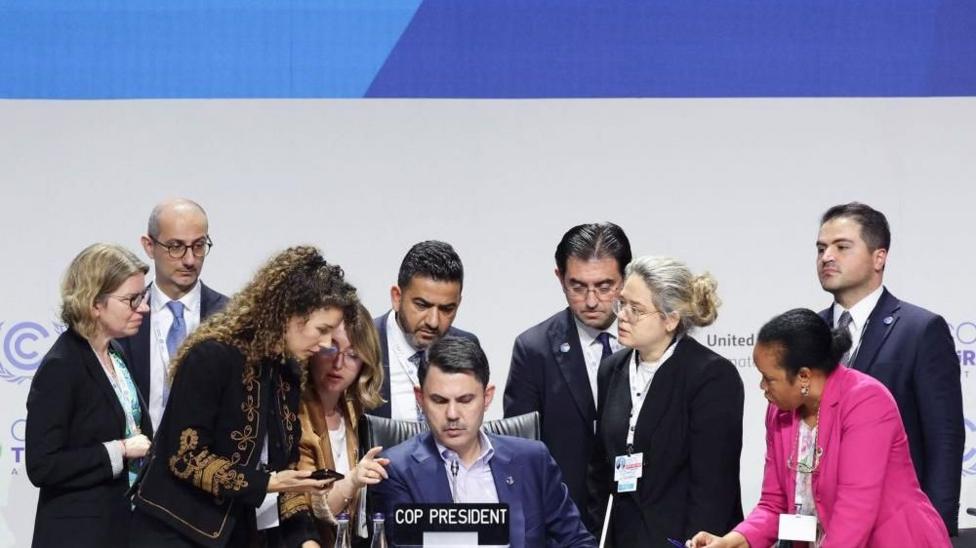
Talks at the COP31 climate summit have broken down following fierce disagreements over whether to explicitly mention fossil fuels in the final text. The failure…
International negotiations at the COP31 climate summit have concluded without a major agreement after contentious discussions over the role of fossil fuels triggered a breakdown among participating delegates. The failure to secure a unified consensus marks a significant setback for international environmental diplomacy, bringing scheduled discussions to an abrupt and unresolved close.
At the center of the dispute was a sharp disagreement over whether the final declaration should explicitly cite and mandate reductions in fossil fuels. Negotiating parties remained deeply divided over the exact phrasing, with some delegations pushing for clear language targeting carbon-heavy fuels and others resisting any explicit mention in the final text.
The collapse of the talks underscored long-standing ideological and economic rifts between nations that rely heavily on oil, gas, and coal extraction and those seeking rapid decarbonization. According to early accounts from the summit, the impasse exposed persistent friction between differing economic imperatives and global climate targets that have troubled consecutive international summits.
Global climate gatherings have routinely faced sharp disagreements regarding the timeline and mechanics of energy transitions. While scientific assessments continuously emphasize the necessity of curbing global greenhouse gas emissions, diplomatic negotiations often stall when economic priorities clash with binding emissions targets.
The inability of COP31 to deliver a comprehensive pact creates fresh uncertainty for multilateral climate initiatives and voluntary target-setting frameworks. Observers and analysts have warned that stalled diplomacy could decelerate collaborative investments in green infrastructure and complicate collective efforts to stabilize planetary temperatures.
The breakdown in negotiations carries immediate implications for nations vulnerable to severe weather disruptions, rising sea levels, and changing agricultural patterns. Without enforceable commitments and clear policy roadmaps, communities on the front lines of climate change face an increasingly unpredictable geopolitical landscape for securing transition support and adaptation funding.
The deadlock also highlights the complex economic realities that national governments must balance when approaching global climate treaties. Countries dependent on revenue from fossil resources face significant fiscal and domestic political hurdles when transitioning domestic energy production, leading to defensive negotiating stances at international forums.
With formal negotiations at COP31 failing to bridge the divide, diplomatic efforts are expected to shift back toward regional dialogues and intersessional working groups. Envoys will face the difficult task of rebuilding consensus and addressing the unresolved dispute over fossil fuel terminology ahead of subsequent international convenings.
Until participating countries can reconcile these deep divisions, global climate diplomacy remains in a precarious holding pattern. Future progress will likely depend on whether negotiators can craft compromise language that balances immediate energy security concerns with long-term climate targets.
Primary source: BBC World. Newzly rewrites and structures source reporting for clarity; verify critical details at the original.