Rabid baby goats prompt scare at North Carolina mobile petting zoo
ABC News reports that baby goats found to be rabid have set off a public-health scare tied to a mobile petting zoo in North Carolina. The available account does not spell out who may have been exposed.
In this piece
ABC News reports that rabid baby goats have prompted concern around a mobile petting zoo in North Carolina. The account does not name sites, dates, or how many…
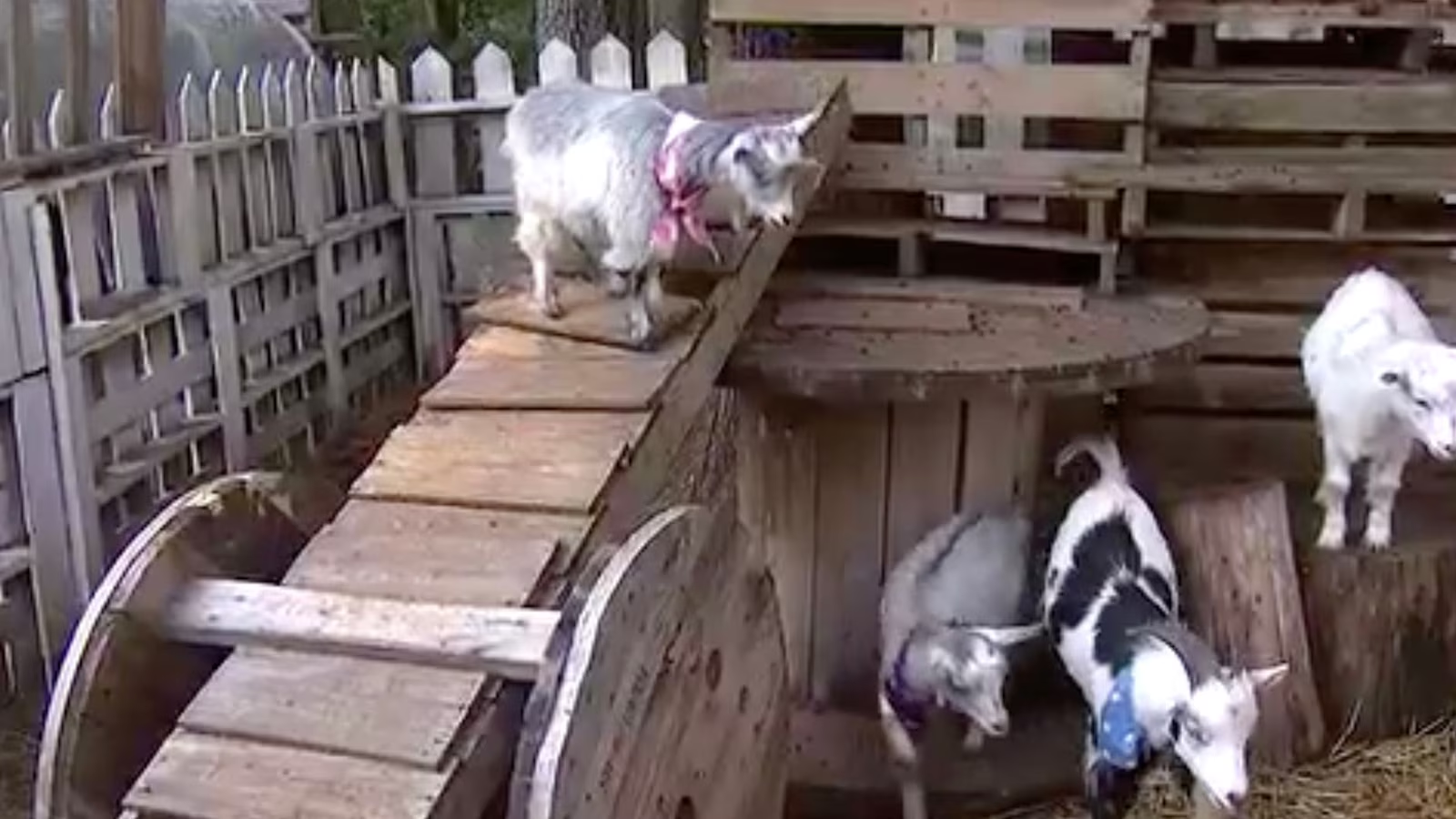
ABC News reports that baby goats found to be rabid have prompted a scare connected to a mobile petting zoo in North Carolina. The report frames the animals as the source of concern for people who may have had close contact with them. Further particulars of the incident were not included in the material available for this article.
The headline identifies a mobile petting zoo rather than a fixed farm exhibit. Traveling animal displays can visit more than one site, which can widen the question of who had contact. The available report does not name towns, dates, or events, and it does not state how many animals or visitors are involved, so the scale of possible exposure is unclear.
Health authorities treat rabies in animals the public can touch as an urgent exposure question. Rabies is a viral disease of mammals that spreads mainly through saliva, most often by a bite and less commonly when saliva reaches a scratch or mucous membranes. Once symptoms begin in a person, the illness is almost always fatal, which is why suspected exposures are assessed before illness appears.
At petting zoos, baby goats are often held, fed, and touched, especially by children. A nip, scratch, or unnoticed saliva contact can be easy to dismiss. Public-health guidance generally holds that any such contact with a mammal later found to have rabies should be reported promptly so a clinician can decide whether preventive treatment is needed.
Care after a possible exposure typically includes thorough wound cleaning and a course of rabies vaccine, and in some cases rabies immune globulin, started before symptoms. Whether anyone linked to this North Carolina exhibit has been advised to receive that care is not stated in the available report. Those decisions depend on the kind of contact, the animal’s test result, and medical judgment.
Confirming rabies in an animal usually requires laboratory testing of brain tissue after the animal has died or been euthanized. The ABC News headline states that the baby goats were rabid, indicating the virus was identified in animals tied to the exhibit. The report as available here does not describe when illness was noticed, how the goats were tested, or whether other animals from the same group were examined.
Goats and other livestock can contract rabies after contact with infected wildlife such as raccoons, skunks, foxes, or bats, which are recognized reservoirs in the eastern United States. A herd that moves among fairs, schools, or private events can make tracing harder because visitors leave and animals may have appeared at more than one stop. No itinerary for this operation appears in the source material.
In North Carolina, as in other states, local and state health and agriculture officials typically investigate animal rabies and notify people who might need care. Which agency is leading this response, whether a public alert has been issued, and how many people have come forward are not established in the available report. Specific counts or locations beyond what ABC News has reported should be treated as unverified unless officials state them.
People who believe they touched, fed, or were bitten or scratched by the goats in question are generally urged in situations like this to contact a clinician or local health department and describe the contact. Preventive treatment is meant to be given before symptoms, not after illness starts. Pets that may have interacted with the animals are a separate question for a veterinarian.
What follows depends on contact tracing and official guidance that the available report does not detail. If investigators identify places the goats visited, they may ask attendees to report possible exposures so treatment can be offered where it is warranted. Until those details are public, the confirmed point is the one ABC News headlined: rabid baby goats have prompted a scare around a mobile petting zoo in North Carolina.
Primary source: Google News North Carolina. Newzly rewrites and structures source reporting for clarity; verify critical details at the original.