Race to Replant Centuries-Old Baobabs in South Africa After Export Blocked
South African environmentalists are working to save five 20-tonne baobabs replanted at a Timbavati reserve after authorities intercepted an unpermitted export shipment destined for an unnamed buyer in Georgia.
In this piece
Environmental teams in South Africa are racing to replant five centuries-old baobab trees at a reserve in Timbavati after intercepting an unpermitted export…
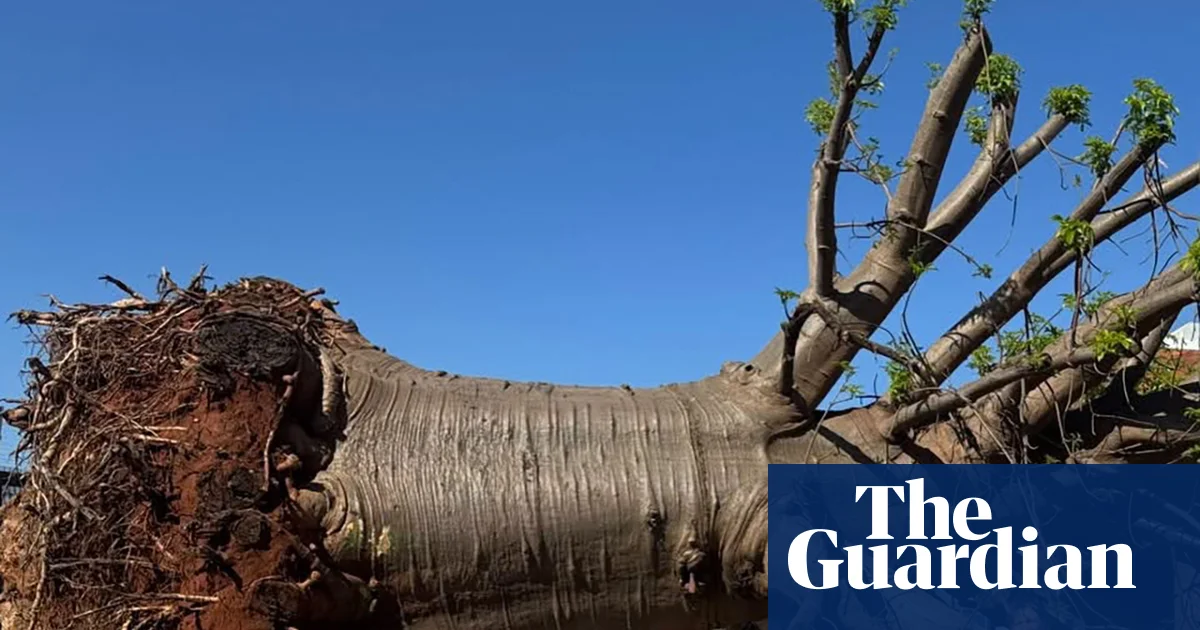
South African conservationists have launched an urgent effort to replant five centuries-old baobab trees after an unauthorized attempt to export the 20-tonne specimens was stopped by authorities. The massive trees arrived on Wednesday at a nature reserve in Timbavati, located in north-eastern South Africa, where teams are working quickly to return them to the soil.
The trees had been bound for Georgia after being dug up by a commercial exporter, reportedly without the necessary environmental and transport permits. The operation was halted when officials intercepted the shipment at a warehouse facility in the coastal city of Durban, where the baobabs remained stranded for months.
According to authorities, the specimens were seized in July after inspectors determined that the handlers lacked the proper documentation required to relocate and export such flora. While the intended recipient in Georgia has not been publicly identified, the interception marked a significant intervention against the unverified cross-border movement of protected plant life.
Transporting the 20-tonne giants from the coast back to the interior required extensive logistical planning. Baobabs are renowned for their immense girth, spongy fibrous wood, and complex root structures, making the movement of mature specimens an exceptionally delicate and labor-intensive task.
Upon reaching the Timbavati reserve, arborists and wildlife teams immediately began preparations to anchor the uprooted specimens back into natural terrain. Workers plan to secure the ancient trees using heavy-duty support cables, which are designed to keep the towering trunks upright while root systems attempt to re-anchor into the ground.
Environmental specialists face a narrow window to restore the baobabs, which have endured prolonged trauma away from their natural ecosystem. Months spent in storage at a Durban warehouse facility increased the risk of dehydration and irreversible structural damage to the trees' internal water-storing tissues.
Centuries-old baobabs play a foundational role in African landscapes, providing shelter, moisture, and sustenance to a wide array of wildlife, from birds to large mammals. Uprooting mature trees not only jeopardizes the individual specimens but also removes critical ecological anchors that take generations to develop.
The incident has intensified scrutiny surrounding the commercial extraction of indigenous flora and the enforcement of statutory permit systems in South Africa. Regulators and conservation advocates have reiterated that ancient trees cannot be harvested without rigorous impact assessments and formal authorization from environmental departments.
Critical questions remain unanswered regarding how the initial excavation was executed before the shipment reached coastal transit hubs. Investigators have not released further details on potential legal penalties or administrative actions against the exporter involved in the unpermitted operation.
For now, the focus in Timbavati remains on stabilization and long-term biological monitoring. Caretakers will monitor the anchored baobabs over the coming seasons to determine whether the centuries-old giants can survive their displacement and regain structural stability in their new home.
Primary source: The Guardian World. Newzly rewrites and structures source reporting for clarity; verify critical details at the original.