Rahul Gandhi Moves Supreme Court With 48 Questions for Election Commission
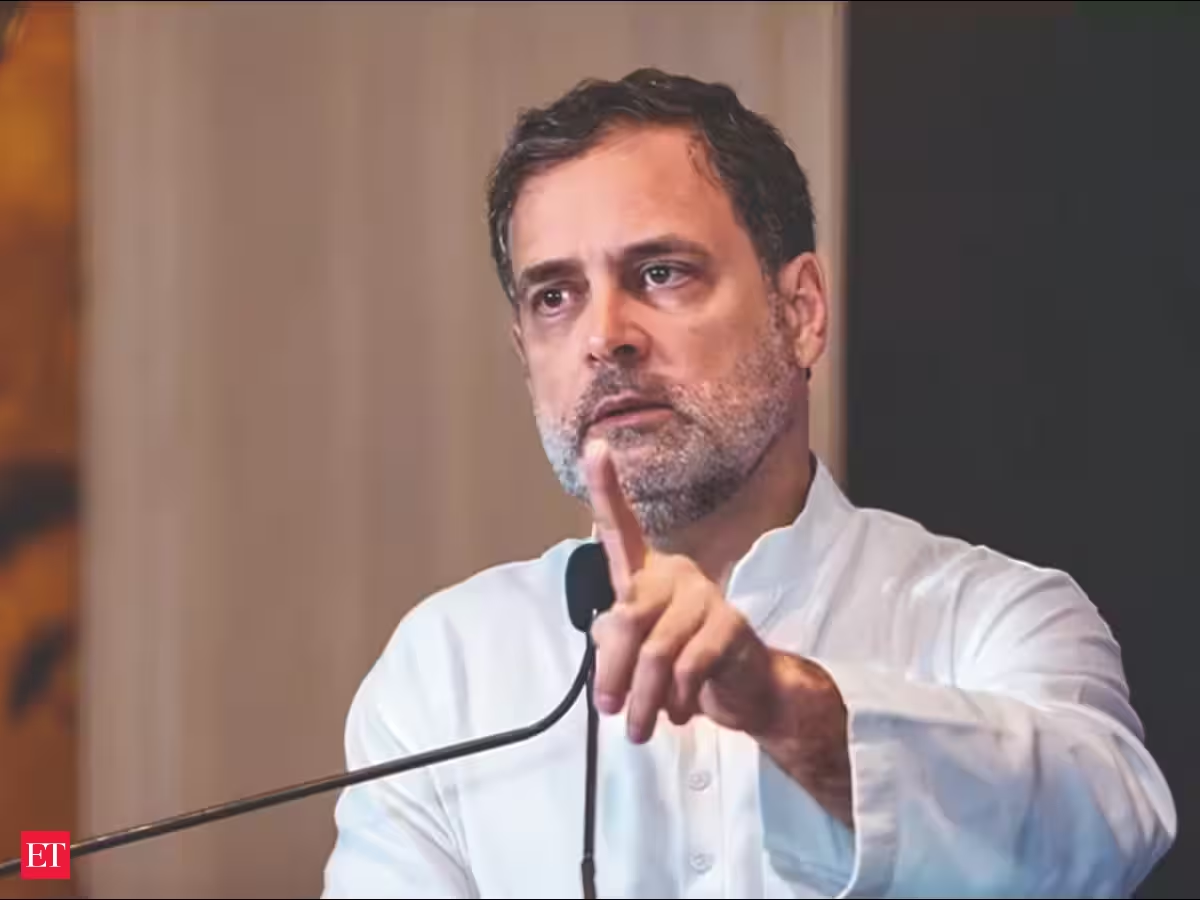
Leader of the Opposition Rahul Gandhi and allied INDIA bloc leaders have approached the Supreme Court seeking permission to serve 48 formal interrogatories on the Election Commission of India over alleged irregularities in voter roll revisions.
In this piece
Congress leader Rahul Gandhi and allied opposition leaders have moved the Supreme Court seeking answers to 48 formal questions from the Election Commission of…
Leader of the Opposition in the Lok Sabha Rahul Gandhi and several leaders from the opposition INDIA bloc have moved the Supreme Court seeking permission to serve 48 formal written questions, known as interrogatories, on the Election Commission of India. The legal application asks the top court to direct the poll body to deliver clear answers under oath regarding the nationwide Special Intensive Revision of electoral lists.
According to the application, the opposition parties are asking the court to order Chief Election Commissioner Gyanesh Kumar, Election Commissioners Dr. Sukhbir Singh Sandhu and Dr. Vivek Joshi, and the commission's Director General of Information Technology to respond via sworn affidavits. Alongside the direct answers, the applicants are seeking the production of official internal files, meeting minutes, and technical logs.
The controversy centers on the implementation of the Special Intensive Revision, an administrative exercise undertaken by the poll panel to scrub and update voter rolls across various constituencies. Opposition parties have repeatedly raised red flags over the process, alleging large-scale voter deletions and systemic irregularities that could disenfranchise legitimate electors.
A crucial component of the 48 questions focuses on the internal decision-making architecture within the election authority. The opposition leaders want to establish whether key administrative orders and directives were executed unilaterally by the Chief Election Commissioner without the active concurrence or formal approval of the other two commissioners.
The interrogatories specifically request disclosures on whether any written objections or formal notes of dissent were submitted by Dr. Sandhu or Dr. Joshi during discussions regarding the revision orders. While the Election Commission maintained in earlier counter-affidavits that decisions concerning the revision were unanimous, the opposition contends that the panel has offered general statements rather than sharing documentary proof.
The application also targets technical and procedural shifts made across the poll panel's digital ecosystem, notably alterations to online registration formats like Form 6 and internal management software including ERONET and ECINET. The petitioners are requesting granular data detailing when and why specific digital workflows were altered, as well as who authorized those system-level adjustments.
The submission represents an unusual procedural step in Indian electoral litigation, utilizing formal interrogatories under civil procedure principles to compel specific admissions before regular hearings proceed. Legal representatives for the opposition argue that standard affidavits filed by the commission have remained evasive, making detailed interrogatories necessary to narrow the factual controversies before the bench.
The legal confrontation comes amid sustained political friction between the ruling establishment and the opposition over the neutrality of statutory institutions. INDIA bloc parties have argued that absolute transparency in voter list curation is essential to maintaining public trust in democratic outcomes, warning that unverified roll revisions erode institutional legitimacy.
The Supreme Court is expected to consider the maintainability of the application and determine whether to direct the poll watchdog to respond to the questionnaire. If the bench allows the interrogatories, the resulting affidavits and disclosure of internal commission records could establish a precedent for judicial scrutiny over the commission's internal deliberations.
Primary source: Economic Times. Newzly rewrites and structures source reporting for clarity; verify critical details at the original.