Rajasthan Government Announces Rs 9,321 Crore Drought Relief Package for 15 Districts
The Rajasthan government has approved a Rs 9,321 crore drought relief package to assist farmers, cattle rearers, and rural residents across 87 severely and moderately hit tehsils following deficient monsoon rainfall.
In this piece
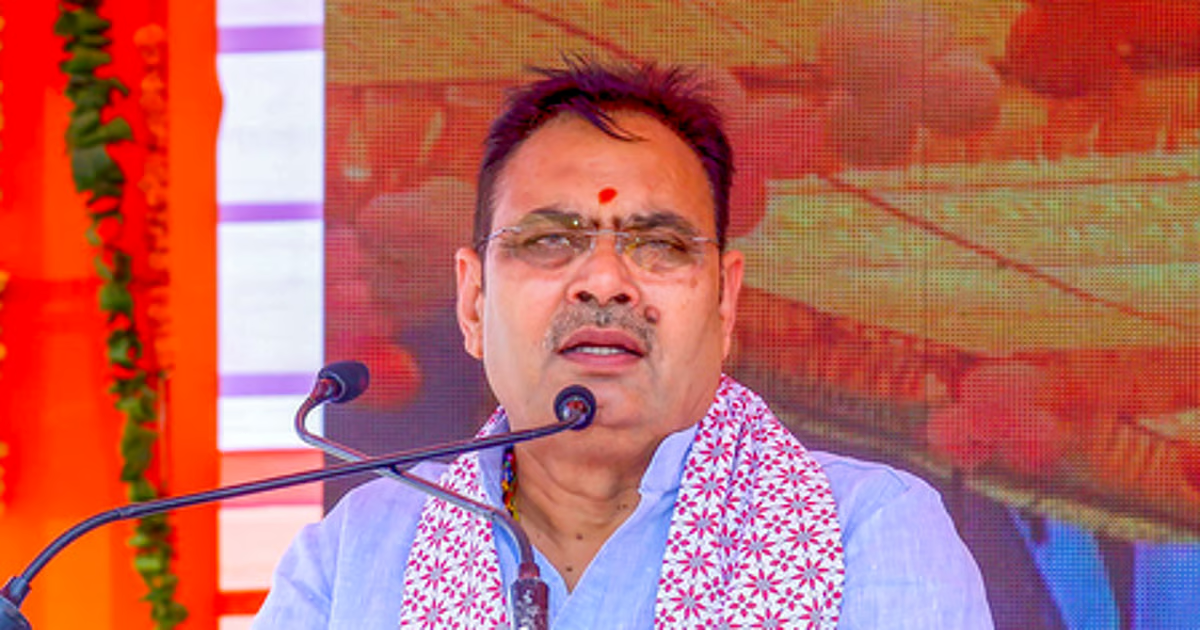
Rajasthan Chief Minister Bhajan Lal Sharma has unveiled a Rs 9,321 crore relief package for 15 drought-affected districts across the state. The funding targets…
The Rajasthan government has announced a comprehensive drought relief package valued at Rs 9,321 crore to mitigate distress among farming and rural communities following a severely deficient monsoon season. Chief Minister Bhajan Lal Sharma approved the special financial allocation during a high-level review meeting of the Disaster Management, Relief and Civil Defence Department at the Chief Minister's Office in Jaipur.
Under the state assessment, 87 tehsils spanning 15 administrative districts have been officially notified as drought-affected. The monsoon season registered a deficit of roughly 20 percent compared to long-term averages in these tracts, resulting in widespread agricultural stress and water scarcity. Among the designated subdivisions, 73 tehsils have been placed under the severe drought category, while 14 are classified as moderately impacted.
The drought declaration primarily encompasses arid and semi-arid tracts in western and southern parts of the state. Impacted districts include Barmer, Jaisalmer, Jodhpur, Jalore, Pali, Phalodi, Churu, Nagaur, Sirohi, and Bikaner, along with Dungarpur, Banswara, Beawar, Balotra, and Rajsamand. These regions routinely face harsh climatic vulnerabilities, leaving local populations highly sensitive to fluctuations in seasonal precipitation.
A major priority under the newly announced relief framework is expediting financial assistance to cultivators suffering from extensive damage to their Kharif harvests. Chief Minister Sharma directed administrative authorities to accelerate the girdawari, the formal ground-level crop inspection process, across all affected tehsils. The expedited surveys are intended to ensure swift verification and distribution of input subsidies and compensation to both landowning and tenant farmers.
To address acute shortages of potable water, the state government has mobilized the Public Health Engineering Department to implement emergency contingency plans. Department officials have been instructed to monitor ground supply continuously and arrange water transportation via tankers to distress pockets where local sources have dried up. Ensuring regular, uninterrupted drinking water access to remote hamlets and vulnerable habitations remains a primary operational directive.
In conjunction with drinking water logistics, the state Energy Department has been directed to bolster power infrastructure supporting agriculture. Authorities have mandated the priority release of electricity connections for agricultural tubewells across the affected belts. By stabilizing power delivery to groundwater extraction points, the government aims to help farmers salvage standing crops and prepare winter sowing where moisture levels permit.
Livestock preservation represents another critical dimension of the state relief strategy, given the central role animal husbandry plays in Rajasthan's rural economy. The administration has ordered the systematic establishment and operation of designated fodder depots to prevent feed shortages. Financial and logistical support is also being extended to gaushalas, or registered cow shelters, to maintain nourishment and care for displaced or vulnerable cattle.
Beyond immediate agrarian aid, the state plan incorporates targeted employment measures to insulate rural household incomes against severe economic downturns. Rural development authorities have been tasked with accelerating labor-intensive public works programs in the drought-hit tehsils. By expanding employment opportunities on the ground, officials seek to prevent distress migration toward urban centers during the dry months ahead.
The announcement underscores Rajasthan's recurring battle with erratic climate patterns and prolonged dry spells. As India's largest state by land area, vast portions of Rajasthan depend heavily on the southwest monsoon to recharge fragile groundwater tables and support rainfed farming. A shortfall of even twenty percent can trigger severe socioeconomic cascading effects across desert and tribal belts, making timely administrative intervention indispensable.
State departments have commenced coordination with district collectors to operationalize field-level relief distribution and monitor progress. Continuous oversight is expected from the Disaster Management and Relief Department to track expenditure, assess water logistics, and ensure compensation reaches beneficiaries without bureaucratic delays. How efficiently funds and supplies reach the hardest-hit tehsils over the coming weeks will determine the real-world impact of the relief package.
Primary source: Google News Rajasthan. Newzly rewrites and structures source reporting for clarity; verify critical details at the original.