Rajasthan Panchayat Polls: Final Phase of Voting Underway in 25 Districts
Voting is underway across 25 districts in Rajasthan as the final phase of rural panchayat elections concludes, deciding key zila parishad and panchayat samiti seats across the state.
In this piece
The final phase of voting in Rajasthan's panchayat elections is underway across 25 districts to elect representatives for zila parishads and panchayat samitis.…
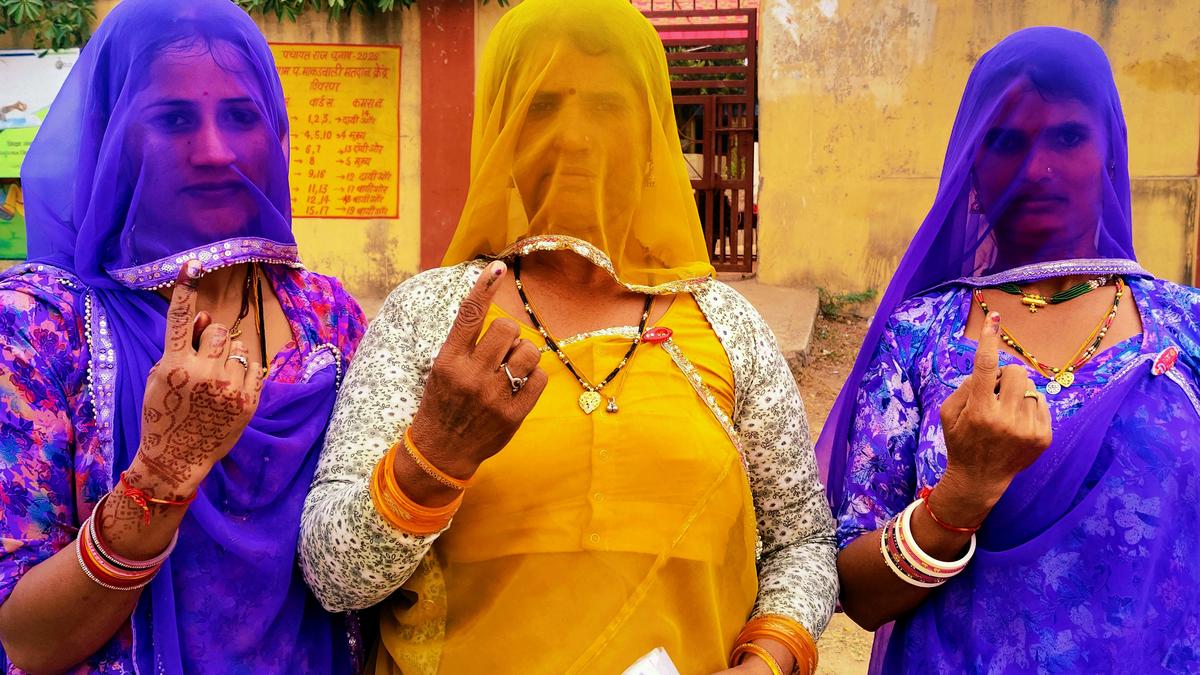
Voting is underway across 25 districts in Rajasthan as the state conducts the final phase of its multi-stage panchayat elections. Rural voters arrived at polling stations from the early morning hours to cast their ballots for representatives to district-level zila parishads and block-level panchayat samitis. The decisive round marks the culmination of an extensive electoral exercise spanning rural communities across the state.
State election authorities implemented comprehensive logistical preparations across thousands of polling booths to facilitate the balloting process. Administrative officials and police personnel were deployed across the designated centers to oversee security arrangements and manage voter flow. Electoral observers were assigned to monitor operations and ensure that voting proceeded in accordance with established rules and guidelines.
Long lines formed at several rural booths as residents turned out to exercise their franchise throughout the day. While balloting proceeded smoothly across the vast majority of stations, local reports indicated isolated delays at select centers due to technical glitches involving electronic voting machines. Polling staff and technical support teams were deployed to quickly resolve equipment malfunctions and resume standard operations.
The multi-tiered panchayati raj elections form the foundational pillar of decentralized governance and local decision-making across Rajasthan. Under this system, zila parishads and panchayat samitis carry statutory responsibilities for coordinating rural developmental initiatives, managing localized budgets, and maintaining public amenities. The outcome directly influences how public funds and rural welfare schemes are allocated and administered across village communities.
Thousands of candidates across the 25 participating districts are contesting the local body seats, representing established political organizations as well as independent platforms. Candidates have actively campaigned on issues central to rural life, including agricultural support, water access, primary education, and village road infrastructure. For local residents, these representatives serve as the primary institutional link between village households and state administrative machinery.
Beyond local administrative matters, the panchayat elections carry notable political significance across Rajasthan's political landscape. Major parties view grassroots local body contests as an essential barometer of public sentiment within rural constituencies. The institutional networks established through these councils often play an instrumental role in shaping organizational strength and regional party influence ahead of broader state-level political contests.
Conducting the elections across staggered phases allowed state authorities to distribute administrative resources and security personnel effectively across a vast geographical territory. Phased polling ensures that security teams can provide adequate coverage at sensitive polling stations without overextending law enforcement capacity. This structured format has helped maintain public order across diverse rural jurisdictions throughout the election cycle.
With voting concluding in this final phase, the polling phase of the rural election cycle formally draws to a close across Rajasthan. Following the completion of balloting, election officials are securing and transporting voting machines to designated strongrooms under strict administrative watch. Centralized counting across all contested wards will follow, bringing clarity to the political composition of local bodies across the state.
Once the official election results are finalized and notified, the newly elected representatives will convene to select executive leadership, including pramukhs and up-pramukhs for the respective councils. The incoming leadership will assume office with immediate mandates to oversee rural development priorities and implement civic improvements. Observers emphasize that effective governance at this tier will be critical in addressing long-term economic and infrastructural demands across rural Rajasthan.
Primary source: Google News Rajasthan. Newzly rewrites and structures source reporting for clarity; verify critical details at the original.