Rajma Madra vs. Punjabi Rajma: Four Key Differences Behind India's Classic Kidney Bean Dishes
While kidney beans are a beloved staple across northern India, Himachali rajma madra and Punjabi rajma offer distinctly different culinary experiences, from their gravy bases to their traditional dining settings.
In this piece
Kidney beans hold an iconic place in northern Indian cuisine, yet regional preparations diverge sharply between states. Culinary experts point to four essential…
Kidney bean curries remain among the most celebrated comfort foods across northern India, but culinary experts note that regional preparations carry vastly divergent techniques and flavor foundations. While Punjabi rajma has achieved nationwide ubiquity, Himachal Pradesh's traditional rajma madra offers an entirely distinct interpretation of the red legume, characterized by ancient mountain cooking practices.
Both preparations rely on tender simmered kidney beans, yet their evolution reflects the geographical and cultural nuances of their home states. In Punjab, robust agrarian kitchens developed a deeply spiced, warming gravy, whereas Himachal Pradesh developed yogurt-based gravies suited to mountain climates and temple banquets. Culinary specialists emphasize that conflating the two overlooks centuries of distinct culinary heritage.
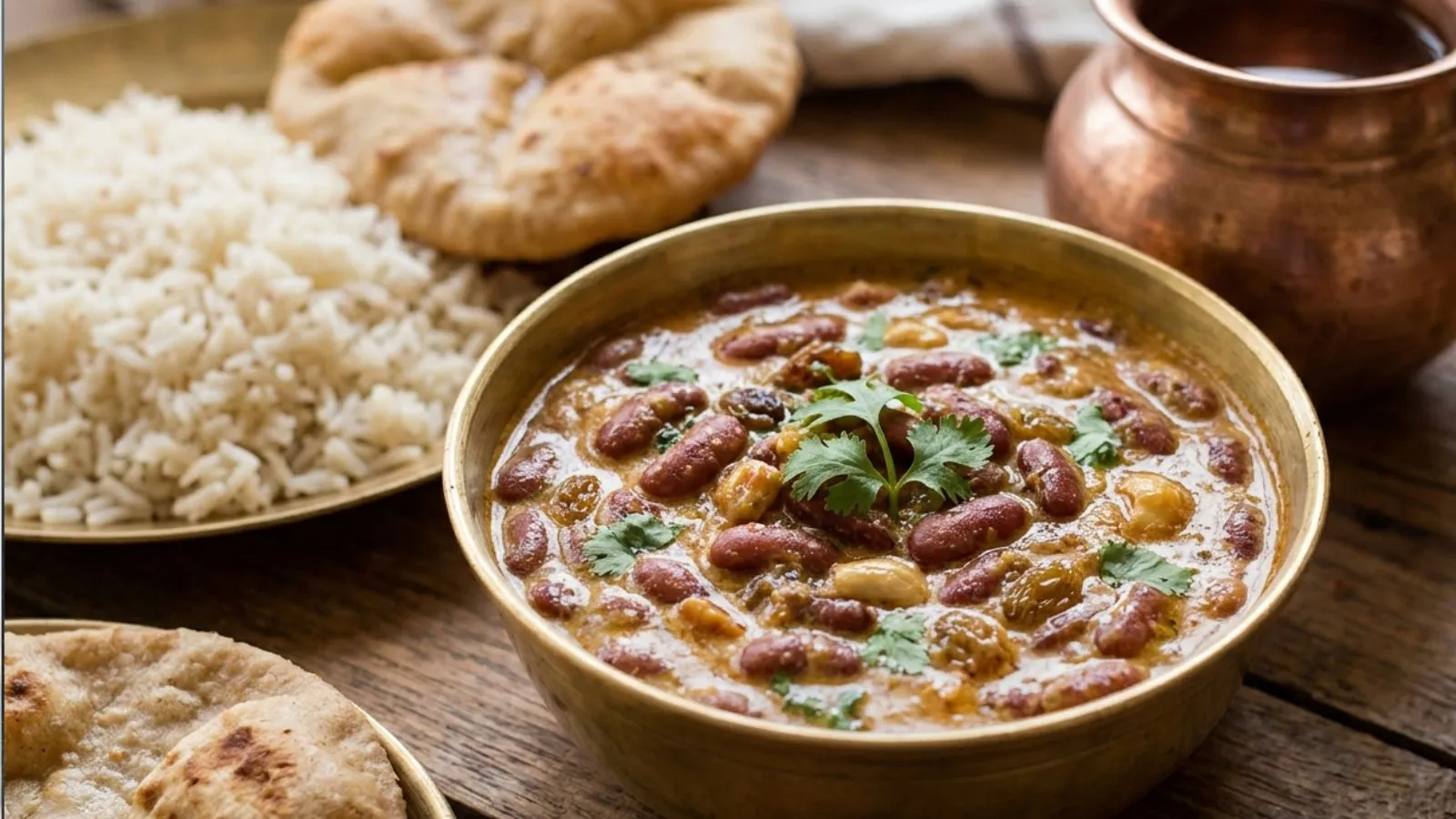
The primary distinction between the two dishes lies in the foundation of the gravy. Punjabi rajma relies on a rich, slow-simmered onion and tomato masala, stewed until the tomatoes break down and release their natural acidity and deep red color. In stark contrast, rajma madra is built upon a delicate yogurt base, where whisked curd is tempered into pure ghee and gently cooked to yield a silky, golden sauce without curdling.
Another defining contrast centers on the use of alliums in the kitchen. Traditional Punjabi rajma draws much of its depth and pungency from a generous paste of chopped onions, ginger, and garlic browned in oil or butter. Authentic Himachali rajma madra, however, is prepared as a satvik dish, strictly omitting both onions and garlic to allow the creamy dairy and subtle legume flavors to remain unmasked.
The aromatic profiles also reflect regional agricultural and climatic conditions. Punjabi preparations lean heavily on powdered pantry staples, including coriander, cumin, red chili powder, and an aromatic finish of garam masala. Himachali cooks instead favor whole warming spices such as black and green cardamom, cloves, and cinnamon, accented uniquely by ground fennel seed and dried ginger powder.
Beyond ingredients, the social settings surrounding each dish distinguish their place in Indian gastronomy. Punjabi rajma, almost universally paired with steamed rice as rajma chawal, serves as an everyday household staple, roadside diner favorite, and weekend comfort meal. Rajma madra, originating in regions like Chamba, holds ceremonial status as a centerpiece dish of the traditional community feast known as the Dham.
These regional distinctions underline how traditional Indian kitchens adapted common pulses to local agricultural resources and ritual dietary requirements. As regional cuisines gain broader appreciation in contemporary urban dining, chefs highlight that understanding these nuances prevents traditional recipes from being homogenized into standard curry formulas.
As food enthusiasts and home cooks increasingly explore micro-regional Indian cuisines, chefs anticipate that traditional dishes like rajma madra will continue gaining visibility beyond the Himalayan foothills. Preserving the integrity of such localized preparations offers diners a broader appreciation of the subcontinent's diverse culinary landscape.
Primary source: The Indian Express. Newzly rewrites and structures source reporting for clarity; verify critical details at the original.