world·Maharashtra·Mumbai District
RBI Overhauls ATM and Card Rules, Allowing Cash Withdrawals at Retail Shops and Revising Fees
The Reserve Bank of India has issued updated master directions allowing cash withdrawals at merchant shops and setting a higher ceiling of Rs 23 per transaction on ATM withdrawals exceeding monthly free limits.
In this piece
The Reserve Bank of India has updated regulations governing ATM and card transactions across the country. Under the new master directions, customers can…
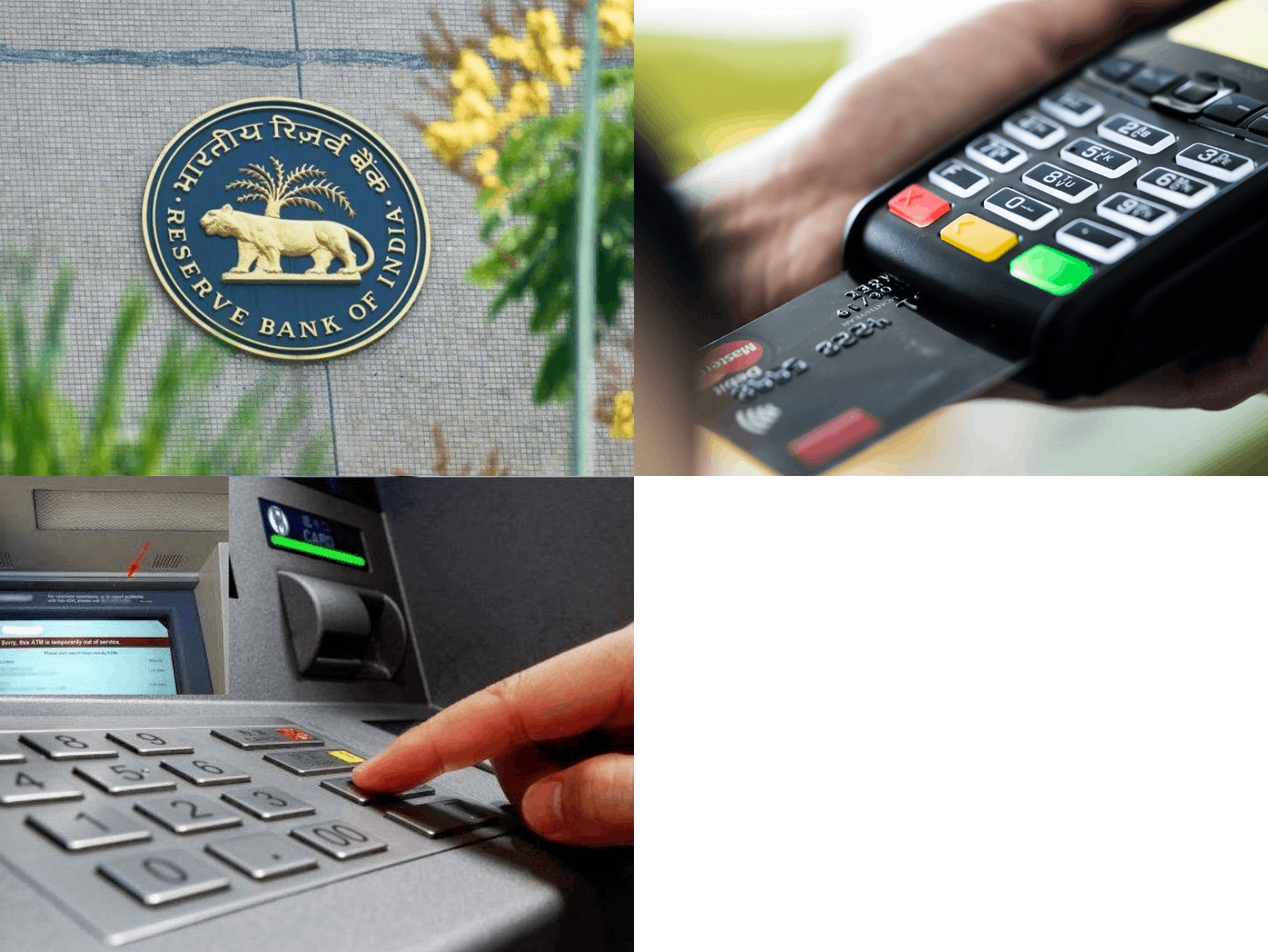
The Reserve Bank of India has issued an updated master direction overhauling guidelines for automated teller machines and card payments, formally enabling cash withdrawals at merchant point-of-sale terminals while adjusting transaction fee ceilings. Under the consolidated framework, retail customers can withdraw money directly from designated merchant stores using debit cards, Unified Payments Interface, and authorized prepaid instruments.
The central bank's directions permit cardholders to withdraw cash up to Rs 2,000 per transaction at eligible merchant point-of-sale setups, subject to a cumulative monthly cap of Rs 10,000. This facility aims to expand basic cash access across local retail networks, turning neighbourhood shops into mini cash-dispensing points and easing reliance on physical bank branches and standalone teller machines.
Alongside store-level cash disbursement norms, the central bank revised the financial ceiling on automated teller machine usage once customers exceed their allocated monthly free quota. Financial institutions are now permitted to charge up to Rs 23 per transaction, plus applicable goods and services taxes, when account holders perform transactions beyond their permitted free limit.
The standard free monthly ATM quota for savings bank account holders remains anchored to existing baseline allocations. Account holders continue to receive five free transactions each month from their home bank's ATM network, covering both financial withdrawals and non-financial inquiries such as account balance checks or mini-statement requests.
For transactions carried out at other banks' teller machines, the regulator has retained a geographical distinction between urban metropolitan centers and regional territories. Customers in six designated metro locations—Mumbai, New Delhi, Chennai, Kolkata, Bengaluru, and Hyderabad—are entitled to three free monthly transactions on third-party machines, while users in non-metro areas receive five free transactions, capped at an aggregate maximum of five non-home transactions.
To prevent consumers from accidentally exceeding free quotas, the banking regulator has mandated strict disclosure obligations on ATM operators and issuing banks. Terminal operators must prominently display whether an ATM is situated in a metro or non-metro zone via on-screen prompts or printed notices, while banks must send timely notifications alerting account holders when they approach or exhaust their monthly free limit.
The updated framework also strengthens consumer safeguards by addressing failed or aborted transactions caused by system breakdowns or empty cash cassettes. The central bank clarified that transactions which fail due to technical glitches, hardware defects, network timeouts, or currency shortages cannot be deducted from a user's free quota or subjected to any penalty fees.
In addition to physical cash guidelines, the consolidated directions formalize standards for contactless card transactions conducted at merchant checkout counters. Tap-and-pay transactions valued up to Rs 5,000 do not require two-factor authentication or personal identification number entry, maintaining transaction speed while preserving risk-management controls for higher-value purchases.
The regulatory consolidation streamlines seventeen disparate circulars issued over the past eighteen years into a single, cohesive operating code. By codifying cash access across retail merchant counters, the regulator is seeking to bolster financial inclusion in underbanked semi-urban and rural areas where deploying and maintaining traditional automated teller machines remains economically challenging for commercial lenders.
Commercial lenders, payment aggregators, and retail merchant networks across India are now expected to align their core banking software and terminal configurations with the unified master direction. Industry analysts note that while the slight increase in penalty fees encourages greater digital payment adoption, the wider availability of store-based cash withdrawals will provide critical liquidity buffers for day-to-day retail trade.
Primary source: Divya Bhaskar Utility. Newzly rewrites and structures source reporting for clarity; verify critical details at the original.