Madhya Pradesh High Court Rules Wife's Dental Degree No Ground to Deny Maintenance
The Madhya Pradesh High Court has held that a woman’s professional qualification as a dentist cannot serve as a ground to deny her maintenance, reaffirming that earning capacity does not equal actual, proven income.
In this piece
The Madhya Pradesh High Court has ruled that possessing a dental degree does not disentitle an estranged wife from receiving spousal maintenance unless…
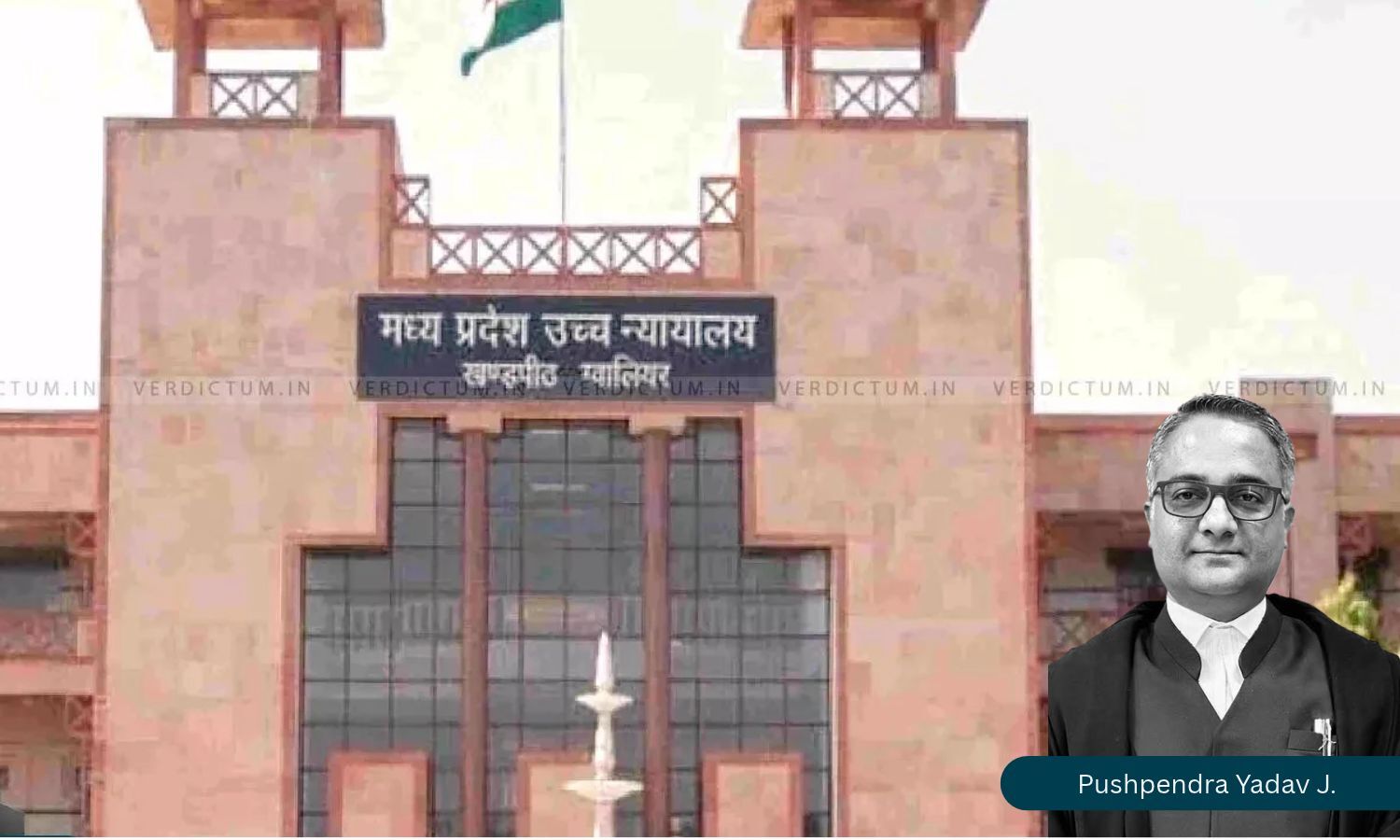
The Madhya Pradesh High Court has ruled that a woman’s professional qualification as a dentist cannot be used as a valid ground to deny her spousal maintenance, underscoring that theoretical earning capacity does not substitute for proven financial independence. Justice Pushpendra Yadav dismissed a criminal revision plea filed by an estranged husband seeking to overturn an order granting maintenance to his former wife and their minor daughter.
The petitioner, a practicing medical officer, had challenged the family court's maintenance order by arguing that his former wife held a Bachelor of Dental Surgery degree and possessed substantial earning potential. He alleged that she earned between 40,000 and 50,000 rupees each month through private clinical practice, contending that she was fully capable of supporting herself without his financial assistance.
However, the High Court observed that the husband failed to submit credible documentary or material evidence establishing any active dental practice or verifiable income. The bench highlighted that unsubstantiated assertions cannot deprive an estranged spouse of statutory support, noting that the possession of an academic or professional credential alone does not demonstrate actual, stable remuneration.
In its detailed analysis, the court drew a sharp distinction between a person's general qualification to work and their real-world economic circumstances. The ruling reiterated well-established legal principles holding that possessing the capacity or educational prerequisites to earn does not automatically translate into gainful employment, especially when a woman is tasked with caring for a dependent child.
The bench also addressed the husband’s contention that a previously granted divorce decree on grounds of cruelty should absolve him of any obligation to pay maintenance. Rejecting that argument, the court clarified that under Section 125 of the Code of Criminal Procedure, a divorced wife remains legally entitled to claim maintenance from her former husband provided she has not remarried.
Similarly, the High Court held that the husband’s prior acquittal in a criminal case registered under Section 498-A of the Indian Penal Code, which deals with matrimonial cruelty and dowry harassment, does not extinguish maintenance rights. The court observed that criminal trials require guilt to be proven beyond reasonable doubt, meaning an acquittal does not negate civil obligations or disprove financial dependency.
The ruling emphasizes the protective social welfare mandate enshrined in Indian matrimonial law, where maintenance provisions are designed as summary measures to prevent vagrancy and economic destitution. Legal experts note that such interpretations ensure that financially vulnerable spouses are not abandoned to fend for themselves based on hypothetical income or speculative career opportunities.
By upholding the maintenance granted to the woman and her child, the High Court affirmed the lower court's award and closed the revision proceedings against the petitioner. The decision reinforces judicial consistency across Indian high courts, signaling that spouses challenging maintenance obligations must present concrete financial documentation rather than relying on educational status alone.
Primary source: Google News Madhya Pradesh. Newzly rewrites and structures source reporting for clarity; verify critical details at the original.