Record Flooding in Central Florida Prompts Hundreds of Water Rescues
Historic rainfall across central and southern Florida has triggered hundreds of emergency water rescues, submerging coastal communities and sending river levels to heights unseen in seven decades as more rain threatens the region.
In this piece
Torrential downpours dumped over two feet of rain on parts of Florida, stranding motorists and inundating residential neighborhoods across Brevard County and…
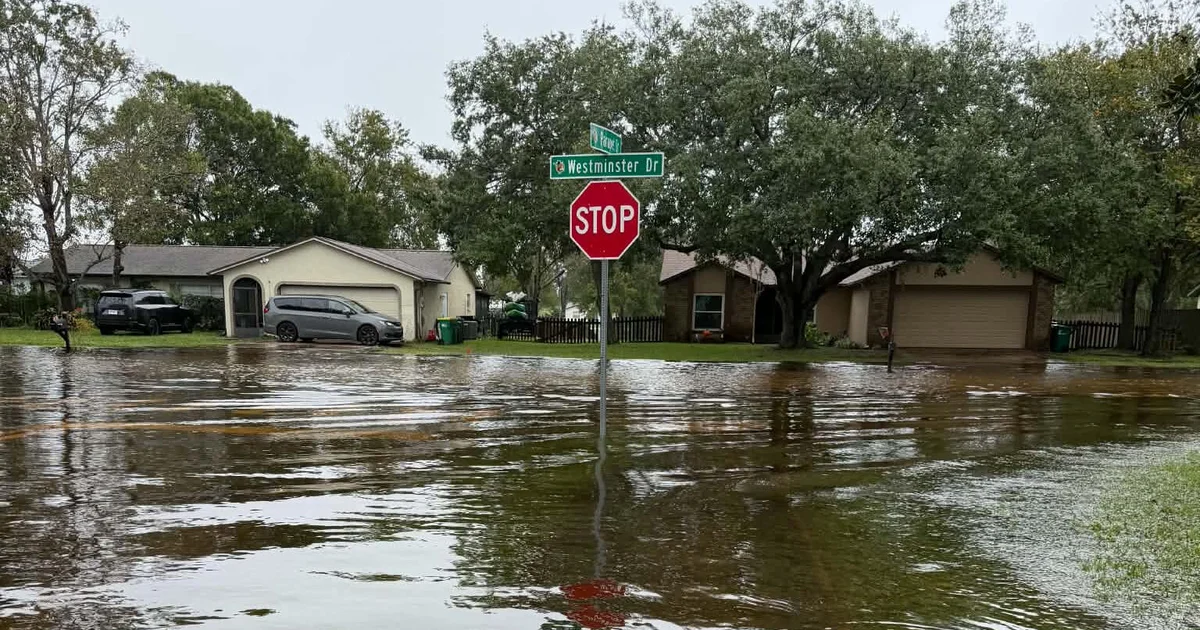
Severe flooding driven by relentless torrential downpours has overwhelmed communities across central Florida, prompting emergency crews to execute hundreds of water rescues. The deluge inundated residential neighborhoods, stranded drivers along major thoroughfares, and transformed local roadways into impassable waterways. First responders worked around the clock with specialized high-water vehicles and rescue boats to pull vulnerable residents from rising waters.
In Brevard County, along the state's Space Coast, emergency personnel carried out more than 100 water rescues after intense bands of rain stalled over coastal municipalities. Communities including Cocoa Beach and Palm Bay bore the brunt of the initial surge, with local emergency agencies responding to numerous calls from trapped homeowners. Despite widespread property inundation and vehicle submergence, local emergency officials reported no immediate fatalities.
The flooding followed an extraordinary weather event that unleashed more than two feet of rain across localized pockets in just a matter of days. In Brevard County, the massive runoff pushed the St. Johns River past an unprecedented 18 feet. That surge surpassed a historic high-water record that had stood unchallenged since 1953, underscoring the extreme volume of water moving through the regional drainage basin.
The severe weather system was not confined to central Florida, as heavy precipitation also battered portions of southern Florida. Communities across Broward County, including Hollywood and Dania Beach, faced extensive street flooding and waterlogged infrastructure. Emergency dispatchers throughout the corridor managed an influx of calls from motorists who found themselves suddenly stranded in deep waters.
The sheer velocity and volume of water inflicted substantial damage on local transit routes and public infrastructure. In Palm Bay, rushing floodwaters severely undermined and washed away a portion of the Port Malabar Boulevard Bridge, forcing authorities to shut down the corridor. Public works crews and law enforcement established detours while engineers mobilized to evaluate the integrity of affected bridges and roadways.
The severity of the deluge caught many residents by surprise because the torrential event unfolded during what is historically Florida's dry season. Typically, the autumn and winter months bring lower humidity and subdued rainfall across the peninsula. Instead, atmospheric conditions aligned to funnel deep moisture across saturated terrain, leaving stormwater systems unable to discharge runoff quickly enough.
For homeowners and business operators, the rapid inundation has triggered extensive property losses, with water entering living rooms and ground-floor establishments. Tow operators and rescue crews worked to clear dozens of stalled automobiles that cluttered flooded intersections. Local authorities emphasized that prompt evacuations and community alerts played a pivotal role in preventing severe injuries during the rapid rise.
Even as the heaviest rainfall bands shifted, residual high water continued to pose significant hazards for regional travel and daily life. Low-lying neighborhoods remained cut off, and standing pools of water obscured collapsed road edges and concealed submerged debris. Officials urged motorists to strictly observe barricades and avoid attempting to navigate flooded roadways.
With additional rain lingering in the regional forecast, meteorologists and emergency managers have maintained active flood watches across portions of Florida's east coast. Hydrologists caution that major rivers, including the St. Johns, will take several days to recede below flood stage due to saturated ground across the watershed. Recovery operations and structural assessments remain ongoing as local communities brace for any further precipitation.
Primary source: Google News Florida. Newzly rewrites and structures source reporting for clarity; verify critical details at the original.