Flooding Submerges Florida Neighborhood as High Waters Inundate Local Streets
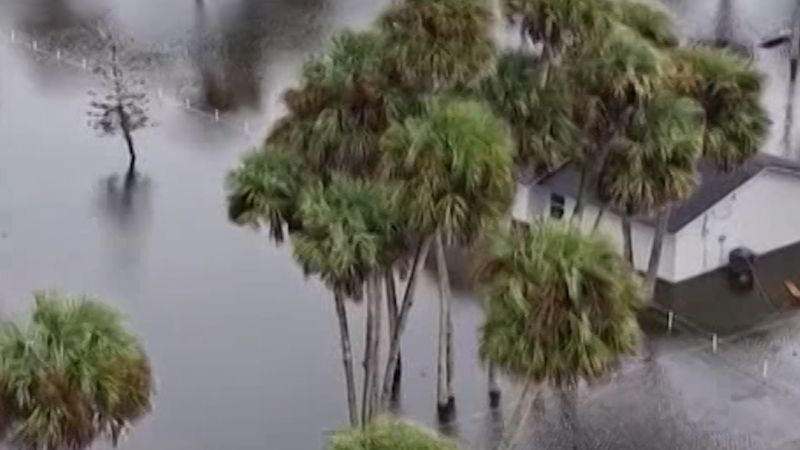
Rising floodwaters have submerged a Florida neighborhood, leaving roads impassable and threatening homes as emergency officials urge caution while drainage crews monitor water levels, according to CNN reports.
In this piece
Severe flooding has submerged streets and surrounded homes in a Florida neighborhood, disrupting travel and raising concerns over property damage. Emergency…
Severe flooding has inundated a Florida residential neighborhood, submerging roadways and threatening residential properties, according to reports from CNN. Broadcast footage and initial dispatch reports showed high water covering local streets and creeping toward residential structures. The inundation has left neighborhood transit severely compromised as stormwater systems struggle to process the sudden influx of water.
The rapid accumulation of water created hazardous conditions for residents, complicating vehicular access and raising immediate concerns regarding structural damage. While preliminary reporting highlighted waterlogged streets and flooded driveways, detailed estimates of individual home damage remained preliminary as conditions developed. Local inhabitants were forced to navigate standing water while monitoring whether water levels would rise further.
Florida's low-lying geographical profile and high natural water tables make neighborhoods across the state exceptionally vulnerable to surface water accumulation. During periods of concentrated rainfall, saturated soils quickly lose the capacity to absorb moisture, pushing excess water into roads and retention areas. In many low-elevation districts, even modest drainage delays can result in swift neighborhood-wide inundations.
Meteorological patterns across the peninsula frequently generate localized, slow-moving rain bands that deliver torrential amounts of water over concentrated areas. When heavy precipitation coincides with saturated ground or elevated tidal levels, municipal runoff systems can rapidly reach peak capacity. These acute weather dynamics often transform regular neighborhood roadways into impassable channels within hours.
Emergency management personnel and regional authorities routinely urge caution during such high-water events, warning drivers not to navigate submerged corridors. Unseen hazards, including submerged debris, open utility covers, and structural washouts, frequently lurk beneath floodwaters. In addition, standing floodwaters can carry contaminants or conceal downed electrical equipment, creating serious safety hazards for pedestrians.
Neighborhood flooding events underscore ongoing concerns regarding residential resilience and stormwater infrastructure across Florida communities. As storm intensity fluctuates and development continues, municipal drainage canals and pump networks face growing operational burdens. Ensuring that residential drainage systems can withstand sudden volume spikes remains a critical focus for community planning boards statewide.
Beyond the immediate physical disruptions, recurring neighborhood water events impose significant economic and emotional costs on local homeowners. Repeated exposure to standing water can erode roadway sub-bases, harm landscaping, and degrade building foundations over time. Consequently, civic leaders and civil engineers continue to advocate for expanded retention basins, improved culverts, and aggressive channel maintenance across vulnerable regions.
Public safety officials advise residents in vulnerable zones to remain attentive to local advisories and verify emergency plans ahead of severe weather. Maintaining clear gutters, securing outdoor furniture, and monitoring regional flood watches help reduce vulnerabilities when waters begin to rise. Community awareness and rapid reporting of clogged drains also aid public works teams in responding to localized blockages.
Looking ahead, public works crews and emergency responders are expected to conduct full damage assessments once floodwaters recede from the neighborhood. Municipal teams will inspect street infrastructure, verify drainage corridor functionality, and assist residents with cleanup logistics. Further reporting from networks including CNN is expected to provide additional clarity on recovery timelines and official response efforts as water levels normalize.
Primary source: Google News Florida. Newzly rewrites and structures source reporting for clarity; verify critical details at the original.