Robot Vessels Take on the Dangerous Work of Mine Hunting
Amid heightened tensions across key waterways, naval forces are deploying autonomous surface vessels and underwater drones to detect and clear lethal sea mines without endangering human crews.
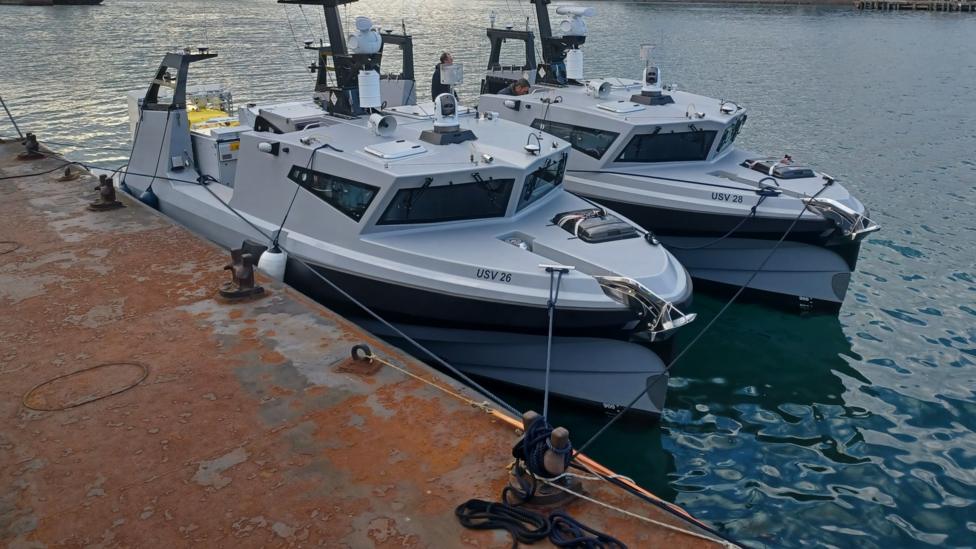
Naval forces are accelerating the operational deployment of uncrewed surface vessels and autonomous underwater drones to conduct one of the most perilous assignments in maritime warfare: finding and destroying naval mines. Recent regional tensions across strategic chokepoints, particularly in the Gulf, have provided military planners with an urgent proving ground to evaluate automated mine-hunting technologies in operational environments.
The initiative marks a fundamental transition away from decades of relying exclusively on human crews to navigate directly into suspected minefields. Instead of sending conventional mine-countermeasure ships into harm's way, commanders are increasingly directing autonomous vessels to sweep maritime corridors and identify submerged threats from standoff distances.
Naval mines represent one of the most cost-effective and disruptive asymmetric weapons available in modern naval conflict. Capable of resting silently on the seabed or drifting in shallow shipping channels, these munitions can be triggered by the acoustic, magnetic, or pressure signatures generated by passing ships. A single blast is often capable of breaking a vessel's keel and inflicting catastrophic structural damage.
Beyond the physical threat to military assets, the mere suspicion that mines have been laid in key maritime passages can paralyze commercial navigation. In critical international bottlenecks such as the Strait of Hormuz, commercial shipping operators and insurers routinely pause tanker traffic until clear verification of safe passage can be established, magnifying global energy and economic vulnerabilities.
Historically, clearing these lethal devices has demanded specialized ships built from non-magnetic materials like wood or fiberglass to reduce the likelihood of accidental detonation. Such vessels traditionally require crews of up to eighty personnel, including specialized combat divers who face extreme physical hazards when manually inspecting and disarming explosives underwater.
The modern robotic approach splits the mine-countermeasures mission into coordinated, layered phases handled by autonomous systems. Uncrewed surface vessels operate as communications relays and motherships, launching autonomous underwater vehicles equipped with advanced synthetic aperture sonar. These underwater drones systematically scan the seafloor, generating high-resolution acoustic maps and flagging suspicious objects for review.
While artificial intelligence software assists in classifying potential hazards on the seabed, human operators remain central to command and control decisions. Operators monitor telemetry and sensor feeds from safe operating areas miles outside the danger zone or from shore-based control stations, approving targeted neutralization missions that deploy expendable disposal drones to destroy identified mines.
The transition toward uncrewed operations also addresses broader structural pressures confronting modern armed forces, including personnel retention and recruitment shortfalls. Robotic squadrons allow naval commands to execute persistent clearing operations with a fraction of the deployed personnel previously required, reducing logistical footprints while preserving specialized human expertise.
As autonomous navigation algorithms and underwater communications continue to mature, defense analysts expect robotic systems to assume an even larger share of routine maritime patrol and clearance duties. Allied navies are expected to conduct further joint exercises to standardize autonomous mine-hunting protocols, ensuring commercial waterways remain open and military crews remain safely removed from the blast radius.
Primary source: BBC Technology. Newzly rewrites and structures source reporting for clarity; verify critical details at the original.