Ryanair May Freeze Worker Pay and Raise Fares Over €2bn Fuel Spike Risk
The low-cost carrier warned it may hike fares and freeze staff pay as soaring energy costs could add two billion euros to fuel expenses by 2028 without a Middle East conflict resolution.
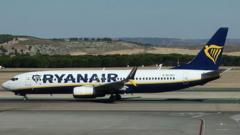
Ryanair has warned that it could implement a pay freeze for its workforce and increase ticket prices as escalating geopolitical turmoil threatens to drive up operating expenses. The low-cost carrier indicated that its fuel expenditure could surge by up to two billion euros in 2028 unless ongoing hostilities involving the United States, Israel, and Iran reach a resolution.
The potential twin measures of capping staff wages and raising passenger fares reflect mounting pressures on aviation balance sheets in an increasingly volatile energy environment. Company projections show that sustained conflict in the Middle East risks triggering severe disruptions across global crude supplies, directly altering budget airline cost models.
Aviation fuel typically accounts for one of the largest single operating expenses for commercial airlines, leaving carriers acutely exposed to international oil price swings. While major airlines routinely utilize financial hedging strategies to lock in kerosene prices in the medium term, prolonged military conflicts create severe uncertainties that undermine multi-year budgeting.
The specific identification of 2028 highlights the carrier's concern that current geopolitical divisions could entrench long-term structural increases in global energy markets. With the conflict involving the United States, Israel, and Iran remaining unresolved, airline planners are projecting cumulative cost spikes that could reach the multi-billion-euro threshold within the next few years.
A prospective pay freeze would represent a significant shift for the carrier's workforce, which spans pilots, cabin crew, and ground operations teams across its network. Implementing wage restrictions during periods of broader economic strain frequently complicates labor negotiations, particularly as unions across the transport sector push for real-wage protections amid general inflation.
On the commercial side, passing higher operating costs onto travelers through elevated ticket prices could test consumer demand across discretionary leisure routes. Low-cost carriers have traditionally relied on low baseline fares to stimulate passenger volumes, making fare hikes a sensitive operational lever in competitive regional markets.
The warnings issued by Ryanair also underscore broader vulnerabilities facing the global air travel industry as regional security crises disrupt vital transport corridors and commodities. Rival airlines operating both short-haul and long-haul international networks face comparable headwinds if crude benchmarks maintain an upward trajectory driven by military escalation.
Industry analysts note that commercial carriers must balance route profitability against the risk of pricing budget-conscious travelers out of secondary and holiday destinations. Any structural increase in ticket prices across European routes could reshape passenger travel patterns, prompting consumers to curtail discretionary trips or seek alternative transportation.
For now, the implementation of both the wage freeze and the fare increases remains contingent on how the geopolitical crisis unfolds over the coming periods. Company guidance indicates that stabilizing energy markets and mitigating the projected two-billion-euro fuel surge will ultimately depend on achieving a diplomatic end to hostilities involving the United States, Israel, and Iran.
Primary source: BBC World. Newzly rewrites and structures source reporting for clarity; verify critical details at the original.