Trump Mounts Late Campaign Surge in Former Strongholds Ahead of Election Day
Trump launched an intense final-weekend campaign push across states previously won by Republicans, highlighting the razor-thin margins that will decide which party controls Congress in Tuesday's elections.
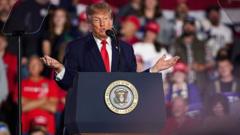
A high-intensity campaign push unfolded over the weekend as the race entered its final stretch ahead of pivotal nationwide balloting. Trump took to the trail in a series of rallies designed to energize voters in the closing hours before Tuesday's election. The late barrage underscores how intensely both political parties are contesting every potential advantage as Americans prepare to head to the polls.
The weekend schedule focused notably on territory where Republicans had found success in earlier contests. Rather than solely expanding into rival ground, the blitz brought heightened attention to maintaining support in areas that previously delivered victories for the party. Observers noted that allocating valuable final hours to shore up past strongholds highlights the narrow margins defining the electoral map.
At the center of the intense campaigning is the battle for control of the United States Congress. With legislative majorities hanging by threadbare margins, Tuesday's outcome will decide which party holds the gavel in the House of Representatives and the Senate. Campaign organizers have framed the final turnout effort as decisive for shifting or preserving those critical balances of power.
The determination of congressional control carries sweeping implications for the federal policy agenda and governance. A majority provides the power to advance or block key appointments, shape judicial confirmations, and dictate federal spending measures. For any administration, having an aligned or divided legislature dramatically alters what can be achieved through statutory action.
Final-weekend rallies traditionally serve to galvanize party faithful and ensure core supporters cast their ballots without delay. Organizers rely heavily on these large-scale gatherings to generate local media momentum and energize regional volunteer networks in the critical remaining hours. In contests decided by narrow margins, marginal shifts in base turnout can easily outweigh late conversions of undecided voters.
The decision to focus heavily on previously won areas points to defensive necessities alongside offensive ambitions. Shifting political dynamics and changing demographics have made several traditional strongholds more competitive than in prior election cycles. As a result, campaigns frequently find themselves compelled to spend crucial time reinforcing foundation support rather than branching out toward uncertain battlegrounds.
Campaign messaging across these final events has centered squarely on urging citizens to make their voices heard on election day. Both major political camps have warned their supporters against complacency, stressing that turnout rates will ultimately dictate the nation's political trajectory. Voters across the country are facing saturated broadcast airwaves and persistent outreach as the mobilization drive reaches its climax.
All eyes now turn to Tuesday, when polling stations open nationwide to resolve months of relentless campaigning. Election officials will soon begin the complex process of tabulating ballots to establish which party secures working majorities in Washington. With the final arguments delivered and rallies concluded, the ultimate decision rests entirely in the hands of the electorate.
Primary source: BBC World. Newzly rewrites and structures source reporting for clarity; verify critical details at the original.