Ryanair Weighs Pay Freezes and Crew Reductions Amid Soaring Fuel Costs
Ryanair is considering pay freezes, crew reductions, and greater use of artificial intelligence to offset soaring fuel costs linked to Middle East tensions, setting up potential clashes with labor unions.
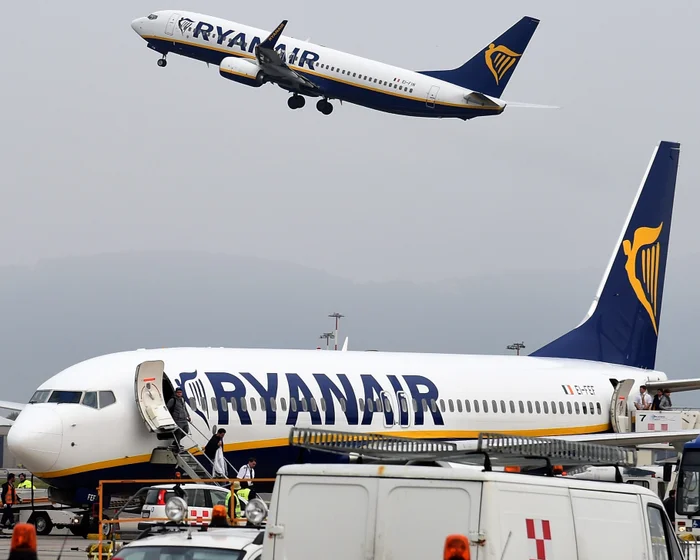
Ryanair is weighing potential pay freezes across its operations as surging aviation fuel costs mount pressure on the European carrier. The low-cost airline indicated that the austerity measures are under active review as it seeks to control operating expenditures in an increasingly turbulent economic environment. The move sets the stage for a contentious dispute with labor unions representing flight personnel and ground staff.
Alongside a potential wage freeze, the carrier is also exploring options to reduce crew numbers aboard its flights. Management is simultaneously evaluating ways to accelerate the integration of artificial intelligence systems across its business. Together, the proposals form the backbone of a comprehensive cost-cutting drive intended to shield the company from widening margin pressures.
The immediate catalyst behind the carrier's belt-tightening plans is a sharp rise in jet fuel prices driven by escalating conflict in the Middle East. Geopolitical turmoil has rattled global energy markets and raised serious concerns over stability and transit routes in key regions, including the Strait of Hormuz. Because fuel represents one of the largest and most volatile overheads for commercial airlines, sustained price spikes quickly disrupt carrier balance sheets.
The prospect of stagnant wages has heightened the likelihood of friction with organized labor. Airline unions have historically resisted management efforts to curb compensation and staffing levels, particularly after periods of heavy operational strain on workers. Proposals that threaten either pay packets or flight deck and cabin complement are likely to encounter fierce pushback from employee representatives during upcoming negotiations.
Any push to reduce the number of onboard crew members faces significant operational and regulatory considerations. Minimum staffing requirements for commercial passenger flights are tightly governed by aviation safety authorities to ensure passenger evacuation capabilities and inflight emergency protocols. Management has not detailed how staff reductions would be configured, leaving open questions over whether such moves would involve restructuring duties or seeking regulatory exemptions.
The carrier's interest in expanding artificial intelligence reflects a broader trend among transport operators turning to automated tools to improve efficiency. While the airline has not specified which functions will see expanded automation, potential deployments across the industry often involve customer service inquiries, schedule optimization, and administrative workflows. The company is evaluating whether algorithmic tools can successfully streamline operational overhead and offset rising external costs.
For budget airlines that rely on high flight volumes and lean operational margins, managing external cost shocks without alienating travelers remains a delicate challenge. Carrier executives often face the dilemma of absorbing higher fuel expenses, passing costs onto passengers through higher ticket prices, or reducing operational spending. Ryanair's exploration of internal austerity highlights an effort to curb operational overhead rather than risking reduced passenger demand.
Airlines across the sector are watching energy market developments closely as geopolitical events continue to cloud operating outlooks. Unstable fuel prices complicate fleet budgeting and earnings targets, prompting carriers throughout international aviation to examine their expenditure strategies. While some operators rely on fuel hedging programs to cushion against volatility, sustained geopolitical unrest can eventually test even well-hedged airlines.
Looking ahead, the implementation of any proposed pay freeze or workforce restructuring will depend on forthcoming discussions between company leadership and union officials. The exact timeline for potential crew changes and artificial intelligence deployments has not yet been publicly disclosed by the airline. With energy markets remaining sensitive to geopolitical developments, industry observers will be monitoring whether management proceeds with formal austerity mandates in the coming weeks.
Primary source: The Guardian Business. Newzly rewrites and structures source reporting for clarity; verify critical details at the original.