Sadiq Khan Urges Cap on Robotaxis as UK Prepares for London Rollout
London Mayor Sadiq Khan has called for strict limits on driverless taxi fleets, warning that unmanaged autonomous vehicles could worsen traffic gridlock, threaten local jobs, and compromise air quality across the capital.
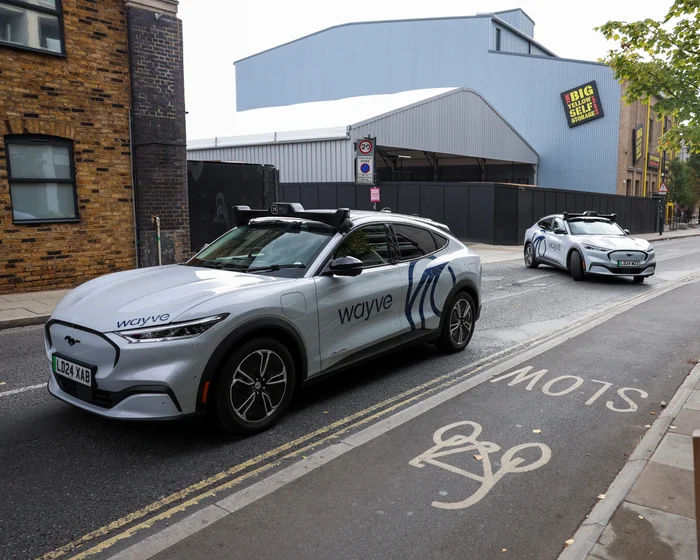
London Mayor Sadiq Khan has urged authorities to impose a cap on the number of robotaxis permitted to operate across the capital, speaking out as the UK government prepares to authorize fully driverless passenger services on public roads. The mayor warned that an uncontrolled influx of autonomous vehicles could disrupt the city's transport network without stricter oversight in place.
Addressing the looming policy shift, Khan argued that national politicians have so far failed to grasp the rapid pace of change being driven by autonomous vehicle technology. He cautioned that moving forward without comprehensive limits risks triggering unintended consequences across London's densely populated streets and arterial transit corridors.
Central to City Hall's concerns is the potential strain that commercial fleets of driverless cars could place on urban traffic. Khan highlighted the risk of worsening congestion, noting that an unmanaged rollout could undermine long-running initiatives aimed at curbing gridlock throughout central and outer London boroughs.
Environmental implications also featured prominently in the mayor's intervention. Khan explicitly questioned the broader impact that expanding robotaxi services might have on air quality, raising doubts over whether widespread autonomous fleets would support or hinder the city's ongoing clean-air benchmarks.
Beyond traffic flow and emissions, Khan pointed to the economic hazards facing transport workers across the capital. The widespread commercial introduction of automated ride-hailing services could directly threaten local livelihoods, putting pressure on professional drivers who depend on conventional taxi and private-hire sectors.
In questioning the existing regulatory framework, Khan asked whether the standards currently governing autonomous vehicle deployment remain fit for purpose. He suggested that rules drafted during earlier experimental phases may not adequately address the operational scale of nationwide or municipal commercial rollouts.
The timing of the mayor's intervention comes at a critical juncture for British transport policy, with central ministers poised to finalize statutory permissions that would open London roads to driverless passenger fleets. Transport planners and municipal leaders have watched international rollouts closely, assessing regulatory lessons from trial markets where autonomous vehicles have faced mixed public reception.
Municipal authorities in London have traditionally sought greater local jurisdiction over ride-hailing volumes, license caps, and road usage charges to protect public transit networks. Khan's call reflects a recurring tension between national innovation agendas seeking rapid commercial deployment and local administrations prioritizing street-level congestion controls.
While developers of autonomous vehicle technology often promote driverless fleets as efficient and complementary to urban mobility, local officials continue to emphasize the need for rigorous community safeguards. The debate highlights the challenge of balancing technological adoption with the preservation of existing transit jobs and surface street reliability.
As central government officials proceed toward formalizing driverless car policies, the dispute over municipal vehicle caps is expected to sharpen. Whether ministers agree to grant London City Hall devolved powers to restrict fleet sizes or choose a centralized regulatory model remains a key deciding factor for the commercial future of autonomous transit in the UK.
Primary source: The Guardian Business. Newzly rewrites and structures source reporting for clarity; verify critical details at the original.