Fashion and Tradition: How John Smedley Is Innovating in a Tough Market
Historic British knitwear maker John Smedley is navigating a challenging retail landscape by pairing eighteenth-century craftsmanship with contemporary style, supported by a skilled 230-member domestic manufacturing workforce.
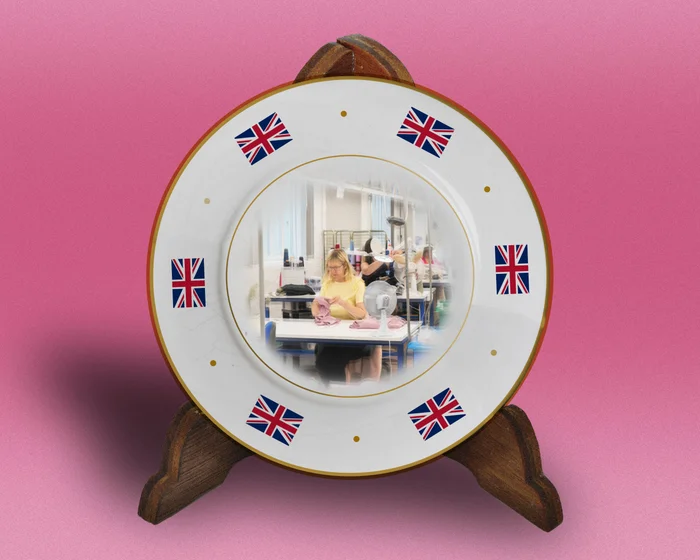
British luxury knitwear maker John Smedley is navigating a demanding retail climate by combining centuries of artisanal heritage with modern fashion appeal. Dating back to the eighteenth century, the historic label has increasingly found favor with trend-conscious consumers looking for durable, high-quality garments. At the center of its ongoing success is a 230-strong manufacturing workforce committed to sustaining fine British craftsmanship in an era dominated by offshore mass production.
Inside the workshop, the brand's adherence to traditional techniques is visible in the daily routines of its seasoned technical staff. Tina, a manufacturer with 38 years of experience at the company, demonstrates the exacting standard required to handle delicate knit fabrics. Slicing with immense skill and precision, she wields heavy cutting scissors alongside chalk and a semi-circular guide to shape garment necklines before the final trim is attached.
This level of manual benchwork illustrates why fine knitwear continues to resist total mechanization. Cutting into knitted fabric without causing runs or distortion demands steady hand-eye coordination and years of accumulated practical expertise. Company craftspeople must make calculated adjustments for tension and material weight, ensuring every piece meets rigorous luxury specifications before proceeding to assembly.
The focus on John Smedley comes as the final installment in a broader series examining high-end manufacturing across the United Kingdom. That examination has tracked how niche British operations maintain viability by prioritizing artisanal quality over volume. Featured enterprises have included Hiut Denim making jeans in Cardigan, Wales, luxury carmaker Rolls-Royce capitalizing on customisation demands, and leather goods firm Ettinger handcrafting wallets and cigar cases in Walsall.
Like its peers across the country, John Smedley operates against a complex backdrop of rising operational expenses and cautious consumer spending. While much of the global textile industry long ago migrated to lower-cost overseas centers, high-end British producers argue that keeping manufacturing close to home preserves essential heritage and exacting oversight. This localized approach allows workshops to protect proprietary techniques that cannot be easily replicated by industrial assembly lines.
Staying relevant in contemporary fashion presents its own set of strategic tests for a brand founded more than two centuries ago. John Smedley has worked to align its historical prestige with current styling preferences, ensuring classic sweaters and cardigans appeal to modern wardrobes. Observers note that enduring apparel houses must constantly modernize fits and aesthetics while preserving the core qualities that established their reputation in the first place.
Sustaining a domestic workforce of 230 people also demands a steady customer base willing to invest in premium craftsmanship. In an uncertain economic climate marked by inflationary pressures on household budgets, luxury producers must consistently justify their higher price points through longevity and provenance. For British garment workers, preserving these specialized trades is as much an economic necessity as a point of cultural pride.
The interplay between traditional handcrafting and market adaptation remains the defining factor for the future of British luxury fashion. While advanced automated equipment assists with base knitting, final finishing still relies heavily on the tactile judgment of experienced artisans. Maintaining this balance enables historic producers to deliver distinctive garments that stand apart from mass-market apparel.
Looking ahead, the long-term outlook for John Smedley and similar heritage manufacturers will depend on retaining skilled craft talent while cultivating fresh international demand. As consumer interest in sustainable fashion and authentic heritage persists, Britain's historic makers aim to prove that traditional manufacturing methods can thrive in a fast-paced global economy. The dedication of long-serving workers suggests that time-honored craft continues to hold a vital place in modern luxury.
Primary source: The Guardian Business. Newzly rewrites and structures source reporting for clarity; verify critical details at the original.