Sandpapergate: What the coaches knew
The Indian Express revisits Australia’s 2018 ball-tampering scandal and the unresolved question of what coaches Darren Lehmann, David Saker, Graeme Hick and Brad Haddin knew.
In this piece
A new Indian Express examination returns to Sandpapergate, the 2018 Cape Town ball-tampering affair, and asks what Australia’s coaches knew. Player bans and a…
The Indian Express has published a look back at Sandpapergate that centers on what Australia’s coaches knew when ball tampering was exposed during the 2018 Test series in South Africa. The piece names Darren Lehmann, David Saker, Graeme Hick and Brad Haddin, returning a long-running argument about responsibility to the coaching group around the side.
Sandpapergate is the name commonly given to events in the Cape Town Test, when cameras showed Cameron Bancroft appearing to alter the ball with a foreign substance later described as sandpaper. Captain Steve Smith said afterward that a leadership group had discussed a plan to change the condition of the ball. Cricket authorities treated the episode as a serious breach of the laws and of the team’s standards.
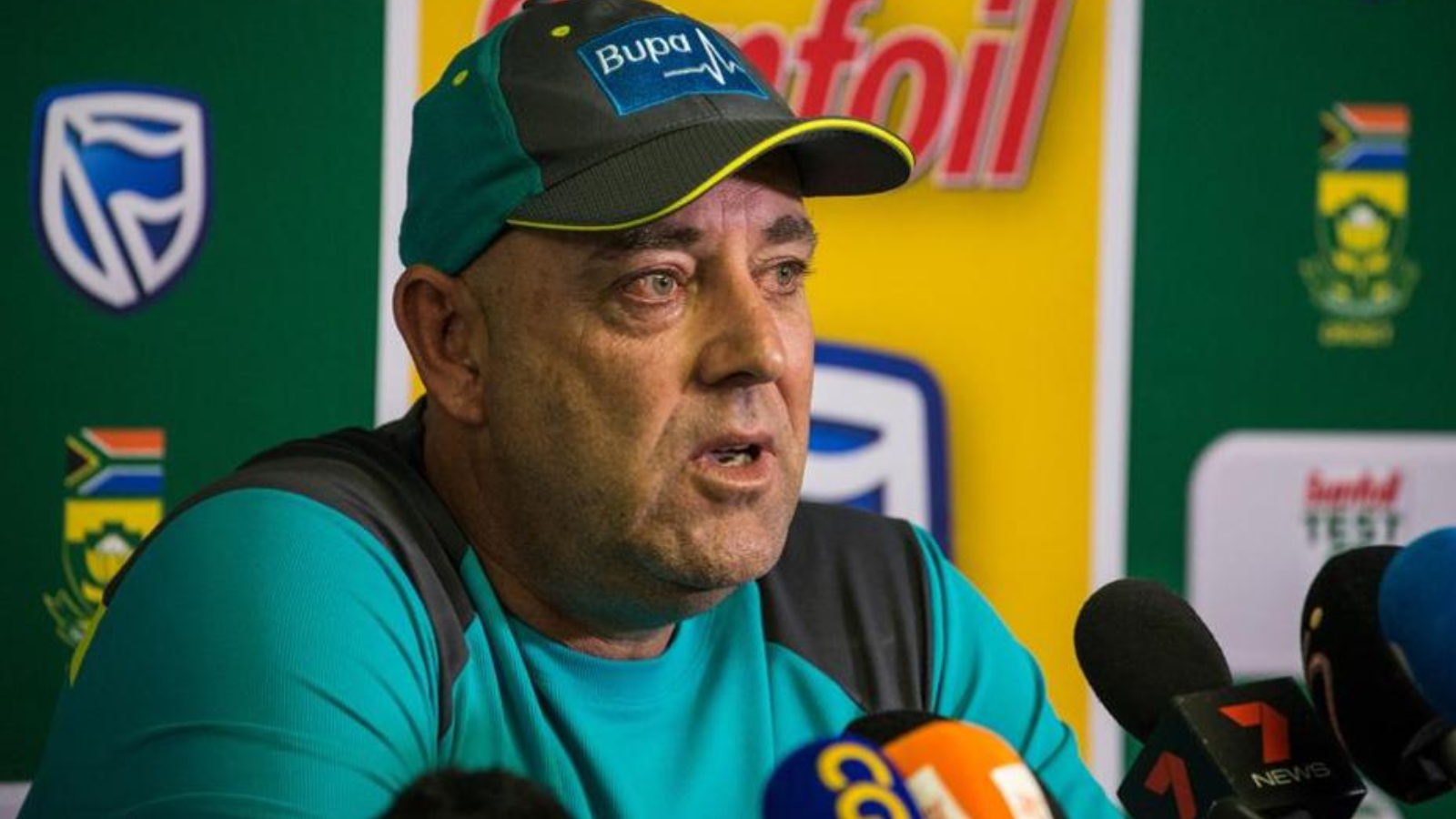
Lehmann was Australia’s head coach on that tour. In the immediate aftermath he said he had not been part of the plan, and he left the role after the series. Saker, Hick and Haddin are identified alongside him in the Express treatment as coaches whose proximity to the team places them inside the question of who knew what, and when.
The scandal’s formal weight fell on the players who were charged and sanctioned. Smith, David Warner and Bancroft were suspended by Cricket Australia, and the International Cricket Council also punished Smith and Bancroft over the on-field conduct. Those decisions made the episode a leadership crisis as well as a laws-of-cricket case, because senior players had described the plan as a group decision rather than a lone act.
Why the coaching question still matters is straightforward. The condition of the ball shapes swing and seam and, with them, the balance of a Test. If a plan to alter that condition sat only with a few players, the failure is theirs. If people responsible for preparation and standards knew earlier, the failure runs into the structure around the XI. Job title alone does not prove knowledge, and distance from the ICC charge sheet does not by itself prove ignorance.
Lehmann’s public account at the time was that he learned of the tampering when the broadcast did. He described the affair as something he would carry and stepped away. The other coaches named in the Express headline were not the players sanctioned for the Cape Town incident. Any sharper claim — that a coach directed the plan, approved it, or remained unaware — depends on statements, hearings or documents, not on inference.
Later interviews and documentary accounts from Smith, Warner and Bancroft have kept the dressing-room story in public view without producing one agreed version of every staff member’s role. Cricket Australia’s line after the bans was that the Cape Town plan came from a small group of players and that the response, including cultural reviews and leadership change, was meant to close the episode. Critics have long argued that this framing left the surrounding system under-examined.
The Indian Express piece sits in that gap. Its headline poses an evidentiary question — what the coaches knew — rather than a new on-field charge. Readers should treat specific findings, quotations and timelines inside that report as belonging to the newspaper’s sourcing. This account does not add allegations beyond the established public record of the 2018 scandal and the fact of the Express examination.
For audiences in India and elsewhere, the case remains a reference point whenever ball-tampering rows flare, because it combined a televised act, captaincy admissions and board-level punishment. Australia’s rivalry with India has kept the aftermath visible on the subcontinent long after the Newlands Test ended. The coaches’ names recurring in a fresh report shows the chain of responsibility is still treated as unfinished public business.
What happens next turns on whether that reporting, or any reply from the people named, puts new on-the-record material next to the 2018 statements. Cricket Australia has treated the player sanctions as the disciplinary endpoint. Lehmann and the banned players later returned to commentary, coaching or playing roles. Until fresher primary accounts are set out, the standing public position is the one given at the time: a leadership group devised a plan, Bancroft carried it onto the field, and the head coach said he did not know beforehand.
Primary source: The Indian Express. Newzly rewrites and structures source reporting for clarity; verify critical details at the original.