Senate Passes Bipartisan DEATH BETS Act to Outlaw War and Death Prediction Contracts
The U.S. Senate has approved bipartisan legislation barring prediction market platforms from listing contracts tied to war, terrorism, assassination, and individual deaths, signaling sharper federal oversight of speculative event trading.
In this piece
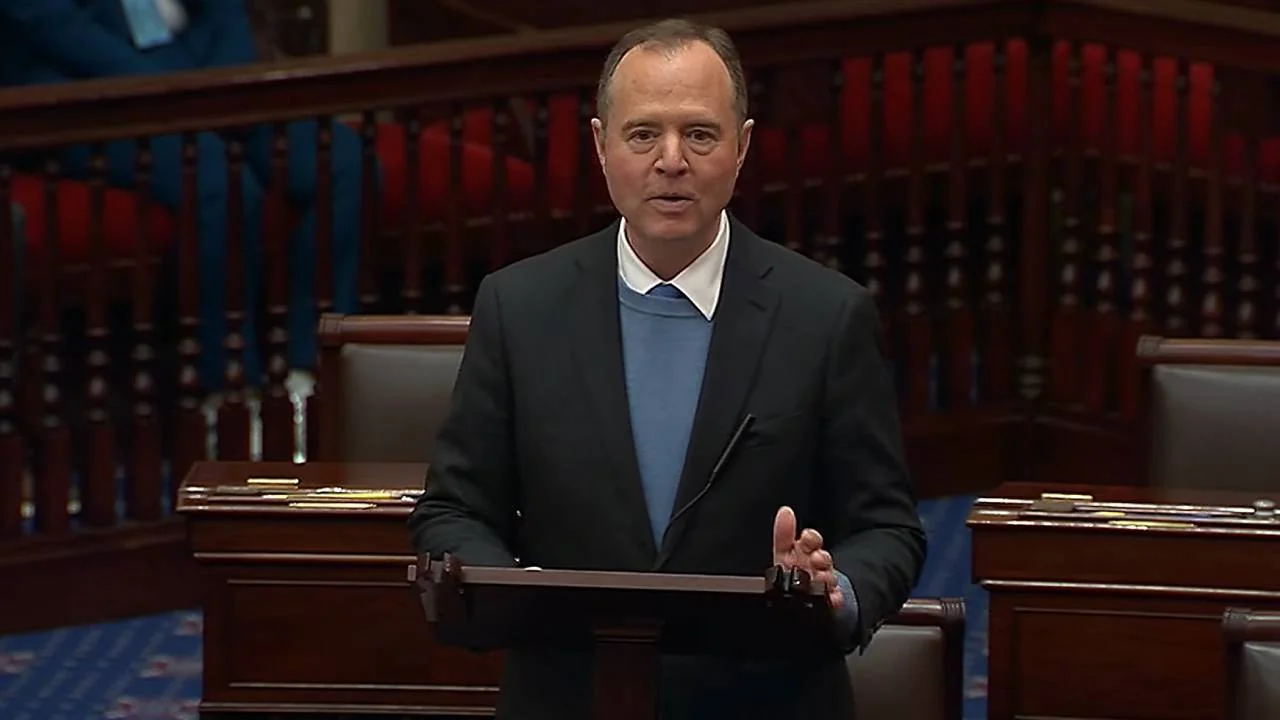
The U.S. Senate has passed the bipartisan DEATH BETS Act, sponsored by Senators Adam Schiff and John Curtis, to outlaw prediction contracts on war, terrorism,…
The United States Senate has passed the DEATH BETS Act in a bipartisan vote, moving to outlaw prediction market contracts tied to armed conflict, violence, and human mortality. The legislation targets commercial wagering and financial platforms that allow participants to trade contracts based on real-world crises, military escalation, and fatal events.
The bill was introduced by Democratic Senator Adam Schiff of California and co-sponsored by Republican Senator John Curtis of Utah. Under its terms, the measure enacts a strict statutory ban on the introduction and trading of prediction contracts that deal with terrorism, assassination, war, or the death of an individual.
The legislative action responds directly to the rapid emergence and growth of prediction market platforms. While operators have promoted these exchanges as innovative tools for forecasting elections and macroeconomic trends, the listing of contracts tied to geopolitical violence and mortal danger has provoked sharp concern among federal officials.
Lawmakers backing the measure have warned that allowing financial speculation on lethal outcomes introduces severe ethical hazards and perverse incentives. Sponsoring senators emphasized that financial exchanges must not provide a mechanism for traders to profit from national security emergencies, violent attacks, or the loss of human life.
Beyond the specific prohibitions on conflict and mortality, the passage of the bill hints at significantly increased congressional oversight across the broader prediction market ecosystem. The sector has operated under evolving regulatory scrutiny, with lawmakers increasingly questioning whether existing derivative rules adequately address novel event-driven contracts.
The joint sponsorship between Schiff and Curtis illustrates a rare point of bipartisan unity on the regulation of emerging financial products. Both parties have expressed wariness over the societal risks of unconstrained wagering platforms, signaling that lawmakers are prepared to intervene when market innovation encroaches on basic ethical boundaries.
If enacted, the restrictions are expected to compel prediction market operators to tighten compliance protocols and contract screening standards. Exchange providers that facilitate wagering on real-world outcomes will have to ensure that their offerings strictly exclude any propositions linked to warfare, political violence, or fatal incidents.
Legal and financial analysts note that the vote establishes a definitive congressional posture against war-related derivatives as the industry expands. By writing explicit exclusions into federal law, the statute aims to provide clear legal boundaries rather than relying entirely on administrative rulemaking or piecemeal enforcement actions.
Following its passage in the Senate, the bill moves forward in the legislative pipeline as industry participants monitor how federal regulators interpret its enforcement provisions. The decisive Senate vote reflects a clear determination by lawmakers to rein in speculative contracts that intersect with violence, human suffering, and national security threats.
Primary source: Bitcoin.com News. Newzly rewrites and structures source reporting for clarity; verify critical details at the original.