Senate Passes Bipartisan Energy Bill to Speed Approvals for Power Plants and Data Centers
The Senate has approved a bipartisan measure to speed up approvals for power plants and data centers as surging energy demand from artificial intelligence and rising household utility bills strain the nation's power grid.
In this piece
The U.S. Senate passed a bipartisan energy bill designed to fast-track approvals for power plants and data centers amid surging demand from artificial…
The United States Senate has passed a bipartisan energy bill designed to accelerate the approval process for new power plants and data centers. The legislative breakthrough arrives as household budgets face mounting pressure from rising electricity bills across the country. Lawmakers moved to advance the package following months of negotiations focused on balancing growing commercial energy needs with broader economic concerns.
The legislation reflects a rare point of cross-aisle consensus on Capitol Hill over the urgency of modernizing federal permitting procedures. Backers from both parties emphasized that long-standing bureaucratic delays have impeded the construction of essential generation and transmission facilities. By expediting formal approvals, congressional leaders hope to clear backlogs that have slowed major infrastructure deployments nationwide.
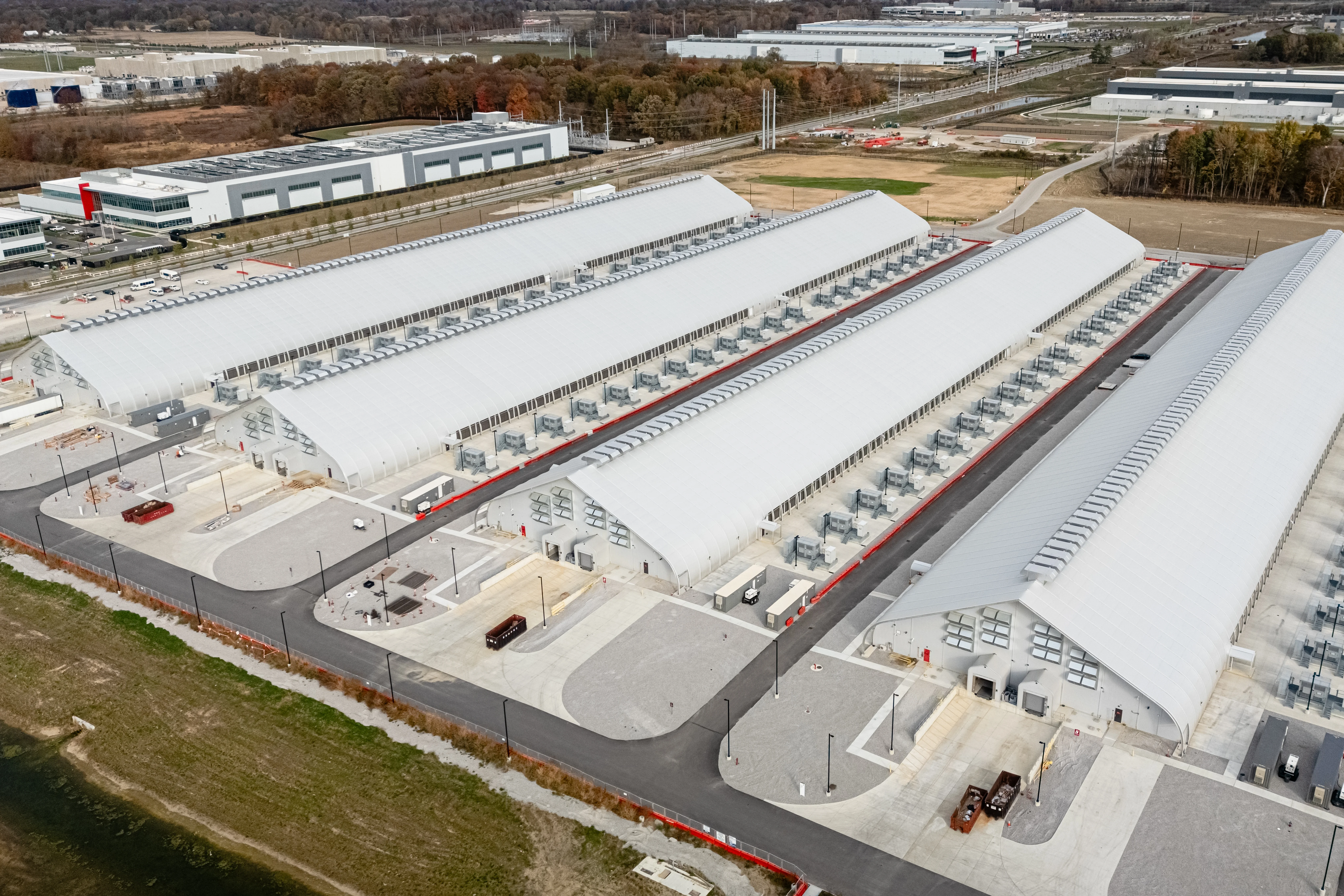
A primary catalyst for the bill is the rapid expansion of artificial intelligence technologies, which require immense computational power and continuous electrical supply. High-density data centers operating advanced computing clusters consume extraordinary amounts of electricity compared to conventional commercial facilities. Technology companies and utility operators have warned that existing grid resources cannot accommodate projected computing growth without substantial, expedited development.
The legislative push unfolds against a backdrop of widespread consumer frustration over high utility expenses. Households in multiple regions have weathered notable increases in residential electricity rates driven by supply constraints, capital upgrades, and broader inflation. Advocates of the bill argue that expanding the domestic generation fleet more quickly will introduce fresh supply and ultimately mitigate sustained price spikes.
Despite clearing the chamber with bipartisan backing, the measure has drawn sharp scrutiny from environmental and conservation organizations. Critics argue that truncating regulatory reviews could weaken environmental safeguards and curtail comprehensive evaluations of ecological damage. Opponents have also raised alarms regarding the potential extension of fossil-fuel reliance to meet immediate high-volume electricity demands.
Supporters in the Senate maintained that the legislation aims to improve administrative efficiency rather than dismantle foundational protections. Proponents argued that current review timelines often stall clean energy and advanced infrastructure projects just as severely as traditional facilities. In their view, reforming the regulatory framework is necessary to achieve both long-term energy transition goals and immediate reliability.
The policy debate touches on fundamental questions about how the American power grid can withstand the twin challenges of electrification and technological demand. Grid operators have repeatedly cautioned that interconnection queues are overburdened, leaving critical projects waiting years for grid integration. Accelerating the statutory review process is seen by proponents as a crucial step toward creating a more responsive energy ecosystem.
For the technology and energy sectors, the bill marks a significant regulatory milestone that could shape investment strategies for years to come. Corporate developers seeking to build large-scale data campuses have increasingly prioritized access to reliable, abundant power when selecting project sites. A more predictable federal permitting process could provide companies with greater certainty as they plan multi-billion-dollar computing and generation facilities.
Following its approval in the Senate, the energy measure faces further legislative steps before it can be enacted into law. Observers anticipate that the path forward will involve ongoing debate over how federal agencies execute the streamlined rules while addressing potential legal challenges from environmental advocates. For now, the bill stands as a prominent attempt to reconcile rising technological power consumption with escalating consumer energy costs.
Primary source: NPR News. Newzly rewrites and structures source reporting for clarity; verify critical details at the original.