Senators Warren and Curtis Press Kalshi and Polymarket on Election Insider Trading
U.S. Senators Elizabeth Warren and John Curtis have demanded answers from prediction platforms Kalshi and Polymarket over insider trading safeguards, setting an Election Day deadline to address concerns about political betting manipulation.
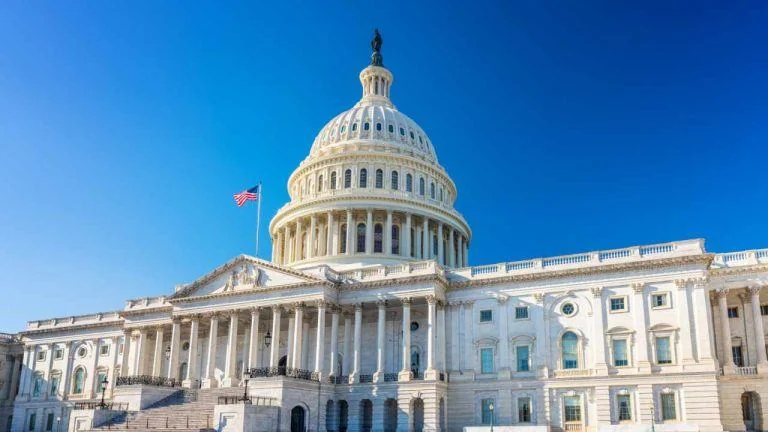
A bipartisan pair of United States senators has launched an inquiry into major prediction market platforms Kalshi and Polymarket, demanding comprehensive disclosures on how the companies detect and prevent insider trading on political contracts. In a joint letter sent to Kalshi chief executive Tarek Mansour and Polymarket chief executive Shayne Coplan, Senator Elizabeth Warren, Democrat of Massachusetts, and Senator John Curtis, Republican of Utah, raised urgent alarms over potential market manipulation ahead of federal elections.
The lawmakers presented the two companies with seven detailed questions, establishing a firm November 3 deadline for written responses. The inquiry seeks clarity on surveillance mechanisms designed to block material nonpublic information from distorting election odds, as well as specific procedures for reporting suspicious activity to federal regulators.
In their letter, Warren and Curtis highlighted documented vulnerabilities in prediction markets, citing past instances where political candidates traded on contracts tied to their own races. Lawmakers stressed that individuals with direct control over campaign operations possess an unfair informational advantage that can undermine market fairness and compromise public confidence.
The senators also pointed to concerns regarding trading volume manipulation, including suspected wash trading on Polymarket’s decentralized election contracts. Such practices involve participants trading with themselves or colluding to create an artificial appearance of liquidity and intense public interest, potentially swaying outside perceptions of a candidate’s electoral viability.
Beyond candidate actions, the inquiry focused on the potential exploitation of privileged campaign data, such as private internal polling and advance strategy announcements. Warren and Curtis questioned whether campaign operatives, pollsters, or political consultants could profit from advance knowledge of key developments before those details reach the electorate.
A central component of the congressional demand involves distinguishing between proactive safeguards and retroactive enforcement. The senators requested that Kalshi and Polymarket clarify how many suspected violations were identified and halted before trades executed, compared to infractions uncovered only after transactions had cleared through their systems.
The lawmakers also asked both platforms to disclose the precise number of insider trading or manipulation cases referred to the Commodity Futures Trading Commission or other law enforcement agencies since January 1, 2026. This data point aims to establish whether internal compliance teams are actively collaborating with federal oversight bodies to penalize bad actors.
The scrutiny comes as election betting platforms occupy an increasingly prominent role in mainstream political commentary and media reporting. Warren and Curtis warned that because odds and price movements are frequently cited by news outlets to assess political momentum, manipulated contracts can distort the public's understanding of electoral dynamics and improperly influence voter sentiment.
Prediction markets have faced intensifying regulatory and legal challenges across the United States over whether political event contracts serve a legitimate hedging purpose or constitute illegal gambling on democratic processes. While Kalshi secured a landmark court ruling allowing it to list congressional contracts under CFTC oversight, offshore and crypto-based platforms like Polymarket have operated under distinct jurisdictional and compliance constraints.
With the November 3 deadline approaching, the responses from Kalshi and Polymarket could help determine whether Capitol Hill pursues new statutory guardrails or urges administrative agencies to tighten oversight of political derivatives. How the platforms demonstrate their ability to police campaign insiders and maintain transparent books will serve as a crucial test for the rapidly expanding industry.
Primary source: Bitcoin.com News. Newzly rewrites and structures source reporting for clarity; verify critical details at the original.