Sensex Plunges 1,483 Points, Nifty Slides 450 as Global Rout Erases ₹5.24 Lakh Crore
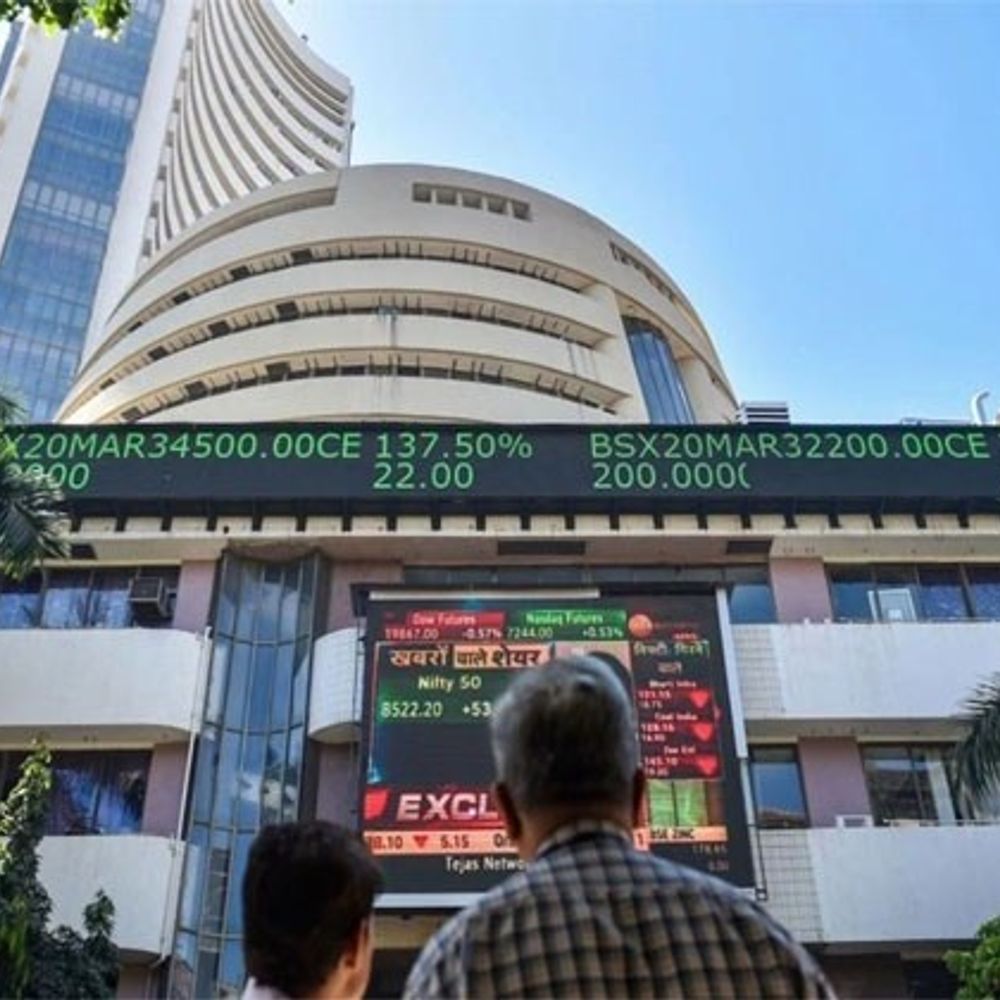
Indian stock indices suffered a steep plunge as the Sensex dropped 1,483 points to close at 82,435 and the Nifty fell 450 points, erasing ₹5.24 lakh crore in investor wealth amid global market weakness.
In this piece
Indian equity benchmarks witnessed sharp losses following a rout across global bourses, wiping out ₹5.24 lakh crore in investor wealth. The BSE Sensex tumbled…
Indian equity benchmarks suffered a sharp correction, with domestic headline indices tumbling heavily under the weight of weak international cues. The benchmark BSE Sensex plunged 1,483 points to settle at 82,435 by the closing bell, reflecting widespread risk aversion across trading desks. Simultaneously, the broader NSE Nifty tumbled by roughly 450 points, registering one of its steeper single-day declines in recent trading history.
The aggressive sell-off triggered an enormous erosion of portfolio values, wiping out approximately ₹5.24 lakh crore in investor wealth over the course of the session. The cumulative market capitalization of listed firms contracted sharply as selling momentum picked up pace during midday dealings. Market participants witnessed rapid drawdowns across major holdings, with declines cutting deeply across blue-chip counters and broader equities alike.
Market commentators and analysts linked the severe retreat directly to an adverse environment across international financial bourses. Weak overnight signals from major overseas markets set a negative tone from the opening tick, which deepened as foreign bourses extended their losses. Concerns surrounding global economic conditions and persistent macroeconomic uncertainties appeared to damp risk appetites across emerging market equities.
The selling wave proved widespread and left few segments unscathed throughout the trading hours. While defensive pockets attempted to limit broader damage, frontline stocks across heavyweight sectors experienced steady liquidations as institutional participants adjusted their exposures. The pervasive downturn left market breadth decisively skewed in favor of declining shares, illustrating the broad nature of the retreat.
The rapid loss of more than ₹5.24 lakh crore in national investor wealth highlights the acute vulnerability of domestic benchmarks to international headwinds. Even as domestic participation has historically offered support during isolated dips, synchronized global sell-offs continue to exert tremendous gravitational pull on Indian asset valuations. Buyers largely remained on the sidelines, waiting for clearer signs of price stabilization before deploying fresh capital.
Trading desks observed that the lack of buying momentum at lower price levels exacerbated the intraday slide. Whenever domestic indices attempted mild technical rebounds, sellers quickly stepped in to offload positions and lock in liquidity. This pattern of persistent selling into brief intraday bounces indicated that institutional participants were prioritizing risk mitigation over bargain hunting.
The sharp decline also reflects the broader fragility of equity markets during periods of elevated international volatility. When benchmark indices experience swings of this magnitude, institutional investors often recalibrate their leverage and portfolio allocations. This conservative posture tends to restrict liquidity in secondary markets, compounding the downward momentum on key index constituents.
Financial analysts point out that while periodic corrections are a standard feature of equity cycles, drops of over 1,400 points on the Sensex inevitably weigh on broader retail confidence. Sustained foreign fund outflows and broader geopolitical or macroeconomic headwinds often complicate swift recoveries. Consequently, market participants are paying closer attention to risk management rather than speculative positioning in the immediate aftermath.
Looking ahead, market participants will be monitoring the behavior of overseas exchanges and forthcoming macroeconomic data points for directional clarity. The ability of the Sensex and Nifty to establish a solid base will depend significantly on whether global market sentiment stabilizes in the coming sessions. Until foreign cues turn constructive, domestic indices are anticipated to remain sensitive to global developments and volatile trading conditions.
Primary source: Divya Bhaskar Business. Newzly rewrites and structures source reporting for clarity; verify critical details at the original.