Severe Rain and Flood Alerts Issued for Greece and Turkey as Cyclone Arnab Hits India
Deadly storms have triggered severe flood warnings across central Greece and western Turkey following a fatal tornado in Antalya, while Cyclone Arnab forced mass evacuations in eastern India.
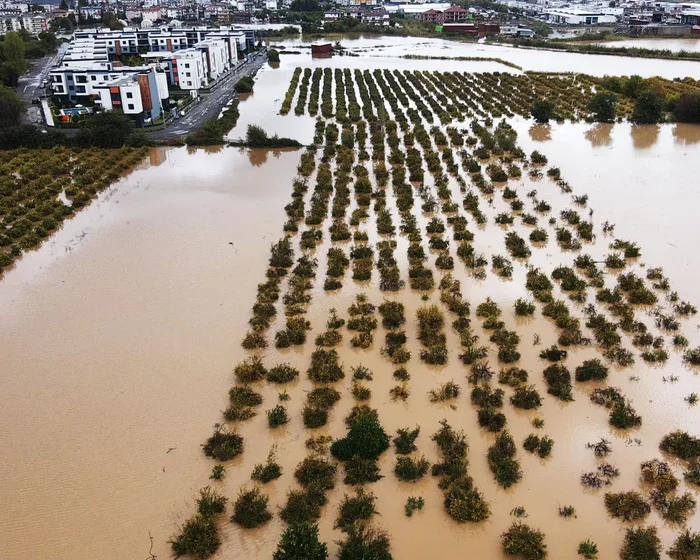
Severe rainfall and flood warnings remain in effect across central Greece and western Turkey as an unsettled weather system unleashes powerful thunderstorms and damaging winds across the eastern Mediterranean basin. Meteorological authorities in both nations have urged residents in vulnerable low-lying zones to exercise heightened vigilance as persistent downpours threaten to overwhelm local drainage infrastructure and trigger rapid surface runoff.
The hazardous conditions have already turned fatal in southwestern Turkey, where an intense squall line spawned a destructive tornado in the coastal city of Antalya on Tuesday. Local authorities confirmed that the sudden vortex struck an active work site, resulting in the deaths of four construction workers and causing localized structural destruction before moving out over the surrounding terrain.
Forecasters attribute the ongoing wave of severe instability across southeastern Europe to an expansive area of low pressure lingering over the broader region. The persistent atmospheric trough continues to draw warm, moisture-laden air northward from the Mediterranean Sea, establishing optimal thermodynamic conditions for recurring clusters of deep convective storms and localized gale-force gusts over both land and coastal waters.
Government agencies and national weather bureaus across both Greece and Turkey have warned that an additional 100 to 150 millimeters, or roughly 4 to 6 inches, of rainfall is expected to accumulate this week across central Greece and western Turkish provinces. Hydrologists cautioned that topographically exposed zones and mountainous terrain could see localized totals climb significantly higher, substantially elevating the danger of flash flooding and overflowing river catchments.
Civil protection agencies across Greek municipalities have mobilized response personnel and deployed heavy drainage equipment to keep primary transit corridors and low-lying transit junctions accessible. Similar emergency protocols are active across western Turkey, where regional disaster coordination teams are closely monitoring susceptible hillsides and urban watercourses to mitigate the hazards posed by sudden inundation.
Meanwhile, severe meteorological extremes are also driving acute disruption further east in South Asia, where violent tropical storm activity recently struck vulnerable coastal populations along the Bay of Bengal. Intense winds and torrential downpours battered the eastern Indian states of Odisha and Andhra Pradesh after Cyclone Arnab pushed ashore with devastating strength.
Coastal monitoring stations recorded wind gusts exceeding 85 miles per hour, or approximately 140 kilometers per hour, alongside drenching rainfall totals that surpassed 200 millimeters in multiple affected districts. The incoming cyclone prompted government officials to conduct massive emergency mobilizations, evacuating more than 180,000 people from low-lying coastal belts into reinforced cyclone relief centers and temporary shelters.
Despite the widespread precautionary evacuations, the cyclone inflicted severe impacts on public infrastructure throughout the eastern coastal belt. Damaging winds and rising floodwaters caused extensive disruptions across regional energy grids, snapping distribution lines, uprooting trees, and severing vital road and rail transport links across several transport corridors.
Meteorological projections indicate that Cyclone Arnab will steadily lose intensity as it tracks further inland and heads northward across the subcontinent over the coming days. Nevertheless, weather agencies warn that the system's expansive remnant moisture will continue to produce heavy rainfall across parts of northern and central India, maintaining an ongoing risk of localized flooding and prolonged agricultural and travel delays.
Primary source: The Guardian World. Newzly rewrites and structures source reporting for clarity; verify critical details at the original.