world·New York·New York County
Severe Thanksgiving Storms Threaten Millions of Travelers Nationwide and Macy’s Parade
Dual coastal storms and high winds threaten Thanksgiving travel across the United States, raising concerns over widespread flight delays, hazardous highways, and the annual Macy’s parade.
In this piece
Severe storms developing across both U.S. coasts are threatening widespread travel disruptions for millions of Thanksgiving travelers. High winds and heavy rain…
Millions of travelers embarking on Thanksgiving journeys across the United States face severe weather disruptions as a pair of coastal storm systems takes aim at both sides of the country. Transportation networks and regional forecasters are monitoring turbulent conditions expected to complicate highway commutes and commercial airline schedules during one of the year’s most congested travel corridors.
Along the Eastern Seaboard, meteorologists have warned of incoming rain and elevated wind conditions that threaten to snarl transit across the mid-Atlantic and Northeast. Regional alerts in hubs such as the greater Philadelphia area point to heavy precipitation and gusty air that could hamper departures leading directly into the holiday.
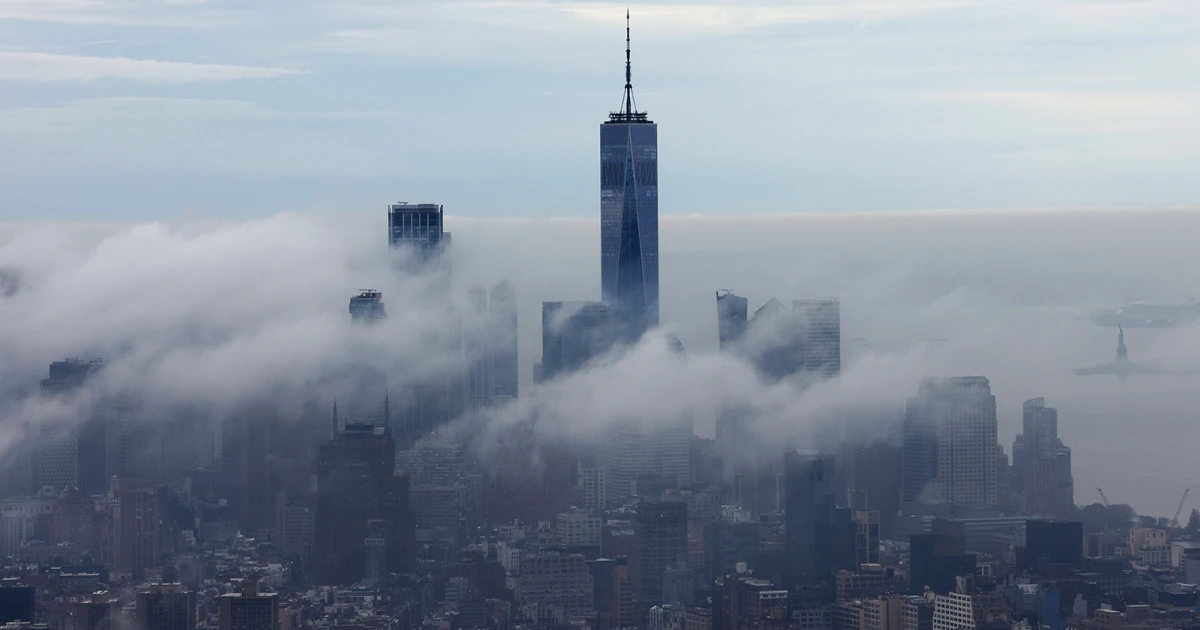
In New York City, municipal officials and parade spectators are watching closely to determine whether the incoming coastal system will interfere with the annual Macy’s Thanksgiving Day Parade. City safety guidelines strictly limit the deployment of giant novelty balloons when sustained winds or sudden gusts cross designated thresholds, raising questions about whether the inflatables will remain grounded.
Forecasters noted that adverse conditions are not limited to the East, with active systems tracking along both coasts simultaneously. The dual-coast setup places additional pressure on nationwide transit infrastructure, creating a compounding effect that can disrupt travel corridors far from the center of either storm.
Aviation hubs began closely tracking flight statuses as live updates indicated early delays spreading through busy departure facilities. With commercial aircraft flying near capacity over the holiday week, even localized ground stops or rerouting orders can quickly produce domino effects for connecting passengers nationwide.
Automobile traffic is also bracing for significant friction, with millions of drivers expected to navigate wet pavements and reduced visibility on primary interstate highways. Highway patrols and transportation departments throughout the affected corridors have urged motorists to monitor real-time updates and exercise caution against hydroplaning and localized ponding.
The timing of the storm systems arrives during what transit agencies traditionally classify as the highest-volume passenger period of the autumn season. When severe coastal fronts converge with peak holiday departure windows, transit operators are left with minimal operational cushion to absorb weather-related setbacks.
For the Macy’s parade, final determinations regarding balloon safety are traditionally made on the morning of the event based on real-time measurements recorded at multiple points along the Manhattan route. Organizers and emergency personnel coordinate to assess whether gusts pose structural hazards to ground handlers or spectators lining the avenues.
As travelers push forward with holiday plans, forecasters and transportation officials recommend that the public maintain flexibility and verify carrier schedules before heading to terminals. With unsettled patterns expected to linger, attention is already turning to how subsequent weather waves might affect the return rush later in the weekend.
Primary source: Google News U.S.. Newzly rewrites and structures source reporting for clarity; verify critical details at the original.