Severe U.S. Storm Cuts Power to 900,000 Homes and Snarls Over 2,200 Flights
A fierce storm system battered the United States, leaving roughly 900,000 homes without power, grounding or delaying more than 2,200 flights, and threatening coastal regions with 14-year peak water levels.
In this piece
A violent storm across the United States has severed electrical power for an estimated 900,000 households and snarled national aviation with over 2,200…
A severe storm system has battered parts of the United States, knocking out electrical service to roughly 900,000 households and throwing nationwide transportation networks into disarray. The fierce weather front has forced commercial aviation into widespread delays and triggered urgent warnings for vulnerable coastal communities. Emergency response teams and utility operators are mobilizing as local authorities assess the scale of disruption left in the tempest's wake.
Air travel has borne a significant brunt of the storm's initial impact, with at least 400 flights grounded and more than 1,800 departures facing extensive delays across affected air hubs. Terminal bottlenecks quickly escalated as heavy precipitation and hazardous wind conditions complicated takeoff and landing operations. Major passenger corridors experienced cascading schedule disruptions, leaving thousands of travelers stranded or searching for rebooking options.
The electrical grid suffered heavy strain as torrential rains and aggressive wind gusts brought down distribution lines and damaged critical infrastructure, plunging an estimated 900,000 homes into darkness. Power utility providers reported widespread equipment failures across impacted regions, dispatching field crews to survey the grid under treacherous operating conditions. Restoration personnel face ongoing challenges as persisting gales and compromised roadways slow access to downed electrical equipment.
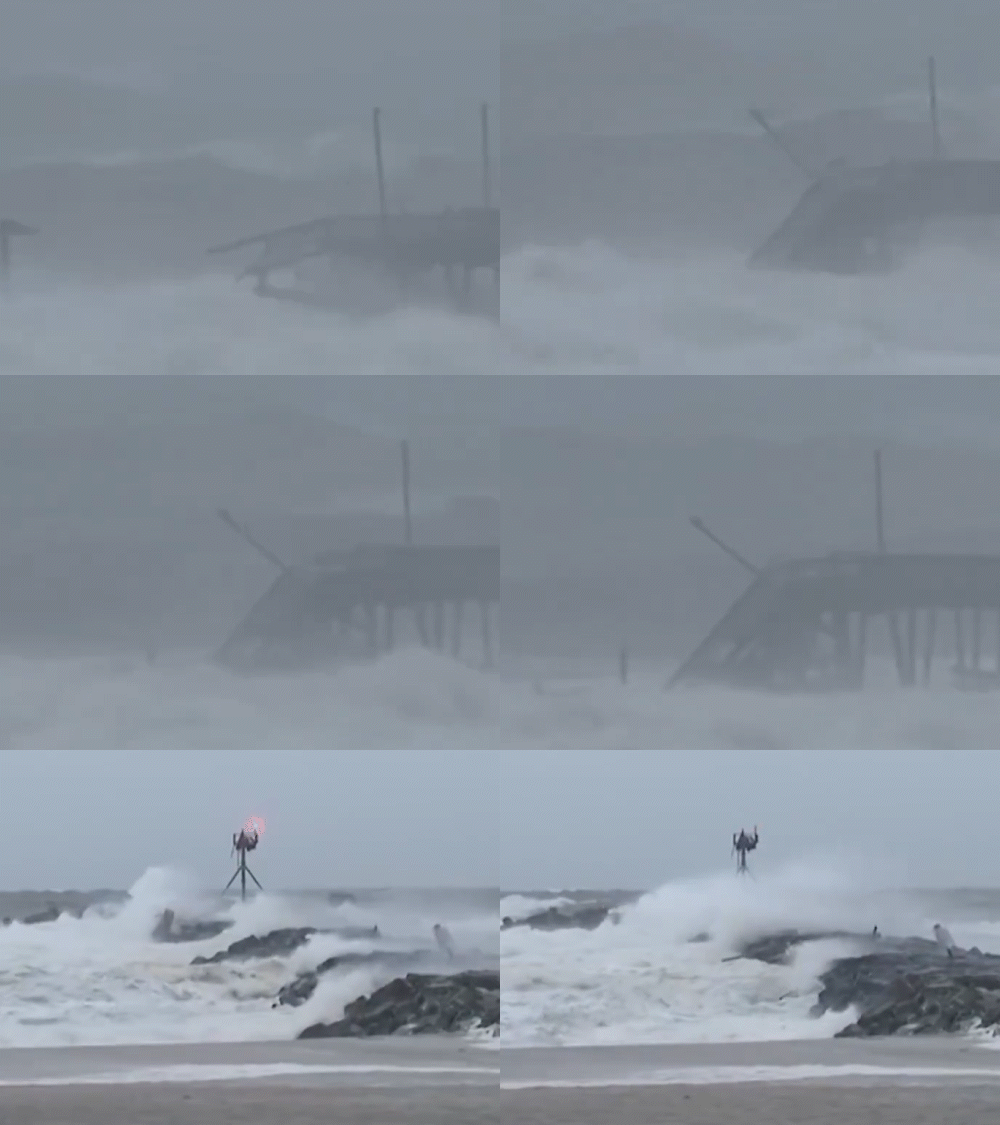
Beyond aviation disruptions and power blackouts, meteorologists and maritime monitoring services have raised severe alarms regarding unprecedented coastal surge levels. Projections indicate that storm tides and turbulent sea waters could reach their highest levels in 14 years along exposed shorelines. Such elevated water marks present severe risks of saltwater inundation for low-lying coastal neighborhoods, maritime facilities, and shoreline road networks.
Severe weather systems generating sustained gale-force winds frequently push ocean waters deep inland, exacerbating high-tide cycles and overwhelming local stormwater barriers. For communities located in vulnerable low-lying districts, a 14-year tidal peak presents a direct threat to residential property, civic utilities, and drainage corridors. Coastal monitoring agencies continue tracking the exact timing of approaching tidal peaks, warning residents in shore zones to prepare for dangerous inundation.
The convergence of blackout conditions, grounded flights, and advancing seawater creates a compounding emergency for public infrastructure and everyday services. Municipal departments have urged residents to exercise extreme caution on roads, as submerged underpasses, unpowered traffic signals, and scattered debris present hazardous travel conditions. Commercial supply chains and delivery logistics have also experienced interruptions as transit hubs manage safety protocols during peak weather impacts.
Local emergency agencies have advised households in affected areas to secure personal property, maintain emergency power reserves, and avoid traversing floodwaters. Public service announcements have emphasized the danger of downed wires and unstable coastal bluffs during periods of heightened tidal action. Disaster preparedness coordinators stress that lingering waterlogged conditions could prolong the duration of local hazards even after the primary storm center passes.
Utility companies expect recovery efforts to unfold in phased stages, prioritizing vital community infrastructure such as hospitals, emergency centers, and municipal pumping stations. Full restoration of power to all 900,000 affected customers may take considerable time, depending on weather stabilization and the physical extent of fallen timber and damaged transformers. Field repair personnel continue to monitor local atmospheric conditions before safely deploying heavy bucket trucks and replacing downed distribution poles.
Airline operators and transit agencies are actively formulating recovery schedules, working to reposition aircraft, crews, and ground equipment once operational clearance is granted. Ground stops and air traffic management programs are expected to ease gradually as the system begins to track away from major transit corridors. Travelers have been instructed to verify flight status updates directly with carriers before making trips to regional terminals.
In the immediate hours ahead, civic authorities and meteorological agencies will closely observe shifting tide cycles and wind vectors to gauge whether coastal water levels peak as severely as anticipated. While communities brace for potential high-water marks, local recovery teams remain deployed to mitigate structural losses and stabilize neighborhood services. The coming days will test the resilience of regional emergency resources as clean-up operations gain momentum and residents begin assessing the aftermath.
Primary source: Divya Bhaskar International. Newzly rewrites and structures source reporting for clarity; verify critical details at the original.