Smithsonian History names its 10 favorite history books of 2026
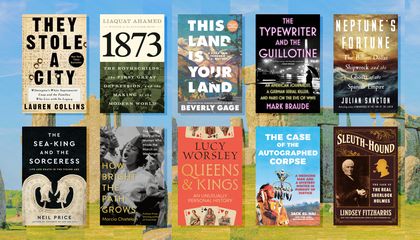
Smithsonian History’s year-end list highlights titles that recover overlooked pasts and trace how the United States arrived at its present. The magazine has not published the individual selections in the brief available here.
In this piece
Smithsonian History has framed its 10 best history books of 2026 as works that revive neglected stories and examine how the United States reached its current…
Smithsonian History has published a year-end selection titled “The Ten Best History Books of 2026,” describing the chosen titles as books that resurrect overlooked histories and examine how the United States ended up where it is today.
The notice, carried under the magazine’s history coverage, presents the list as a set of favorites rather than a formal ranking with scores or sales data. In the material available here, the magazine does not name the ten books, their authors, publishers, or publication dates.
That framing still signals a clear editorial interest. “Overlooked histories” points toward subjects, communities, or episodes that standard narratives have treated lightly, while the second half of the description ties the list to the American present—how earlier decisions, conflicts, and institutions shape the country now.
Smithsonian Magazine has long mixed reported features with curated reading lists in its history section. Year-end book roundups of this kind typically serve readers looking for a short path through a crowded publishing season, with editors weighing originality, research, and narrative reach alongside topical relevance.
History publishing in the United States often clusters around anniversaries, political turning points, and revisions of familiar national stories. A list that stresses both recovery of neglected pasts and explanation of the present sits at the overlap of those trends, though this notice does not say which themes dominate the 2026 picks.
Without the individual entries, it is not possible to say whether the books lean toward political history, social history, biography, or global contexts for American events. Any claim about specific arguments, archives, or controversies would go beyond what Smithsonian History states in the summary.
The piece matters as a signal of what a major history desk considers worth a reader’s time at the close of 2026. Lists from established magazines can steer library orders, classroom syllabi, and holiday buying, even when they do not claim to measure the year’s full output.
Readers who want the actual ten titles will need the full Smithsonian History feature. The short description confirms the count, the year, and the editorial purpose; it does not substitute for the list itself.
What happens next is straightforward. The magazine’s page remains the source for the selections and for any commentary the editors attach to each book. Until those entries are read in full, the safest account is the one Smithsonian History already gives: favorite titles that bring overlooked histories forward and ask how the United States arrived at its present.
Primary source: Smithsonian History. Newzly rewrites and structures source reporting for clarity; verify critical details at the original.