Smithsonian Magazine names its ten best history books of 2026
Smithsonian Magazine has published its year-end list of ten favorite history books, highlighting titles that recover overlooked pasts and trace how the United States arrived at its present.
In this piece
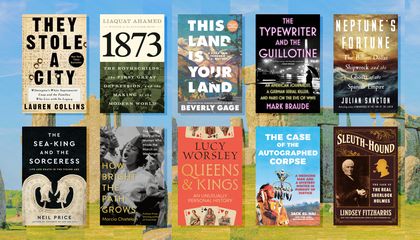
Smithsonian Magazine’s 2026 history roundup names ten favorite books that, the magazine says, resurrect overlooked histories and examine how the United States…
Smithsonian Magazine has released its selection of the ten best history books of 2026, framing the list as a set of favorite titles that bring neglected stories back into view and ask how the United States reached its current moment.
The magazine’s own description of the roundup is brief and pointed. It says the year’s favorite titles “resurrect overlooked histories and examine how the United States ended up where it is today.” That pairing—recovery of what has been left out, and explanation of the present through the past—is the only editorial thesis the announcement supplies.
The piece appears under Smithsonian’s history coverage and is presented as a staff selection of favorite books rather than a comprehensive survey of everything published in the field. Readers looking for a full canon of 2026 historical scholarship will not find that claim in the magazine’s summary; the list is explicitly a favorites list.
Year-end book lists of this kind sit at the intersection of criticism and public history. They steer general readers toward a handful of titles at a moment when new releases compete for attention, and they signal which themes editors believe defined the publishing year. In this case, Smithsonian is signaling two themes: histories that have been overlooked, and accounts that connect earlier events to the condition of the United States now.
What the magazine has not put in the short public summary is a breakdown of individual arguments, methods, or time periods. The announcement does not, in the material released with the headline, specify which books made the ten, which authors wrote them, or how the editors weighed narrative history against archival scholarship. Any ranking logic beyond “favorite titles” is not stated there.
That thin framing still carries a clear editorial choice. “Overlooked histories” points toward subjects, communities, or episodes that standard surveys have treated lightly. The second half of the description—how the United States ended up where it is today—points toward books that treat the present as a historical outcome rather than a break from the past. Together, the lines suggest a list oriented to both recovery and explanation.
For publishers and authors, a Smithsonian history list is a visibility moment in a crowded nonfiction market. Placement on a national magazine’s year-end roster can move a title from specialist shelves toward a broader audience, especially readers who follow American history without tracking academic presses week to week. The magazine does not, in the summary, quantify sales or claim that the list will change the market.
For readers, the value of such a list depends on using it as a starting point. Smithsonian is inviting attention to books it believes recover missed histories and clarify the American present. It is not, on the evidence of its own blurb, offering a neutral census of the year’s output or a substitute for reviews of each title.
The United States focus in the magazine’s wording also sets a boundary. The description centers how the country arrived at its current situation. It does not say the ten books are exclusively domestic in setting, nor does it say they ignore the wider world. Those distinctions are not available from the summary alone and should not be inferred as fact.
Smithsonian has published the list on its history site as “The Ten Best History Books of 2026.” Readers who want the titles, authors, and the magazine’s case for each book will find them in that feature. Until those entries are read on their own terms, the safe description remains the one Smithsonian gives: favorite books that resurrect overlooked histories and examine how the United States got here.
What happens next is ordinary for a year-end list. The feature will circulate among history readers, booksellers, and critics as one influential snapshot of 2026. Discussion of which stories were elevated, and which were left off, will depend on the ten titles themselves—detail the magazine’s headline summary does not yet spell out.
Primary source: Smithsonian History. Newzly rewrites and structures source reporting for clarity; verify critical details at the original.