world·Jammu and Kashmir·Jammu District
Snowfall Hits Jammu and Kashmir Higher Reaches as Rain and Snow Alerts Span Himachal and Uttarakhand
Fresh snowfall across high-altitude reaches of Jammu and Kashmir has triggered sharp temperature drops, while weather agencies issued alerts for rain and snow across Himachal Pradesh and seven districts in Uttarakhand.
In this piece
Higher elevations in Jammu and Kashmir recorded fresh snowfall as an active weather system shifted conditions across northern India. Meteorological authorities…
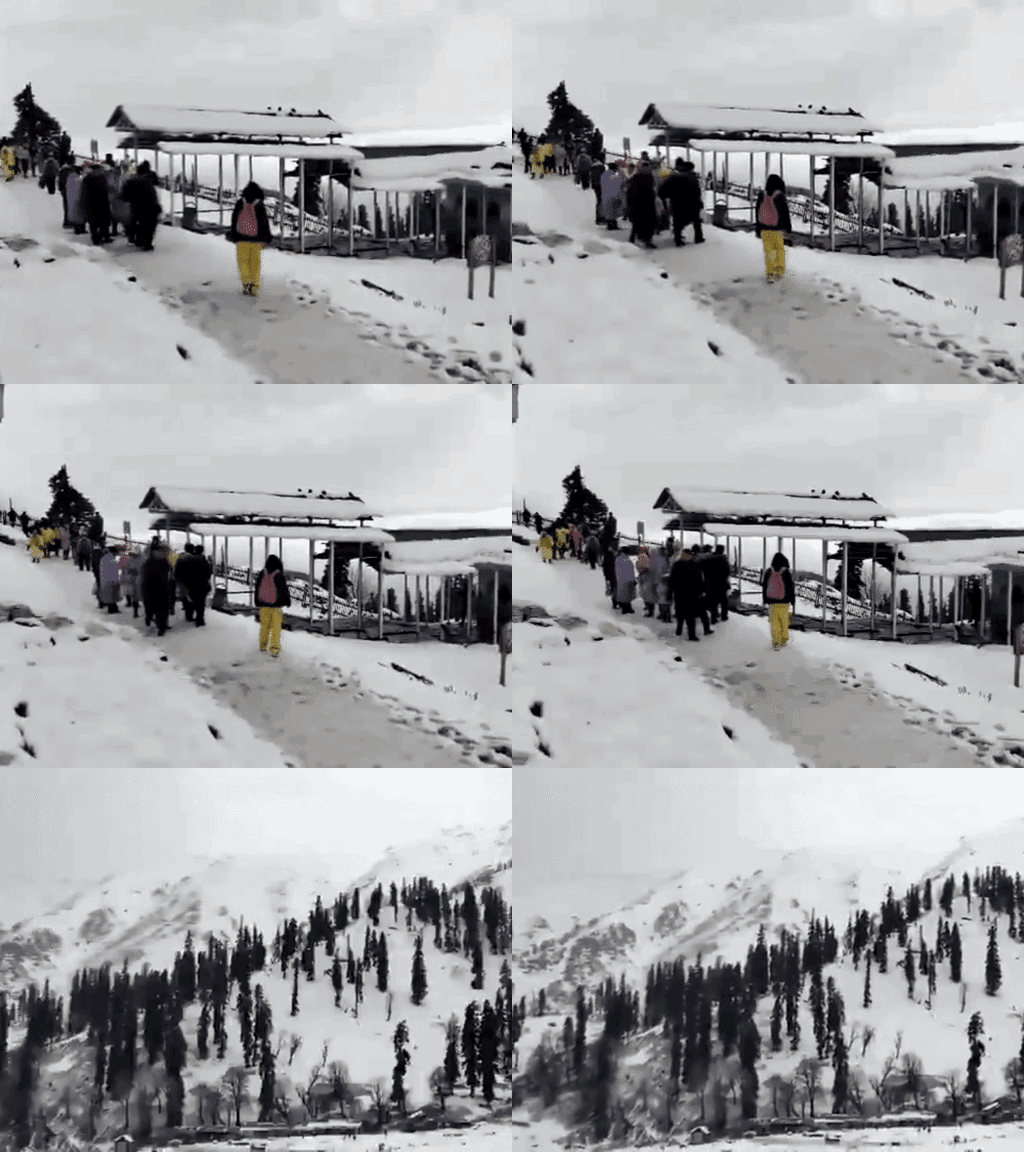
High-altitude areas across Jammu and Kashmir have received a fresh spell of snowfall, transforming elevated mountain slopes and heralding a pronounced shift toward winter conditions. The early precipitation has covered upper ridges and mountain passes in white, altering local weather dynamics across the Western Himalayas. In response to the developing conditions, meteorological authorities have initiated widespread weather monitoring and alerted neighboring hill states of incoming moisture.
In neighboring Himachal Pradesh, regional meteorological officials have issued alerts forecasting intermittent rain and snowfall across several elevated districts. Authorities indicated that higher mountain ridges are likely to accumulate snow, while mid-level and valley areas face spells of cold precipitation. The warning has prompted local administrative agencies to review seasonal response mechanisms and advise residents in vulnerable pockets to prepare for dropping temperatures.
Further east in Uttarakhand, meteorological forecasts indicate a strong likelihood of rainfall across seven districts over the immediate forecast cycle. State weather bulletins highlighted that atmospheric instability could bring light to moderate showers across both hilly terrain and foothills. District officials have been placed on alert to track potential localized shifts, particularly in areas prone to weather-related transit slowdowns.
Atmospheric scientists trace this multi-state weather activity to an active western disturbance passing across the northern reaches of the subcontinent. These cyclonic circulation patterns, which originate in the Mediterranean region and travel eastward, serve as the primary conduit for winter moisture in northern India. As the system interacts with high Himalayan topography, it generates widespread precipitation that frequently triggers rapid seasonal transitions.
The combination of snowfall in Jammu and Kashmir and rain alerts across Himachal Pradesh and Uttarakhand has prompted an immediate plunge in regional mercury levels. Maximum and minimum temperatures have dipped noticeably in mountain valleys, prompting residents to unpack heavier winter garments. Weather analysts note that cold northerly winds following this system will gradually push chilly conditions into the adjacent plains of northern India.
The arrival of fresh snow in Kashmir’s high elevations has brought a wave of optimism for the winter tourism industry, which relies heavily on seasonal snow cover. Hotel operators and tour guides monitor early accumulations closely, as snow-covered landscapes traditionally drive travel interest during the late autumn transition. At the same time, regional transport agencies have urged drivers crossing high-altitude corridors to exercise caution on slippery roads.
Agricultural sectors across the Himalayan belt are also assessing the implications of the wet and cold spell on ongoing horticultural and seasonal farm work. While early moisture is often beneficial for replenishing soil reserves ahead of rabi crop sowing, sudden drops in temperature require orchardists to take protective measures for late-harvest produce. Mountain farmers often regard these opening seasonal disturbances as critical indicators for the water security of upcoming agricultural cycles.
Administrative bodies and emergency service units across the affected northern states have initiated standard winter preparedness protocols. Public works departments have readied equipment to keep arterial highway links and higher passes accessible in case snow accumulations intensify. Disaster management authorities have similarly emphasized routine coordination between district headquarters and field offices to respond promptly to any localized weather disruptions.
According to ongoing meteorological assessments reported across regional media, the unsettled conditions are expected to run their course over the coming days before giving way to clearer skies. Weather departments across Jammu and Kashmir, Himachal Pradesh, and Uttarakhand continue to encourage residents and prospective travelers to monitor daily bulletins closely. As the western disturbance moves eastward, the broader region is poised to settle firmly into the colder rhythms of the approaching winter season.
Primary source: Divya Bhaskar National. Newzly rewrites and structures source reporting for clarity; verify critical details at the original.