South African rescuers race to replant five baobabs after export blocked
Five centuries-old baobabs have reached a reserve in north-eastern South Africa after authorities blocked their export to Georgia, saying the trees had been moved without the necessary permissions.
In this piece
Environmentalists are working to replant five ancient baobabs after their attempted export from South Africa was stopped. The trees, described as weighing 20…
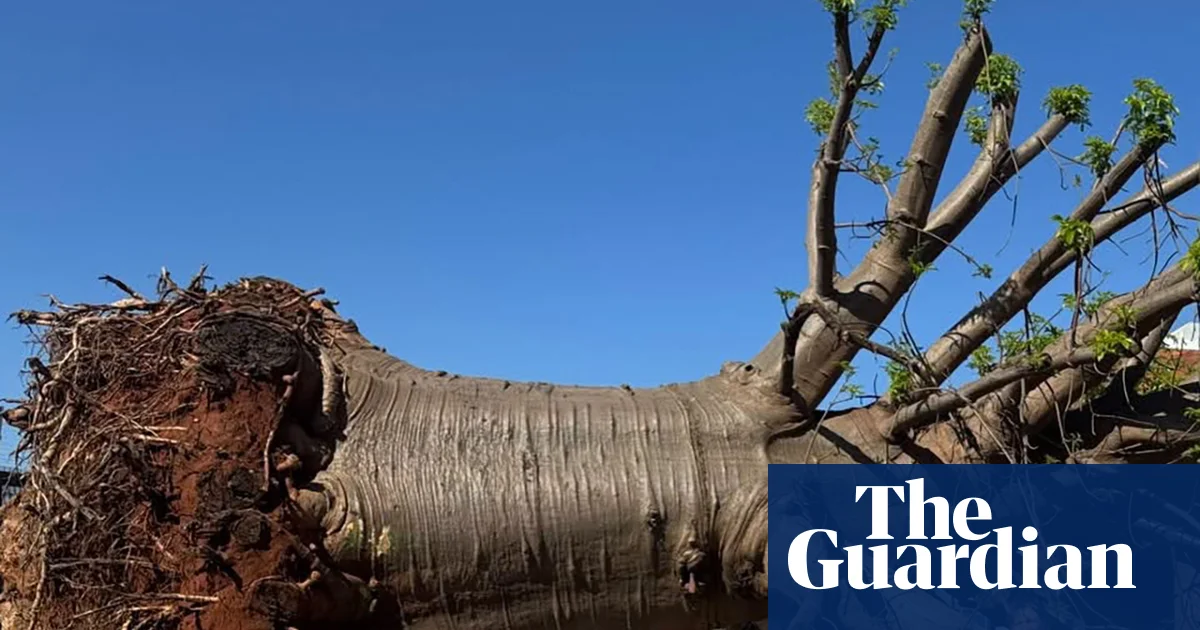
Environmentalists in South Africa are racing to replant five centuries-old baobabs after authorities stopped an exporter from shipping them to Georgia, according to The Guardian. The trees arrived at a reserve in Timbavati, in the country's north-east, on Wednesday, following months at a warehouse in Durban.
The baobabs, described in the report as weighing 20 tonnes, had been dug up for an unnamed buyer in Georgia. Authorities intercepted them in July, saying they had been moved without the necessary permissions, bringing the planned international shipment to a halt before the trees left South Africa.
At the Timbavati reserve, the trees are to be replanted and supported with cables to help them recover. Their arrival allows environmentalists to begin that work after the prolonged warehouse stay, although the supplied report gives no assessment of their current condition or their chances of survival.
The immediate priority is therefore the trees' recovery rather than completion of the export transaction. Moving them to a reserve represents a new stage in the rescue effort, but it does not establish that they will recover from being dug up, transported and held away from their original growing sites.
The case also raises questions about the permissions required to move trees of this age and size. Authorities said the necessary approvals were missing, while The Guardian reported that the baobabs had been dug up without the required permits; the supplied account does not identify the specific permissions involved or describe any subsequent enforcement action.
The planned destination was thousands of miles from South Africa, underscoring the scale of the proposed relocation. However, the buyer remains unnamed, and the available account does not explain why the trees were purchased, where in Georgia they were intended to go or what arrangements had been made for their eventual planting.
For those involved in the rescue, the significance of the intervention rests on preserving five living trees already centuries old. Blocking their departure prevented the planned export, but the conservation outcome now depends on what happens after replanting, rather than on the interception alone. No recovery timetable is provided in the supplied report.
The next step is to place the baobabs back in the ground at Timbavati and install the cable supports intended to aid their recovery. The Guardian's account presents their arrival as the start of that effort, not its conclusion, leaving the trees' longer-term prospects unresolved while environmentalists work to give them a chance to survive.
Primary source: The Guardian World. Newzly rewrites and structures source reporting for clarity; verify critical details at the original.