South Korea’s Kospi Drops Over 3% as AI Bubble Fears Rattle Markets
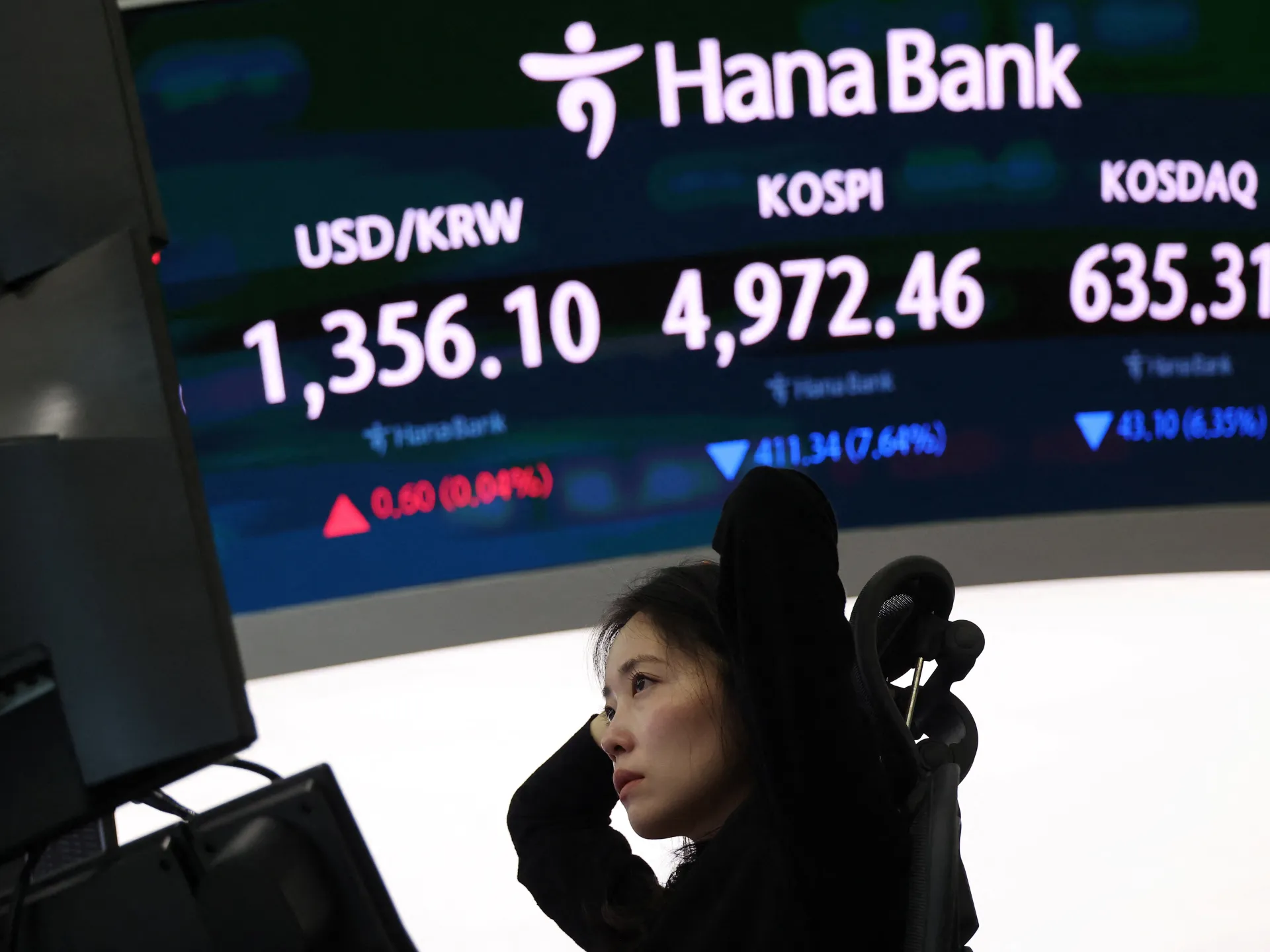
South Korea’s benchmark Kospi index tumbled more than 3 percent as mounting fears over an artificial intelligence bubble triggered widespread selling, leaving financial markets across Asia bracing for regional losses.
In this piece
South Korea’s benchmark Kospi tumbled over 3 percent as anxieties over an artificial intelligence bubble sparked sharp market declines. Regional bourses across…
South Korea’s benchmark stock index suffered a sharp drop as escalating concerns over an artificial intelligence bubble rattled investor confidence across the region. The Kospi tumbled by more than 3 percent during the trading session, reflecting sudden selling pressure that quickly spread throughout Seoul’s financial markets. The downturn came as neighboring bourses across Asia also braced for potential spillover losses tied to shifting global risk sentiment.
The retreat was highlighted in reporting from Al Jazeera, which noted that heightened unease over valuations in the artificial intelligence sector triggered the steep slide. Market participants appeared increasingly cautious following extended rallies linked to enthusiasm over emerging technologies. As trading momentum abruptly reversed, the benchmark faced one of its most pronounced daily setbacks in recent memory.
South Korea’s equity market is widely recognized for its heavy concentration in high-technology manufacturing and advanced semiconductor supply chains. Because key domestic benchmarks are heavily weighted toward hardware and components that power modern computing, local equities are exceptionally sensitive to shifts in global tech sentiment. When doubts emerge regarding international demand or valuation multiples for artificial intelligence, the Seoul exchange often experiences amplified volatility.
The broader Asian market backdrop reflected growing nervousness as regional exchanges prepared for knock-on declines. Investors across neighboring financial hubs monitored Seoul closely, wary that a sustained rout in South Korean tech shares could set off wider regional de-risking. The synchronized weakness highlighted the degree to which regional financial centers remain interconnected through cross-border institutional portfolios and common sector exposures.
Underlying the sell-off is an intensifying international conversation over whether market expectations for artificial intelligence have outpaced near-term economic realities. Over recent quarters, global equity indices have derived significant momentum from expectations of rapid technological transformation and aggressive capital expenditure into AI infrastructure. However, skepticism has steadily grown among analysts and institutional fund managers regarding when these vast capital outlays will translate into sustainable corporate profits.
When market sentiment shifts toward the prospect of an asset bubble, speculative positioning tends to unwind rapidly. Even modest shifts in risk appetite can lead institutional managers to lock in profits across high-flying tech holdings and reduce overall equity exposure. The sharp decline on the Kospi underscored how quickly optimism can give way to protective hedging when market participants begin questioning long-term valuations.
The market turbulence also occurs against a macroeconomic environment where investors are already navigating uncertain interest rate paths and fluctuating currency valuations. With global monetary conditions remaining in transition, high-multiple technology equities face heightened scrutiny whenever broader macro volatility increases. Under these conditions, emerging questions about the durability of tech-driven growth cycles tend to provoke outsized reactions across equity markets.
Trading desks and risk managers across the region are now reassessing exposure levels as volatility spreads beyond single-sector plays. A sustained downturn in major benchmark indices can dampen broader market liquidity and weigh on consumer and corporate sentiment. As a result, institutional investors are adopting more defensive strategies while evaluating whether the current drop represents a short-term correction or a deeper structural reassessment.
Looking ahead, market participants will be watching whether the Kospi can establish firm technical support or if downside momentum will extend into subsequent trading sessions. Observers will also track forthcoming corporate disclosures, industry shipment figures, and forward guidance across the technology sector to gauge underlying commercial health. For now, the steep tumble serves as a clear warning sign of the fragility that can emerge when elevated technology expectations collide with mounting valuation fears.
Primary source: Al Jazeera. Newzly rewrites and structures source reporting for clarity; verify critical details at the original.