South Korea to allow crypto withdrawal freezes amid hacking threats
South Korea is set to permit cryptocurrency withdrawal freezes during suspected hacking threats, following security incidents involving GOPAX and Prabang, according to Cointelegraph.
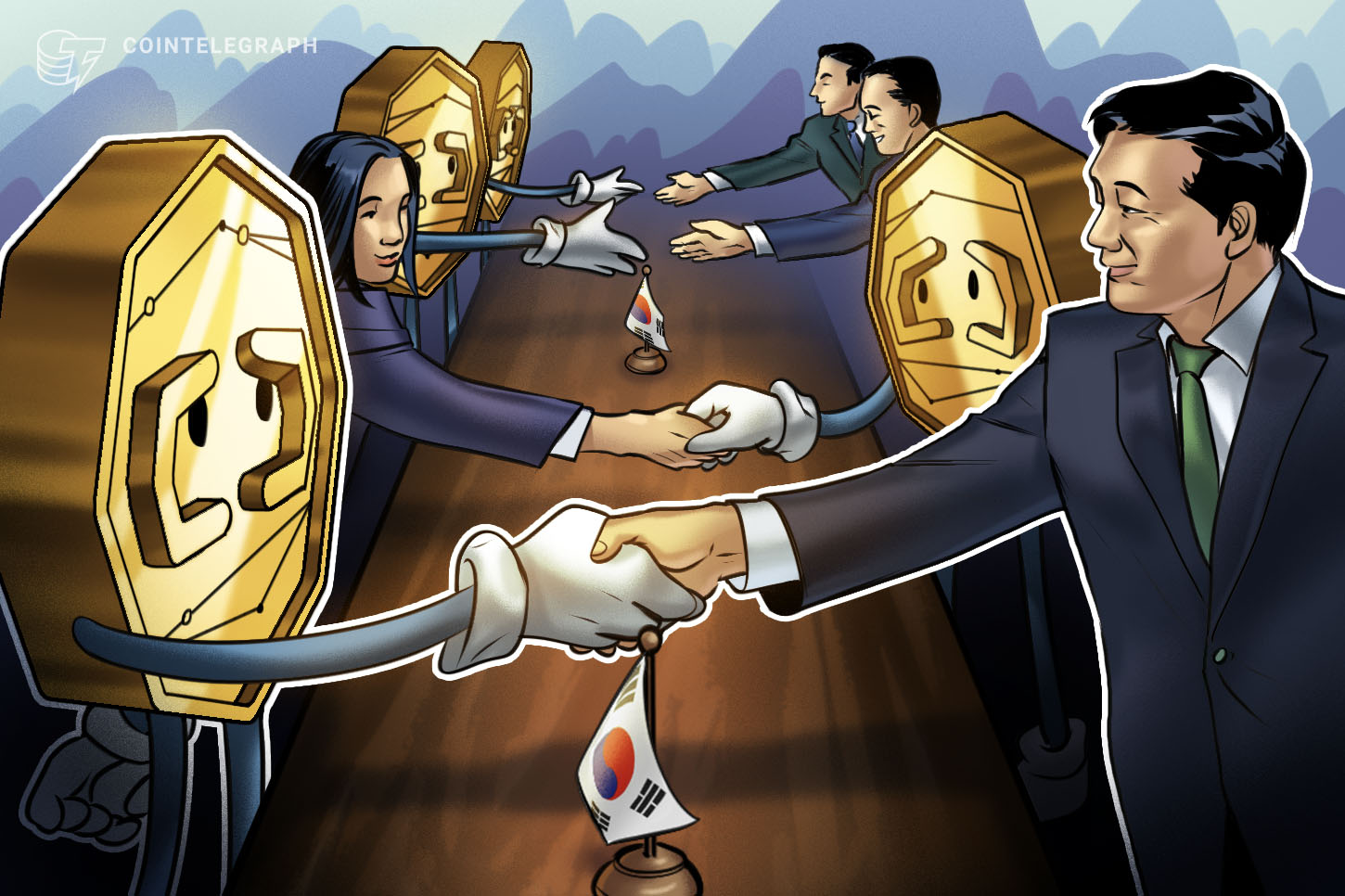
South Korea is set to permit cryptocurrency withdrawal freezes during suspected hacking threats, according to Cointelegraph, giving exchanges a way to restrict outgoing transfers while responding to potential security incidents. The reported move follows recent disruptions involving South Korean crypto exchanges GOPAX and Prabang.
GOPAX suspended services as a precaution, while Prabang experienced a hot-wallet breach involving $70,000, the report said. The incidents provide the immediate backdrop to the proposed withdrawal-freeze permission, although the supplied account does not establish that they were connected or involved the same security weakness.
The distinction between those incidents matters: a precautionary suspension is not, by itself, confirmation that funds have been stolen. Prabang’s reported breach involved a stated loss, whereas the information provided about GOPAX describes a preventive response without identifying a confirmed theft or an amount at risk.
Withdrawal restrictions address a particularly sensitive point in an exchange’s response to a suspected attack: whether assets should continue leaving the platform before the threat is understood. Temporarily stopping transfers can serve a protective purpose, but it also limits customers’ ability to move their cryptocurrency while the restriction remains in place.
The reported permission therefore raises questions about both security and access. Its practical significance will depend on what constitutes a sufficient hacking threat, who can authorize a freeze and how an exchange determines that withdrawals can safely resume. Those conditions are not specified in the supplied account.
The available information also does not identify an implementation date or explain the legal mechanism through which the permission would take effect. It does not establish whether the measure would apply uniformly across exchanges or whether restrictions could be limited to particular assets or affected services. Those distinctions would shape how broadly customers experience any interruption.
For account holders, a withdrawal freeze and a confirmed loss are different developments, even when both arise during a security incident. The GOPAX and Prabang examples underscore the need to distinguish a platform’s preventive actions from verified findings about compromised funds. Clear explanations of the reason for a suspension would help customers understand what is known and what remains under investigation.
The next point to watch is how the reported permission is translated into operational requirements, including the threshold for imposing restrictions and the conditions for lifting them. Cointelegraph’s account signals a move toward allowing defensive freezes, but the supplied material leaves the scope, safeguards and timetable unresolved. Those details will determine how the measure balances incident response with customers’ access to their assets.
Primary source: CoinTelegraph. Newzly rewrites and structures source reporting for clarity; verify critical details at the original.