Uncalled House races offer crypto advocates an opening
Unresolved U.S. House contests could add industry allies, while candidates without public crypto positions are becoming a focus for advocacy groups preparing congressional outreach.
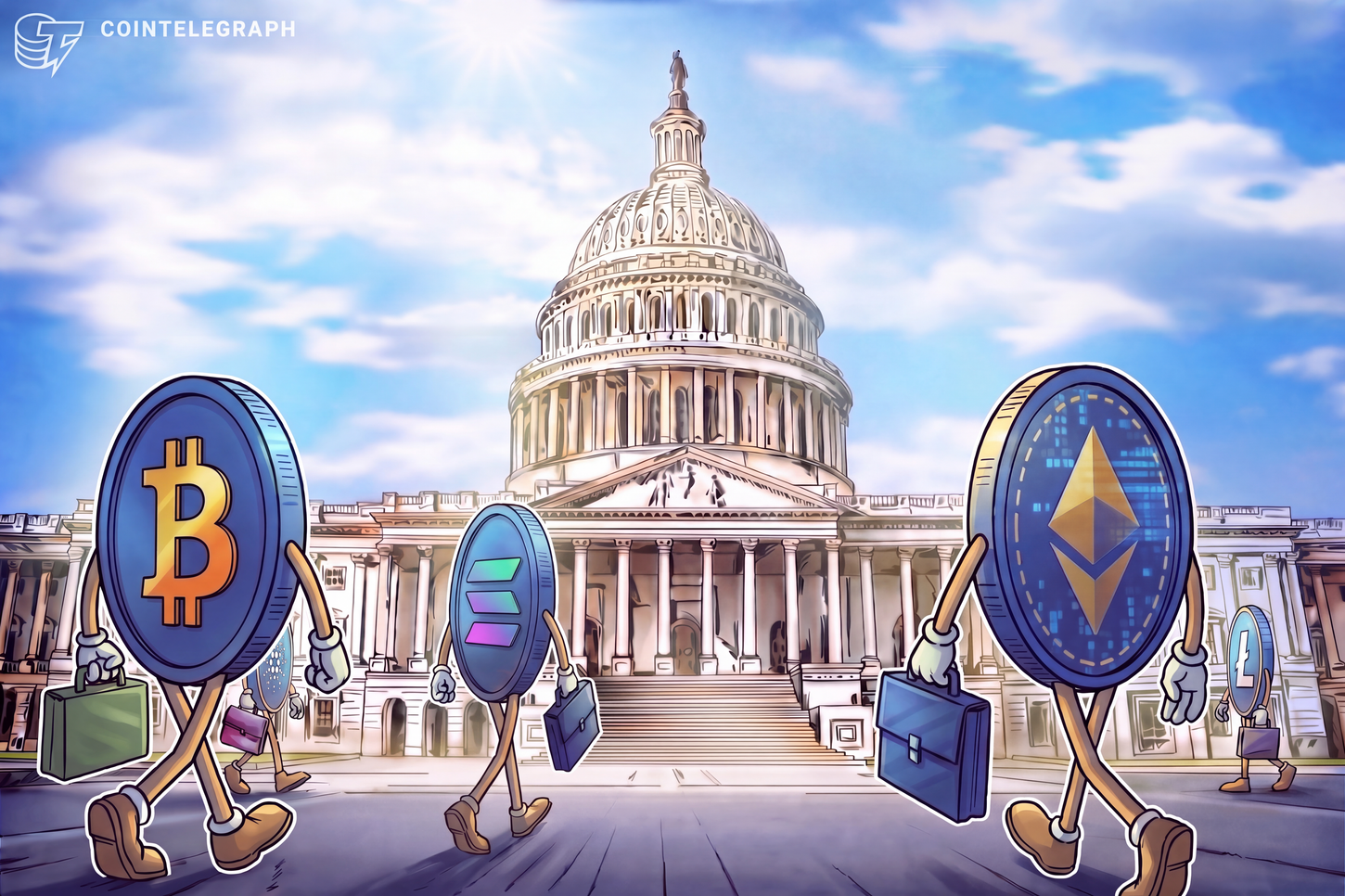
Unresolved U.S. House races could bring additional cryptocurrency supporters into Congress, Cointelegraph reported Nov. 11, citing industry advocacy groups. Candidates without stated positions are also drawing attention as organizations prepare outreach to incoming lawmakers.
The report identified three candidates backed by crypto political action committees in undecided contests. Blockchain Association Chief Policy Officer Lindsay Fraser described lawmakers without public positions as an opportunity for education and said the association was planning a January congressional fly-in.
That approach reflects the association’s stated mission beyond election campaigns. On its official website, Blockchain Association describes itself as a nonprofit membership organization seeking a pro-innovation policy environment for digital assets, with regulatory clarity and policymaker education among its priorities.
The distinction matters because an industry’s assessment of an election is not the same as a legislative outcome. An incoming member may be receptive to learning about blockchain without having committed to a particular regulatory approach, and a favorable overall position does not establish support for every proposal.
Stand With Crypto’s official announcement of its 2026 candidate questionnaire provides a window into how the advocacy group develops its political assessments. It says candidate responses help inform letter grades ranging from A, indicating strong support for crypto, to F, indicating strong opposition. Those grades describe the organization’s assessment of candidates rather than an official congressional classification.
The questionnaire also asks whether candidates have personally bought, sold or used cryptocurrency or blockchain-based tools. That adds a measure of practical familiarity alongside policy positions, although personal experience alone does not demonstrate how a lawmaker would approach legislation. The distinction between familiarity and policy commitment is particularly relevant when advocates are seeking to engage members without established positions.
Stand With Crypto says questionnaire results also inform how it mobilizes advocates in competitive elections. Its scorecards therefore serve both an informational purpose and an organizing function, helping supporters identify candidates whose views align with the group’s priorities. Readers should understand those assessments as products of an organization advocating for the industry.
For incoming lawmakers, educational meetings offer an opportunity to examine industry arguments rather than a requirement to accept them. For advocacy groups, the challenge is to turn access and interest into durable policy relationships. Neither a meeting nor an improved rating, by itself, establishes that a legislative coalition exists.
The next test will be whether outreach produces explicit positions and, eventually, voting records that support the advocates’ expectations. Until then, candidates without stated views remain an uncertain constituency rather than confirmed allies. The planned January engagement will give the industry another opportunity to make its case.
Primary source: CoinTelegraph. Newzly rewrites and structures source reporting for clarity; verify critical details at the original.