Spain's rail authorities face European fraud probe after Urda rail disaster
European prosecutors have opened an inquiry into EU money meant to upgrade the Spanish railway line where a crash killed 69 people, the BBC reports. The probe follows the Urda rail disaster.
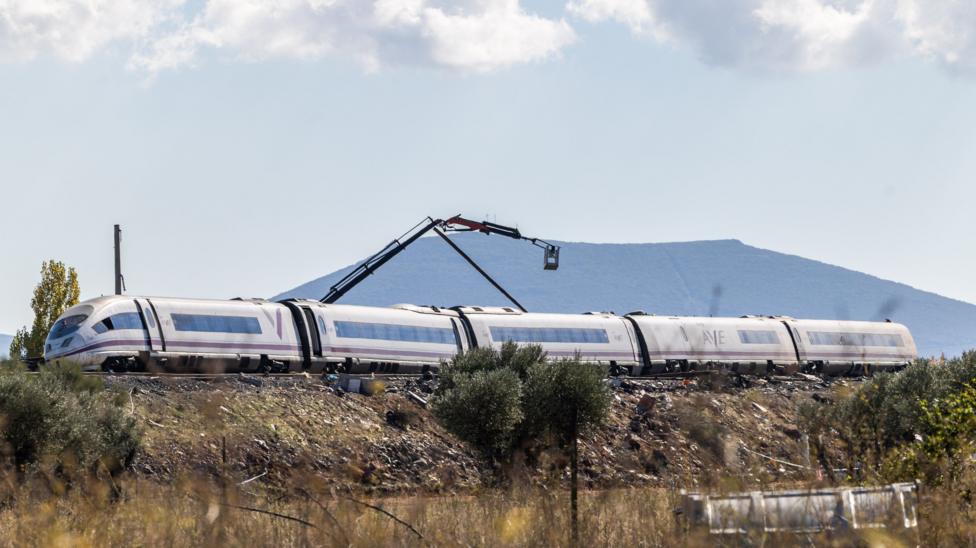
Prosecutors have opened an investigation into European Union funds intended for upgrades on the Spanish railway line where a train crash killed 69 people, according to a BBC report. Spain’s rail authorities are facing a European fraud probe in the aftermath of the disaster, identified in coverage as the Urda rail disaster.
The inquiry centers on money meant to improve the line involved in the crash, the report says. Investigators are looking at whether those funds were used as intended. The BBC account does not detail specific sums, contracts, or named individuals under scrutiny.
The crash killed 69 people. Attention has moved from the immediate loss of life to questions about the railway and the public money allocated to modernize the line where it happened. The report frames the probe as tied directly to that line and to the disaster that followed.
European fraud investigations involving EU funds generally examine whether grants and co-financed projects met the conditions attached to them, including how works were procured and whether promised upgrades were delivered. In this case, the stated focus is funding earmarked for upgrading the line where the crash occurred. The BBC summary does not say that prosecutors have reached any finding of wrongdoing.
An investigation is not itself a conviction or a formal accusation laid out in the available report. Authorities have begun examining the spending. Outcomes, charges, or clearances are not described. Rail authorities in Spain are identified as facing the probe, without a fuller public account here of which agencies are involved.
The case matters because it connects a deadly rail crash to the oversight of European public money. For people who rely on the network, the open question is whether safety-related upgrades on that line were funded and carried out as planned. For European institutions, the probe is a test of how infrastructure spending is monitored after a catastrophe.
Key details remain unreported in the account available here. The BBC item does not set out a timeline for the upgrades, the technical cause of the crash, or any official statement from Spanish rail authorities or European prosecutors. Those gaps mean the scope of the inquiry, and whether it will widen beyond the upgrade funds, is not yet clear from this report.
Rail disasters often draw more than one kind of scrutiny: technical work on how a train crashed, and separate reviews of funding, maintenance, and governance. The report describes the current step as a prosecutorial look at EU funds for the line. It does not say that this financial inquiry replaces or concludes any safety investigation.
What happens next depends on how far prosecutors take the examination of the upgrade money and what evidence they assemble. The BBC report says the investigation has begun. It does not give a schedule for findings or identify the next procedural steps. Until authorities publish more, the public record is limited to the opening of a probe into funds tied to the line where 69 people were killed.
Primary source: BBC World. Newzly rewrites and structures source reporting for clarity; verify critical details at the original.