Stage Adaptation of TV Hit ‘It’s a Sin’ Reimagines Drama Through Dance
Russell T Davies's acclaimed television drama 'It's a Sin' is heading to the stage as a Rambert dance production, trading conventional musical tropes for club-inspired choreography.
In this piece
A trailer has been released for a new dance adaptation of Russell T Davies's acclaimed series 'It’s a Sin.' Produced in collaboration with Rambert, the stage…
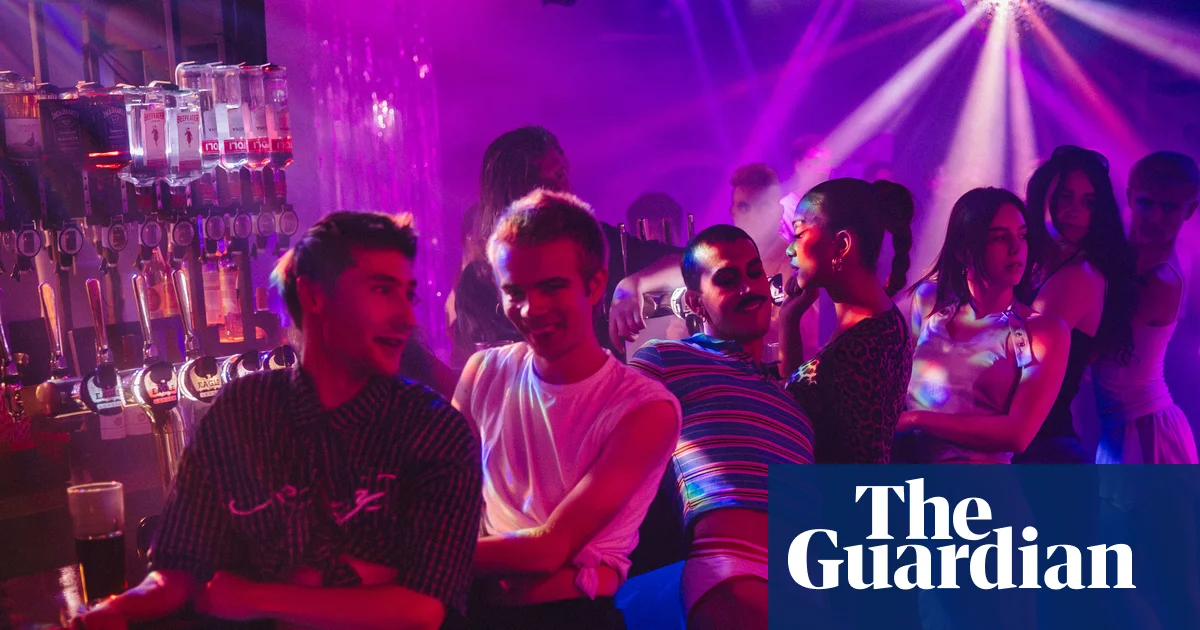
Russell T Davies’s acclaimed television drama "It’s a Sin" is set to receive a new life on the stage as a dance production by renowned dance company Rambert, with a newly released trailer offering audiences an initial glimpse of the project. The stage adaptation is scheduled to open at Aviva Studios in Manchester in February, placing the energy of the dancefloor and youth culture at the emotional core of the work.
The original television series captivated viewers with its moving depiction of a circle of young gay friends navigating life, romance, and friendship during the HIV/Aids epidemic in 1980s London. Balancing vibrant joy with devastating loss, the narrative demonstrated how nightlife and club spaces served as vital sanctuaries of freedom and solidarity during an era marked by widespread institutional prejudice and fear.
Following the broadcast success of the miniseries, Davies revealed that numerous suitors approached him with proposals to adapt the story for theater, though most pitched a traditional musical format. Davies admitted that the prospect of turning the drama into a standard West End musical caused his heart to sink, feeling that conventional theatrical song structures would be ill-suited to the material's tone.
Recalling his hesitation, Davies noted that he dreaded seeing delicate dramatic moments turned into sweeping theatrical numbers, imagining that a climactic musical confrontation on a seafront could easily stumble into melodrama. By contrast, approaching the story through the medium of contemporary choreography offered an artistic route that felt far more aligned with the spirit of the television series.
"It felt so original and so pure," Davies said when discussing the decision to partner with Rambert on a dance interpretation. "The story distils down to these emotional moments that are going to be done so beautifully on stage." The writer highlighted how movement can convey intricate narrative and emotional nuance without relying on exposition or lyrical dialogue.
The upcoming production leans heavily into club culture, framing the dancefloor not merely as entertainment but as an essential space of resilience and self-expression. In an era when queer youth faced profound stigma, community dance spaces offered extraordinary liberation, making kinetic physical expression an instinctive vehicle for recounting their experiences.
The collaboration unites Davies's narrative world with the choreographic vision of Rambert, alongside artistic involvement from choreographer Benoit Swan Pouffer and the musical legacy of the Pet Shop Boys. Together, the creative team aims to fuse modern choreography with the defining sonic and cultural textures of the 1980s queer clubbing scene.
Translating an acclaimed screen drama into an ambitious full-length dance work represents a notable departure from conventional dramatic adaptations, emphasizing physical storytelling over spoken text. By distilling the drama into rhythm and movement, the production seeks to offer audiences a direct, visceral connection to themes of grief, youthful euphoria, and enduring communal bonds.
With the trailer now circulating and building anticipation among fans of the television series, attention turns toward the production's world premiere at Aviva Studios in Manchester this February. The opening will mark the first opportunity for audiences to see how one of British television's most poignant historical narratives translates into a powerful new theatrical form.
Primary source: The Guardian Culture. Newzly rewrites and structures source reporting for clarity; verify critical details at the original.