With Stephen Miller as Chief of Staff, Trump Braces for Capitol Hill Clashes
Donald Trump’s elevation of longtime loyalist Stephen Miller to White House chief of staff signals an aggressive, combat-ready posture that sets the stage for bitter clashes with Congress.
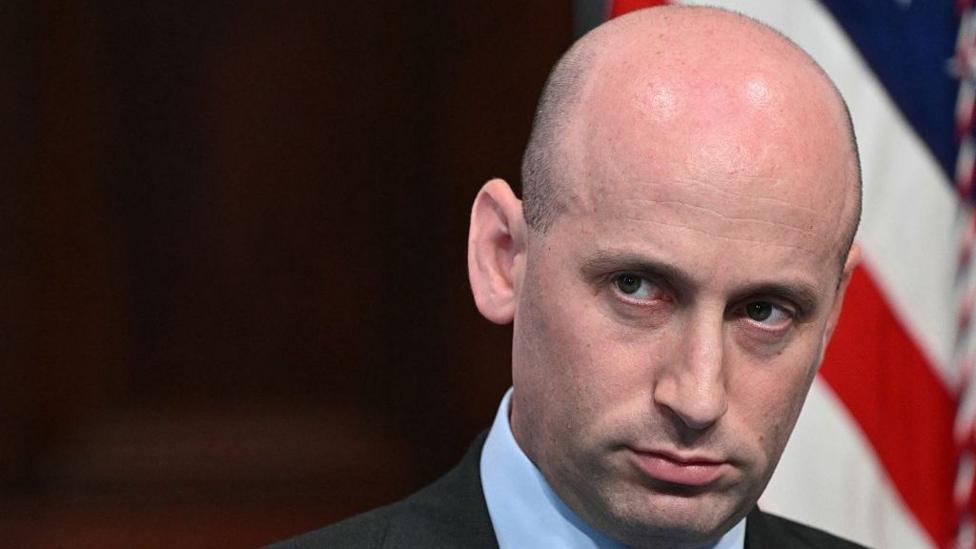
President Donald Trump has chosen Stephen Miller, a longtime senior adviser and prominent political loyalist, to serve as his new White House chief of staff. The promotion places one of the administration's most uncompromising ideological figures into the most critical operational post in the executive branch. The appointment marks a decisive staffing shift aimed at tightening control over White House operations and executive policymaking.
The selection signals an assertive governing posture that is widely expected to set up contentious battles and sharp clashes with Congress. By elevating a combative partisan ally to lead West Wing operations, the administration appears prepared to pursue its agenda through firm executive resolve rather than conventional legislative compromise. Lawmakers on Capitol Hill are already anticipating a more confrontational relationship with the executive branch in the sessions ahead.
Miller has long been regarded as one of the president's most devoted and vocal ideological standard-bearers. Throughout his tenure in national politics, he has earned a reputation as a determined policy architect and partisan firebrand who consistently champions hardline stances. His enduring proximity to the president has made him a central and influential voice in defining the administration's political identity.
The role of White House chief of staff is traditionally viewed as one of the most demanding and influential positions in American government. Serving as the primary gatekeeper to the Oval Office, the chief oversees West Wing staff, manages presidential priorities, and steers major policy initiatives across federal agencies. The post also requires navigating delicate political crosscurrents and directing high-stakes negotiations with congressional leaders.
Historically, presidents have frequently looked to seasoned legislative operators or veteran bureaucratic managers to facilitate dialogue with Capitol Hill and maintain party unity. Miller's appointment marks a clear pivot away from that traditional governance model, reinforcing an insular leadership style that prioritizes absolute personal loyalty and ideological cohesion. Observers note that this approach prioritizes executive discipline over consensus-building among disparate political factions.
Reaction across Capitol Hill is expected to mirror deep partisan divisions as lawmakers brace for the strategic shifts Miller is anticipated to implement. While staunch conservative allies are likely to welcome the rise of a trusted ideological champion, opposition members and institutional moderates fear intensified gridlock and prolonged legislative standoffs. The dynamic suggests that even routine negotiations over policy and procedural matters could become heavily polarized.
The elevation comes at a pivotal moment as the administration readies itself for significant political challenges and anticipated legislative resistance. Analysts suggest that placing a steadfast loyalist in command of the West Wing reflects an administration determined to exercise executive authority aggressively. Such a strategy indicates that the White House is prepared to challenge institutional pushback directly rather than seek middle ground.
Beyond legislative friction, the leadership change highlights a broader administrative philosophy centered on unwavering alignment with presidential directives. By selecting an established internal ally rather than an external consensus builder, the administration is reinforcing a cohesive inner circle dedicated to defending its core platform. This posture suggests that the West Wing will maintain a rigid, disciplined defense against political scrutiny and outside pressure.
As Miller formally assumes the duties of chief of staff, political observers will closely monitor how his leadership affects daily governance and institutional outreach. The immediate period ahead will serve as an essential gauge of whether this combative posture fortifies the president's executive influence or deepens partisan polarization in Washington. The broader trajectory of executive-legislative relations will largely depend on how both sides navigate the confrontations that now appear increasingly inevitable.
Primary source: BBC World. Newzly rewrites and structures source reporting for clarity; verify critical details at the original.