Supermarket Freezers Across Europe Hit by Suspected Cyber-Attack
Supermarkets in Sweden, Belgium, and Luxembourg reported overnight freezer temperature spikes affecting dozens of stores, prompting fears of a coordinated cyber-attack mirroring recent costly disruptions in France.
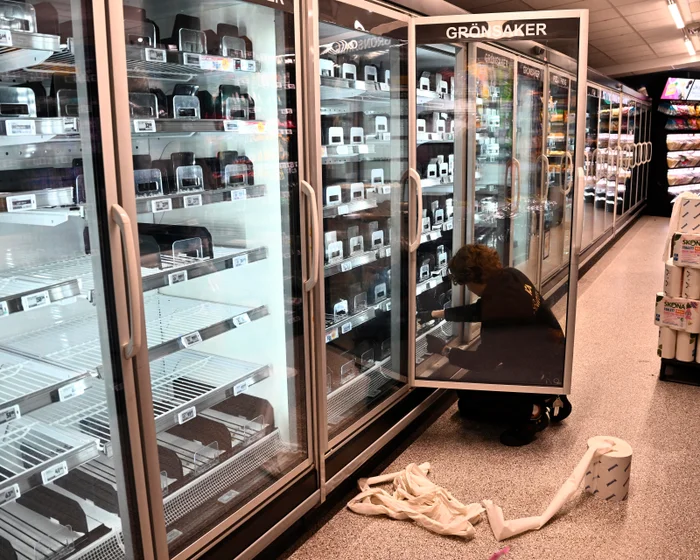
Supermarket chains across Sweden, Belgium, and Luxembourg are confronting widespread retail disruptions after refrigerator and freezer temperatures rose unexpectedly overnight. The sudden temperature spikes affected dozens of stores across the three European countries, triggering acute concerns over a suspected cyber-attack targeting commercial food cooling systems.
In Sweden, major grocery operators moved swiftly to assess the operational impact after several branches reported malfunctioning cold-storage equipment on Monday morning. The Swedish retail chain Coop confirmed to the domestic newspaper Aftonbladet that six of its stores had suffered overnight cooling failures, leaving management scrambling to protect sensitive merchandise.
Another leading Swedish retailer, ICA, confirmed that it was likewise dealing with disruptions linked to the overnight incident. The company stated publicly that it was aware a limited number of its stores had been affected by a disturbance that compromised their refrigeration and freezer systems, though it did not immediately assign formal blame.
Supermarket operators in Belgium and Luxembourg reported comparable overnight failures, with temperatures climbing inside display cases and storage freezers across dozens of retail locations. Store managers arriving for morning operations discovered that cooling units had deviated from required climate thresholds, raising immediate fears of substantial inventory spoilage.
The disruptions closely mirror a recent cyber incident in France, where compromised refrigeration systems resulted in millions of euros in lost food products across affected stores. European retail security experts had previously warned that industrial climate management platforms could emerge as prime targets following the significant financial losses recorded during the French event.
Modern grocery chains increasingly depend on automated, cloud-linked building management platforms to regulate refrigeration units, monitor food safety compliance, and maximize energy efficiency. While these connected operational technology systems streamline facility oversight, vulnerabilities in remote management software or shared third-party vendor networks can leave crucial temperature controls exposed to remote tampering.
The economic and operational consequences of cold-chain interference are immediate and severe for commercial grocers. Under stringent European food safety standards, meat, dairy, and frozen products subjected to prolonged temperature breaches cannot legally or safely be sold, forcing retailers to dispose of entire store stocks when cooling thresholds are violated.
Technical teams and cybersecurity specialists are examining whether the disruptions stem from an external intrusion into a shared facility software provider or centralized maintenance contractor. Retailers and regional authorities have maintained careful caution in their assessments, stressing that forensic investigations are still under way to establish whether the simultaneous temperature rises were definitively malicious.
With investigations continuing, grocery operators across the affected countries are reinforcing telemetry monitoring and reviewing network firewalls protecting automated cooling hardware. Retailers in Sweden, Belgium, and Luxembourg remain on high alert as they conduct store audits, seeking to quantify commercial losses and secure their supply infrastructure against further overnight failures.
Primary source: The Guardian Business. Newzly rewrites and structures source reporting for clarity; verify critical details at the original.