Suspected Cyber-Attack Disrupts Supermarket Freezers Across Europe
A suspected cyber-attack has hit supermarket freezers across Belgium, Sweden, and Luxembourg, with digital controls in Swedish stores manipulated to raise internal temperatures to 50 C.
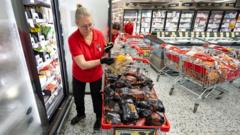
Supermarket refrigeration systems across Belgium, Sweden, and Luxembourg have been disrupted in what operators and authorities suspect is a coordinated cyber-attack, according to a report by BBC World. The breach targeted digital controls governing cold storage facilities, affecting commercial operations in multiple retail outlets across the three European countries.
In Sweden, store operators reported that freezer controls were manipulated to drive temperatures up to 50 degrees Celsius (122 degrees Fahrenheit). The extreme temperature surge turned industrial-grade freezers into heating chambers, putting stored frozen products at immediate risk of spoilage and potential total loss.
Supermarket networks in Belgium and Luxembourg also reported related system malfunctions that disrupted standard refrigeration protocols. Although full details on the scope of the impact remain emerging, the simultaneous targeting across national borders points to a sophisticated intrusion into commercial building management platforms.
Modern grocery chains increasingly depend on networked industrial control systems and Internet of Things sensors to manage store environments. These digital platforms allow operators to track internal temperatures, regulate energy efficiency, and automate compliance with strict cold chain safety standards across large chains of stores.
Security experts have repeatedly cautioned that interconnected industrial controls often present vulnerabilities if remote access channels are not rigorously segmented from corporate networks. In this case, raising freezer temperatures to extreme levels demonstrates how cyber intrusions into physical systems can quickly cause direct material and financial harm.
Beyond the immediate mechanical stress on cooling machinery, commercial food safety regulations require retailers to inspect and likely dispose of products exposed to compromised temperatures. Rapid temperature spikes in commercial freezers can compromise food safety within hours, forcing store managers to clear shelves and write off substantial volumes of perishable inventory.
Retailers in the affected countries are working with specialized technical consultants and system vendors to isolate affected units and restore reliable cooling. Emergency protocols have been activated across affected stores, with technicians taking networked controllers offline to prevent further unauthorized modifications to system settings.
The incident highlights the growing exposure of retail supply chains and food distribution logistics to disruptive cyber events. Over recent years, European cybersecurity agencies have issued repeated warnings that critical civilian infrastructure, including food retail and logistics providers, faces escalating risks from external digital threats.
Investigators are focusing on whether the vulnerability originated in a specific third-party building automation platform or through centralized maintenance accounts. Third-party vendors that manage heating, ventilation, and air conditioning systems often maintain privileged remote access into client networks, creating attractive vectors for attackers.
Retailers and technical investigators have not yet publicly attributed the disruption to a specific threat group or confirmed whether financial demands were made. Further disclosures are anticipated as digital forensics teams complete system reviews and grocers evaluate the comprehensive financial and operational impact across Belgium, Sweden, and Luxembourg.
Primary source: BBC World. Newzly rewrites and structures source reporting for clarity; verify critical details at the original.