Taking Korea's Toughest Exam Behind Bars: Eleven Juvenile Inmates Prepare for the Suneung
Eleven incarcerated youths at South Korea's Mandela Boys' School will join thousands across the nation to sit for the Suneung, the country's grueling college entrance examination.
In this piece
Eleven young convicts at the Mandela Boys' School are preparing to take the Suneung, South Korea's famously rigorous university entrance exam. The initiative…
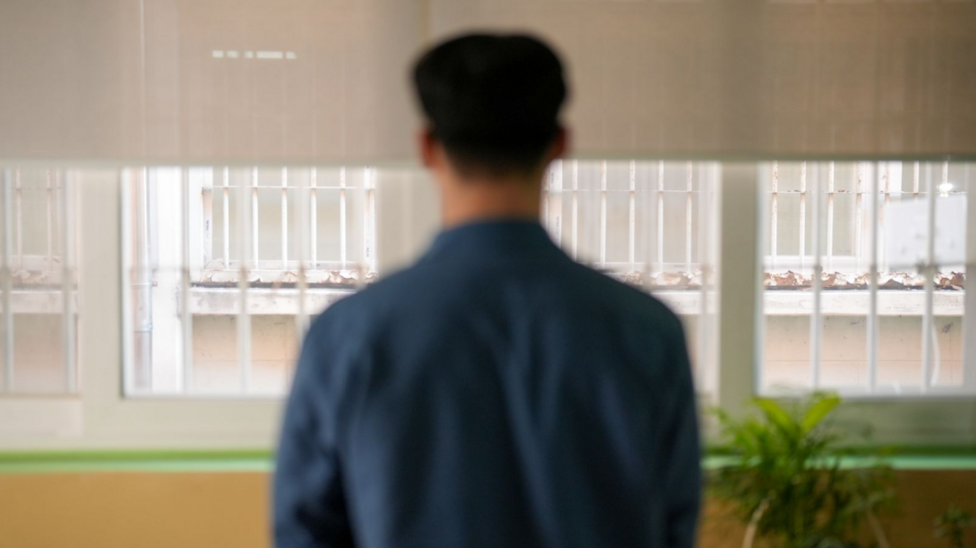
Eleven incarcerated students at the Mandela Boys' School will join thousands of young South Koreans this year to sit for the Suneung, the nation's notoriously challenging college entrance examination. The initiative offers the juvenile offenders an opportunity to participate in a high-stakes academic ritual that defines the educational journey of Korean youths. The testing arrangement within the detention facility reflects a concerted effort to provide formal academic pathways to youths currently serving custodial sentences.
The Suneung, formally known as the College Scholastic Ability Test, is recognized globally as one of the most demanding standardized assessments. Administered annually over the course of a single intensive day, the marathon exam covers mathematics, languages, history, and sciences. Scores obtained on the test largely govern admission to the country's top universities, making it a critical gateway to future professional careers and socioeconomic mobility.
For the eleven candidates at the Mandela Boys' School, preparing for the examination requires navigating conditions fundamentally different from those experienced by average students. While high school seniors across South Korea routinely attend private cram schools and study late into the night at specialized academies, incarcerated students must rely primarily on institutional resources. Their daily routines must balance mandatory detention schedules with dedicated hours of quiet study.
Educational initiatives within correctional facilities have increasingly emphasized accredited learning as a cornerstone of juvenile rehabilitation. By facilitating access to national testing standards, authorities aim to bridge the educational divide between incarcerated youths and their civilian peers. Administrators and youth counselors often regard academic achievement as an effective means to instill discipline, self-worth, and tangible post-release prospects.
The annual administration of the Suneung holds profound cultural significance across South Korea, frequently drawing nationwide attention and coordinated institutional support. On test morning, government offices and financial markets frequently shift operating hours to ease traffic congestion for traveling examinees. While test-takers outside often receive cheers from junior classmates and nervous prayers from parents at school gates, the candidates inside Mandela Boys' School will confront the examination in relative seclusion.
Studying for such a rigorous test inside a secure facility presents substantial structural hurdles for both teachers and students. Security regulations typically limit access to online educational databases, digital tablets, and standard internet-based lectures that modern students depend on. Consequently, candidates inside must depend on printed textbooks, traditional past-exam papers, and whatever supervised instruction can be arranged within the facility.
Sociologists and correctional experts note that higher education can serve as one of the most reliable buffers against youth recidivism. When juvenile offenders gain educational credentials or enter collegiate programs, their likelihood of successfully reintegrating into civic life increases considerably. For the young men at Mandela Boys' School, earning a competitive score represents a viable chance to reconstruct their identity beyond the confines of their past offenses.
Despite the difficult circumstances surrounding their preparation, the inclusion of the eleven students highlights an evolving approach toward penal education in the country. Rather than viewing incarceration purely as punitive confinement, reform models place greater weight on equipping young offenders with relevant academic and vocational qualifications. The presence of juvenile candidates in the national exam pool illustrates how educational frameworks can penetrate even secure custodial spaces.
Once the testing session concludes, the candidates will await the release of national percentiles alongside hundreds of thousands of peers nationwide. The final scores will determine whether they qualify to submit applications for university courses, distance-learning programs, or technical colleges upon their eventual release. For these eleven young men, the Suneung represents not merely a standard academic test, but a vital foundation for life beyond prison walls.
Primary source: BBC Asia. Newzly rewrites and structures source reporting for clarity; verify critical details at the original.