Tanzanian opposition leader convicted of incitement, cleared of treason
A 58-year-old Tanzanian opposition figure, detained since April last year, has been found guilty of incitement. The defendant was acquitted of the more serious charge of treason.
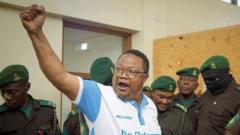
A Tanzanian opposition leader has been found guilty of incitement and acquitted of treason, the BBC reports. The 58-year-old has been detained since April last year. The treason count was the more serious charge in the case.
The account is narrow. It does not give the defendant's name, party, the court that heard the case, or any sentence. Those gaps leave the legal outcome only partly described: a conviction on incitement stands beside a not-guilty finding on treason.
The split verdict is the central fact. Treason allegations are among the gravest a state can bring and are often tied to claims of an attack on the constitutional order. Incitement is a narrower accusation, generally concerned with encouraging unlawful conduct. Clearing the heavier charge changes the stakes even while the guilty finding on incitement remains.
Custody is the other established fact. Detention since April last year means the politician had already spent many months locked up before this result. Long pretrial detention can affect a defendant's health, legal preparation, and ability to take part in public life, particularly for an opposition figure whose absence is itself politically significant.
Tanzania has for decades been governed by Chama Cha Mapinduzi, with opposition parties operating in a system critics often describe as tightly managed. That background is widely discussed by regional analysts. It is context for why a case against an opposition leader draws attention. It is not a finding about how this particular trial was conducted, which the BBC item does not describe.
What the conviction means in practice is still unclear from the published summary. A treason acquittal can remove the most severe penalties associated with that charge. A conviction for incitement can still bring prison, a fine, or limits on political activity, depending on the statute and the sentence. None of those outcomes is stated in the report.
Cases that mix security language with allegations about speech are often read differently by each side. Supporters of defendants tend to treat them as tests of how far dissent is allowed. Authorities typically present them as efforts to prevent violence or disorder. The short BBC account does not set out the prosecution's evidence or the defense's reply.
The defendant's age, 58, indicates a mid-career or senior political figure rather than a newcomer. The report does not describe any electoral record, office held, or role inside an opposition party. Those missing details usually shape how a verdict is received by voters and by observers outside the country.
Political trials involving Tanzanian opposition figures have in recent years drawn comment from press-freedom and rule-of-law groups when serious criminal charges are filed. Whether this verdict prompts statements from the government, defense lawyers, or outside organizations is not covered in the item used here.
Next steps are also unstated. In many systems a conviction can be appealed, and prosecutors may contest an acquittal. Nothing in the BBC summary says that either side has announced an appeal, a sentencing date, or a request for release in light of the treason acquittal.
Until those details are published, the practical effect of the ruling stays incomplete. What can be said from the report is limited and specific: a 58-year-old Tanzanian opposition leader, held since April last year, has been convicted of incitement and cleared of treason.
Primary source: BBC World. Newzly rewrites and structures source reporting for clarity; verify critical details at the original.