Tech Outages and Grid Vulnerabilities Fuel Growth in the Doomsday Economy
Recent technology disruptions and mounting concerns over AI-driven cyber threats to the U.S. power grid are accelerating emergency preparedness spending across consumer markets.
In this piece
Widespread technical disruptions have renewed public scrutiny of critical infrastructure and vulnerabilities within the U.S. electricity grid. As concerns over…
A wave of high-profile technology disruptions has intensified public anxiety over critical infrastructure, fueling renewed commercial activity across the emergency preparedness sector. Recent outages have highlighted vulnerabilities across interconnected systems, prompting individuals and institutions to reconsider their reliance on continuous digital operations and central power networks.
Concerns are increasingly centering on the resilience of the U.S. electricity grid and the potential escalation of sophisticated cyber incidents powered by artificial intelligence. Analysts observe that when basic digital services falter, broader fears quickly surface regarding how effectively national distribution channels and basic utilities could withstand deliberate disruptions.
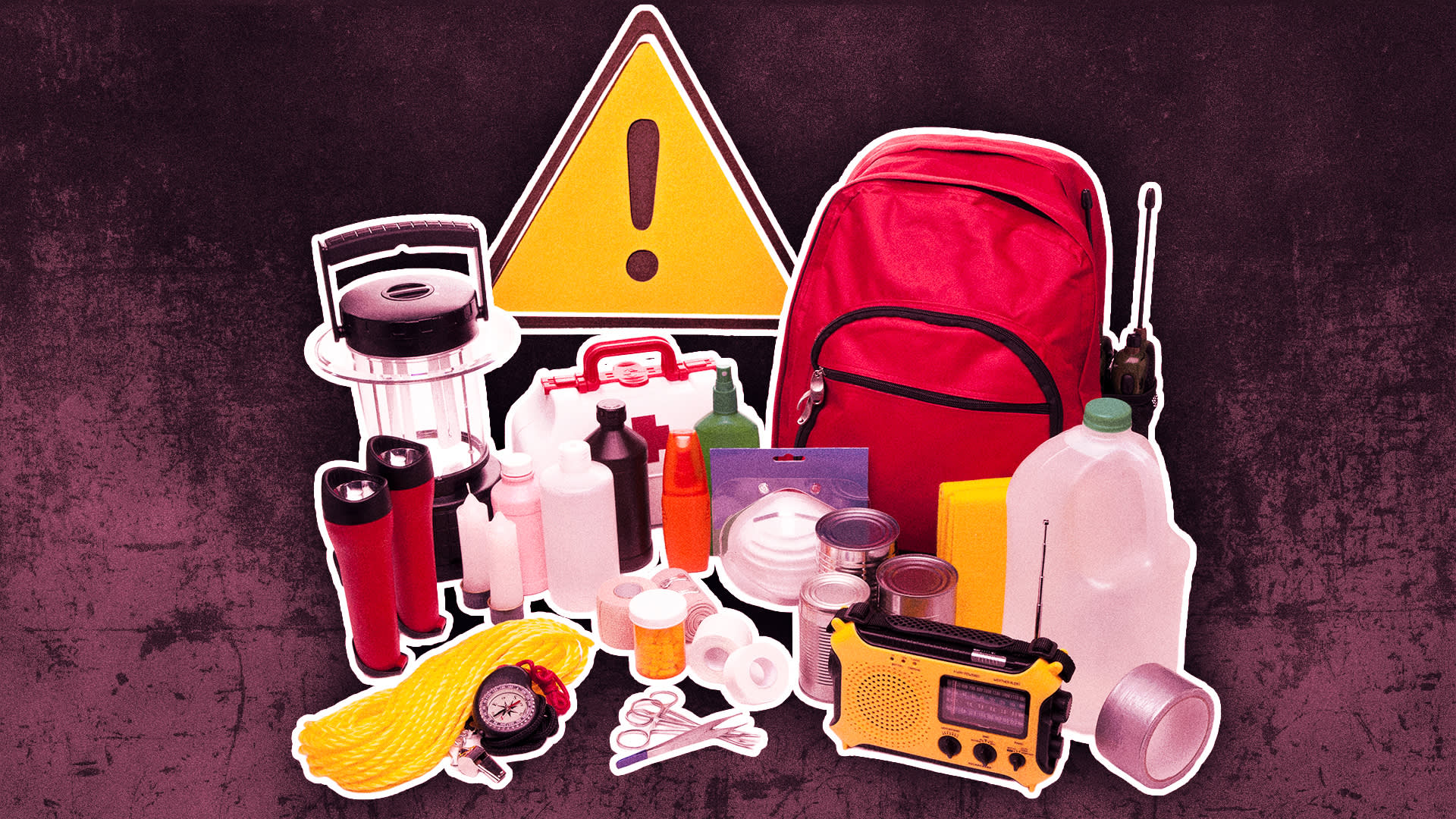
This heightened sense of vulnerability is accelerating what market observers refer to as the doomsday economy. Consumer interest in backup power, survival equipment, and off-grid communications typically surges following severe weather events, but digital vulnerabilities are now presenting an equally urgent catalyst for everyday preparedness spending.
The integration of automated systems and advanced computation into grid management has created a complex operational landscape. While automation improves distribution efficiency during normal conditions, it also introduces unfamiliar failure modes that complicate rapid recovery when unforeseen disruptions emerge.
Compounding these anxieties is the rapid evolution of artificial intelligence tools that could potentially be deployed in cyber operations. Observers point out that malicious actors now have access to automated reconnaissance and exploit-generation capabilities, raising the perceived likelihood of coordinated assaults on core utility networks.
The psychological shift from treating outages as temporary inconveniences to viewing them as structural risks is reshaping household and corporate planning. Emergency supply retailers and resilience consultants report expanding customer demographics, moving well beyond traditional survivalist groups to encompass suburban homeowners and regional businesses seeking operational continuity.
Economic forecasters note that sustained demand for decentralized backup solutions reflects a growing lack of confidence in centralized public infrastructure. When routine technical glitches trigger widespread operational halts, consumer skepticism toward institutional fail-safes tends to solidify into long-term defensive spending.
As reliance on uninterrupted electrification and network connectivity deepens, the boundary between everyday consumer goods and contingency equipment continues to blur. The expansion of preparedness retail underscores how modern technological dependency creates inherent commercial demand for personal risk mitigation.
Looking ahead, industry analysts suggest that consumer behavior will remain closely tied to the frequency and visibility of major infrastructure failures. Whether the current surge in emergency spending proves enduring will largely depend on how transparently operators address grid vulnerabilities and fortify essential systems against automated cyber threats.
Primary source: CNBC Top News. Newzly rewrites and structures source reporting for clarity; verify critical details at the original.