Thanksgiving Nor'easter Brings Coastal Flooding, Power Outages, and Flight Delays Across Eastern US
A major Thanksgiving nor'easter brought coastal flooding, power outages, and widespread flight delays to the eastern United States, putting 67 million residents under flood alerts and upending holiday travel.
In this piece
A powerful Thanksgiving storm brought heavy rain, high winds, and king tides to the eastern U.S., triggering coastal flooding and widespread flight delays. With…
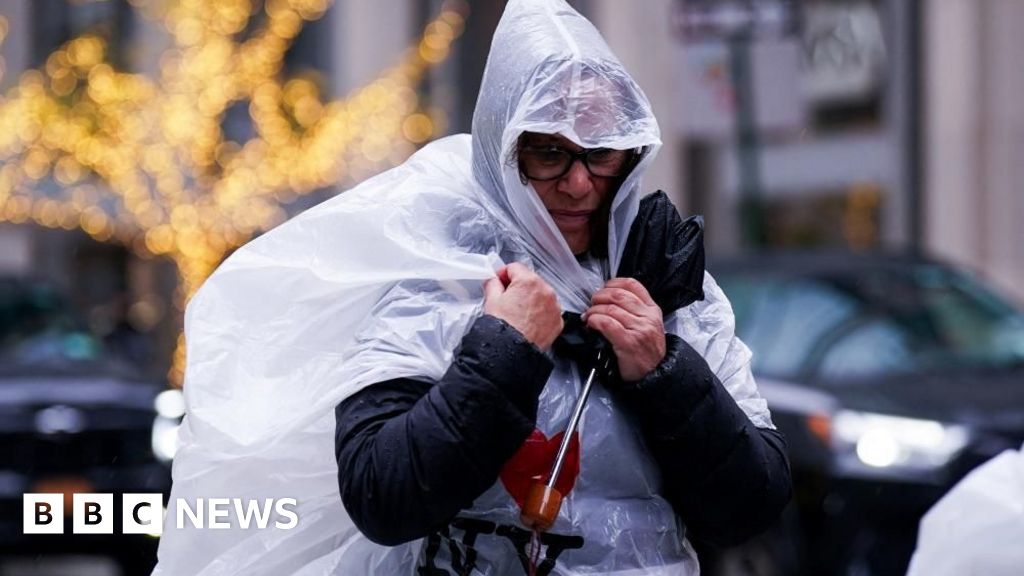
A powerful Thanksgiving storm brought significant coastal flooding, power outages, and widespread flight delays across the eastern United States, disrupting one of the busiest travel periods of the year. The system swept through regional transportation corridors with heavy rainfall and forceful winds, forcing travelers to contend with severe holiday disruptions. Local authorities and weather agencies warned that conditions were deteriorating rapidly along several vulnerable coastal zones.
Roughly 67 million people were placed under coastal flood alerts as the storm moved along the Atlantic seaboard. The severe weather combined heavy precipitation with king tides, pushing seawater into low-lying communities and inundating bayside neighborhoods. Officials highlighted that the confluence of astronomical tides and sustained onshore winds made coastal flooding particularly hazardous.
In New Jersey, floodwaters inundated streets along portions of the Jersey Shore, leaving roads submerged and complicating vehicular travel. Communities including Sea Isle City and Manasquan saw water spilling over roadways, prompting local advisories for residents and motorists to exercise caution. Emergency responders monitored street flooding closely as rising tides repeatedly threatened waterfront properties.
Further south and inland, the storm unleashed damaging wind gusts that downed tree limbs and damaged electrical infrastructure across Maryland and adjacent eastern states. Utility providers reported persistent power outages as repair teams worked to restore electrical service to affected households. High winds and saturated ground conditions continued to hamper restoration efforts in several communities throughout the holiday.
Aviation networks experienced mounting friction as airports across the nation logged extensive flight delays tied to the storm. Hubs managing high-volume holiday traffic had to alter operations due to reduced visibility, wind shear, and unfavorable weather tracks. Travelers faced long waits inside airport terminals as airlines adjusted departure boards to accommodate cascading delays.
The timing of the nor'easter arrived at an exceptionally precarious moment for holiday logistics, when millions of families typically travel by highway and air to celebrate Thanksgiving. With highways already handling peak traffic, localized street flooding and reduced visibility added friction to regional road travel. The combination of grounded schedules and waterlogged thoroughfares complicated traditional holiday reunions across multiple states.
Meteorologists classified the event as a classic Thanksgiving nor'easter, characterized by a low-pressure system funneling moisture and powerful winds against the eastern coastline. The addition of seasonal king tides intensified the surge, preventing water from draining efficiently between high-tide cycles. Forecasters noted that such conditions often transform ordinary rainfall events into prolonged coastal flooding threats.
Utility crews and local emergency personnel remained deployed across affected regions to clear debris, pump standing water, and stabilize power grids. Local municipalities reminded drivers not to navigate through flooded roadways, emphasizing the persistent danger of hidden washouts and stalled engines. In areas experiencing blackouts, service teams continued working into the evening to minimize the duration of holiday outages.
As the storm system gradually tracks outward, officials expect lingering travel delays and isolated high-water concerns to persist through the holiday weekend. Travelers are being urged to verify their flight statuses before heading to airports and to allow additional commuting time on eastern highways. Regional weather services will continue to assess flood levels until tides recede and normal transit patterns resume.
Primary source: Google News U.S.. Newzly rewrites and structures source reporting for clarity; verify critical details at the original.